






The Growing Trend of Dining Alone
Once considered unusual in a culture that cherishes community dining, eating out alone is now being embraced across India. From millennials and Gen Z seeking “me time” to professionals grabbing a meal between meetings, the solo diner is no longer an anomaly
but a growing demographic that restaurants cannot afford to ignore. This shift isn’t about loneliness; it's about liberation and self-care. In our fast-paced, increasingly urban lives, a meal alone offers a rare moment for introspection, a chance to savour food without distraction, or simply the convenience of eating on one’s own schedule. This trend reflects broader societal changes, including a greater emphasis on individualism and personal well-being.
The Awkward Table Problem
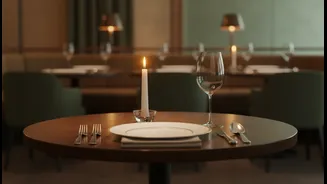
Despite the rise in solo dining, the experience can often be subpar. The most common complaint is being led to the least desirable seat in the house—a small, awkward table near the kitchen entrance, the restrooms, or an empty corner. This can make a diner feel like an afterthought or a logistical problem rather than a valued customer. The welcome itself can set a negative tone, with a host asking, “Just one?” in a way that feels dismissive rather than welcoming. These small slights accumulate, creating an environment that feels unwelcoming and reinforcing an outdated stigma that savvy restaurateurs are now working to dismantle.
More Than Just a Seat
So, what do solo diners truly want? First and foremost, value. Menus dominated by large, shareable plates can be alienating and expensive for a single person. Thoughtful establishments are addressing this by offering tasting menus for one, half-portions, or curated prix fixe options that provide variety and a fair price point. This allows a solo diner to have a complete culinary experience without feeling penalised for their party size. Beyond the menu, the atmosphere is crucial. They want to feel comfortable, not conspicuous. This doesn’t always mean solitude; it means having options. Many prefer the casual, social-but-not-forced vibe of bar seating or a counter overlooking an open kitchen. These spots provide a focal point and an opportunity for light interaction with staff if desired.
How Smart Restaurants Are Adapting
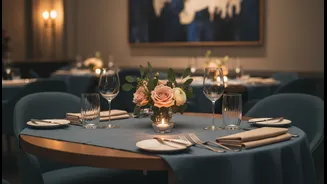
The hospitality industry in India is beginning to adapt to this cultural shift, viewing the solo diner not as an inconvenience but as a loyal potential customer. Some restaurants now deliberately design spaces to be solo-friendly, moving beyond the awkward corner table. This includes installing window-facing counters for people-watching, creating cozy nooks for privacy, and embracing communal tables where diners can feel part of a social atmosphere without pressure. Staff training is also evolving, focusing on attentiveness without being intrusive and reading social cues to know when a diner wants a chat versus when they prefer to be left with their thoughts. Other thoughtful touches include providing free Wi-Fi and charging stations, recognising that for some, a solo meal is also a chance to catch up on work.