



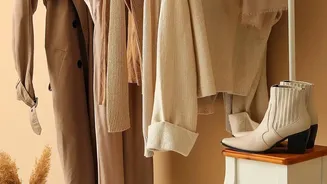
Step 1: Conduct a Wardrobe Reconnaissance
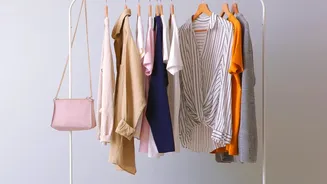
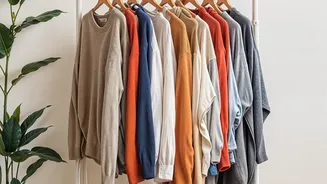
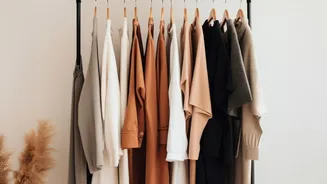
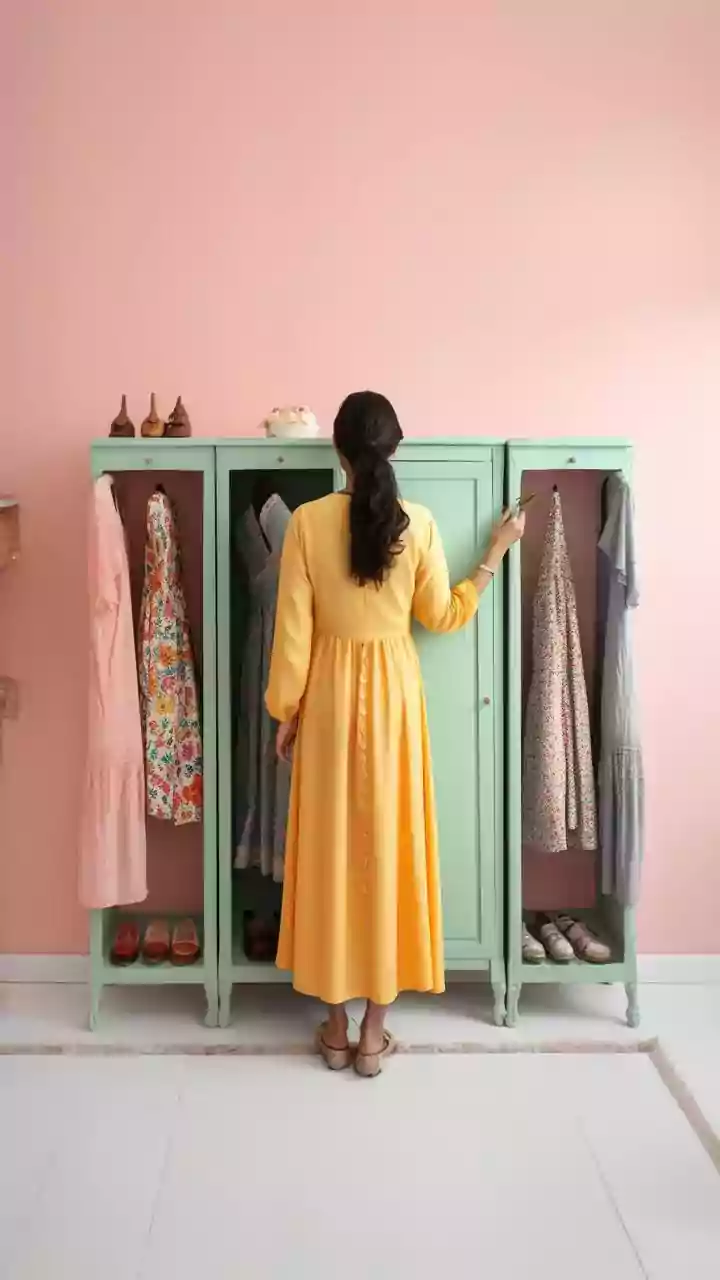
Before you can plan, you need to know what you’re working with. Take some time, ideally on a Sunday evening, to pull out your clothes. The goal isn’t a massive clear-out, but a rediscovery session. Group similar items together: all your trousers in one
pile, all your tops in another. This simple act of seeing everything at once can spark new ideas and remind you of forgotten gems hiding in the back of your closet. As you sort, identify the pieces you truly love and feel confident in. These will become the foundation of your weekly wardrobe.
Step 2: Consult Your Calendar and the Weather
Practicality is the key to successful outfit planning. Take a quick look at your calendar for the week ahead. Do you have an important client meeting, a casual Friday, or a dinner with friends? Note any specific dress requirements. Next, check the weather forecast. There’s no point planning to wear a beautiful linen shirt if a cold snap is predicted. Matching your outfits to your schedule and the weather eliminates last-minute panic and ensures you’re always appropriately and comfortably dressed.
Step 3: Build Around Your 'Hero' Pieces
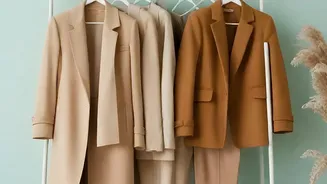
Every wardrobe has its heroes: that perfectly fitting pair of jeans, a versatile blazer, or a comfortable dress you always feel great in. Start by selecting a few of these core items for the week. A good strategy is to build your outfits around your bottoms. Choose two or three pairs of trousers or skirts that can be easily mixed and matched. From there, you can experiment with different tops and layers. This approach simplifies the process and ensures every outfit is built on a strong, reliable base.
Step 4: Use an Outfit Formula
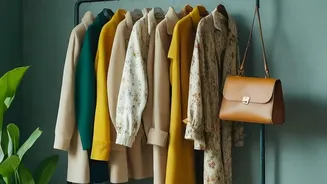
You don't need to reinvent the wheel every day. Rely on simple formulas to create varied looks. One popular method is the '3-to-1' rule: for every one bottom piece, pair it with three different tops. This instantly creates multiple outfits with minimal effort. Another approach is to create a cohesive colour palette for the week, choosing two or three neutral base colours and adding one accent shade. When your colours coordinate, almost any combination of items will look intentional and put-together.
Step 5: The Transformative Power of Accessories
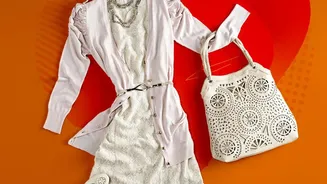
Accessories are the secret weapon to making old clothes feel new. The same simple dress can be transformed for different occasions by simply swapping your accessories. Pair it with trainers and a tote bag for a casual weekend look, then switch to heels and statement jewellery for an evening out. Belts can change a silhouette by cinching a loose dress or jacket, while a colourful scarf can add a pop of personality to a neutral outfit. Don’t underestimate how a simple change in shoes, a bag, or jewellery can completely redefine a look.
Step 6: Document Your Creations
Once you’ve assembled your outfits, take a quick photo of each one. This might feel a bit strange at first, but creating a personal lookbook on your phone is a game-changer for busy mornings. Instead of trying to remember the combination you planned, you can simply scroll through your photos and pick one. This visual record eliminates decision fatigue and makes getting dressed a quick, thoughtless process. Over time, you'll build a valuable catalogue of go-to looks that you know work for you.