




The Annual Chutney Challenge
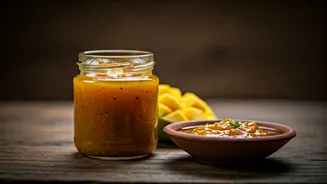
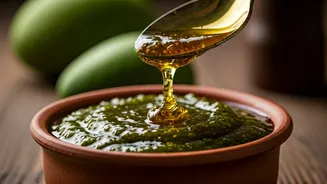
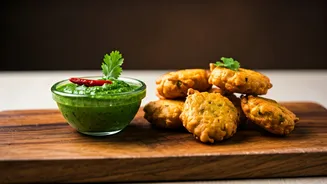
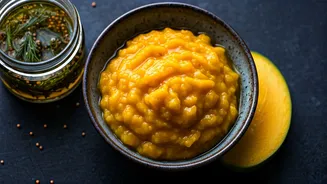
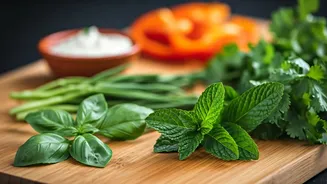
The arrival of raw green mangoes, or *kairi*, signals the true start of summer in every Indian kitchen. With it comes the ritual of making raw mango chutney. It seems simple: blend mango, mint, coriander, chillies, and maybe some jaggery or sugar. Yet,
the pursuit of perfection is complex. How do you get that perfect balance? Sometimes it’s too sharp, sometimes too flat. The salt is right, but the flavour feels one-dimensional. We tweak, we taste, we add a pinch of this and a dash of that, chasing a nostalgic flavour that’s often hard to pin down. This annual challenge is familiar to us all, but the solution is surprisingly simple and likely already in your fridge.
Your Achar Jar Holds the Key
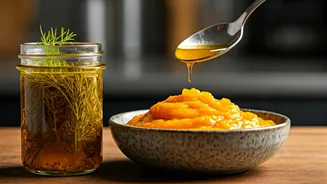
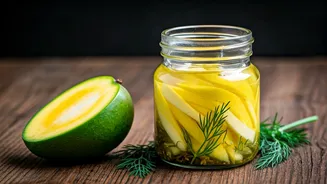
The secret ingredient is not an exotic spice or a fancy vinegar. It's the leftover brine, oil, and masala from your favourite jar of Indian pickle, or *achar*. That flavour-packed liquid at the bottom of a mango, lime, or mixed vegetable pickle jar—often ignored or thrown away—is a concentrated elixir of flavour. Think about what’s in it: high-quality mustard oil, salt, acidic agents, and a complex medley of spices like fenugreek (*methi*), fennel (*saunf*), nigella seeds (*kalonji*), and asafoetida (*hing*). These ingredients have been marinating and melding for months, creating a depth of flavour that you simply cannot replicate by adding the individual spices on their own.
The Science of Deliciousness
Why does this work so well? It's about 'complexity in a spoonful'. Raw mango chutney needs a sour element, which the mango provides, but it also needs a balanced, seasoned acidity to make it sing. Using just lime juice or plain vinegar adds sourness, but that's it. Pickle brine, on the other hand, brings a multi-layered flavour profile. The lactic acid from fermentation (in some pickles) or the infused vinegar provides a more rounded sourness. The salt is already dissolved and integrated. The spices have bloomed in the oil, releasing their essential compounds and creating a symphony of taste that hits all the right notes—salty, sour, pungent, and even a touch of bitter from the fenugreek. It’s an instant upgrade, adding a savoury, umami-rich character that makes your chutney taste like it has been slowly matured, even when it was made just minutes ago.
How to Put It Into Practice
Incorporating this is easy, but the key is to start small. Your pickle brine is potent, so you don’t want to overwhelm the fresh taste of the raw mango. Here’s a simple guide: 1. **Choose Your Brine:** The brine from a mango pickle (*aam ka achar*) or a mixed vegetable pickle works wonderfully as the flavours are complementary. Lime pickle brine is also excellent but can be more intensely sour. 2. **Start Blending:** Begin making your chutney as you normally would. Combine your chopped raw mango, fresh herbs like coriander and mint, green chillies, and garlic or ginger in a blender. 3. **Add the Magic:** Before you add any other salt, sugar, or souring agent, add one or two teaspoons of the pickle brine (make sure to get some of the oil and masala sediment). 4. **Blend and Taste:** Blend the mixture and then taste it. You will be surprised at how much flavour is already there. Now, you can adjust. Does it need more sweetness to balance the sour? Add a little jaggery. More heat? Add another chilli. You'll find you need much less salt than your usual recipe, if any at all.
A No-Waste Kitchen Hero
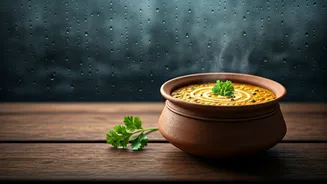
Beyond making a stellar chutney, using your pickle brine is a fantastic habit for a no-waste kitchen. That liquid gold is too precious to discard. Its usefulness doesn't end with chutney. You can use it to marinate paneer or chicken, drizzle it over a simple dal for a flavour explosion (*achaari dal*), whisk it into a yogurt dip, or use it as a dressing for a crunchy kachumber salad. It’s a sustainable practice that honours the ingredients and the time that went into making the pickle in the first place. Every drop is packed with history and flavour, ready to bring new life to your everyday meals.