






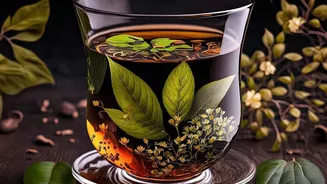
Why Nilgiri Tea is the Perfect Base
Before we dive into the brewing, let’s talk about the star of the show: Nilgiri tea. Hailing from the Blue Mountains of Southern India, Nilgiri is often called the ‘third-sibling’ to the more famous Darjeeling and Assam teas. What makes it truly special
for cold brewing is its unique flavour profile. It is wonderfully aromatic, with fragrant, floral, and fruity notes. Unlike some other black teas that can become bitter or astringent, Nilgiri has a naturally smooth, mellow taste. This quality is especially pronounced when cold brewed, resulting in a drink that is exceptionally refreshing and never clouds when chilled. Its balanced character makes it a perfect canvas for fruit infusions, complementing rather than competing with their natural sweetness.
The Magic of the Cold Brew Method
Why not just brew hot tea and pour it over ice? The magic of cold brewing lies in its gentle extraction process. When tea leaves are steeped in hot water, tannins are released more readily, which can lead to a bitter, astringent taste. Cold brewing, by contrast, involves steeping tea leaves in cold water for an extended period. This slow-and-low method extracts less caffeine and fewer tannins, resulting in a smoother, naturally sweeter, and less acidic beverage. Many people find that cold brewing reveals subtle flavour notes in the tea that are often missed with hot preparation. Scientific studies have also shown that cold brewing can preserve or even enhance the levels of certain antioxidants found in tea.
Your Step-by-Step Guide to Cold Brewing
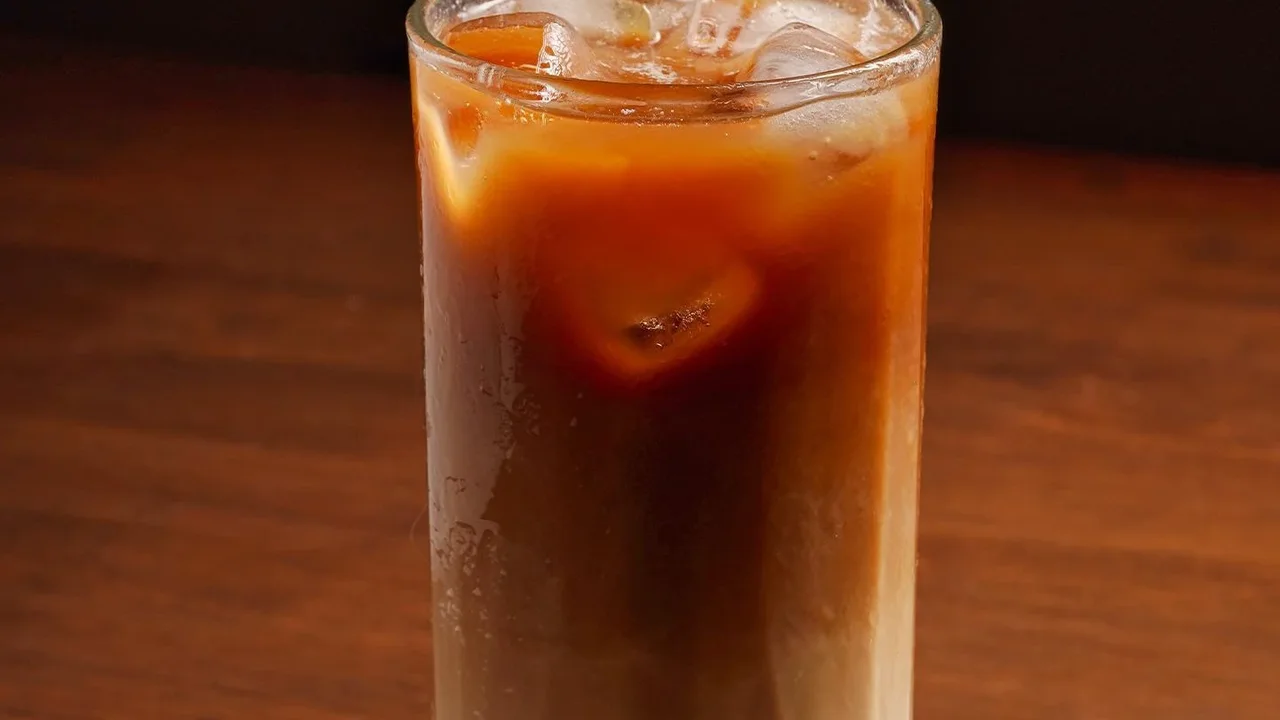
Making a batch of fruit-infused cold brew is remarkably simple. You don’t need any fancy equipment—a large glass jar or pitcher is perfect. 1. Measure Your Tea: A good starting ratio is about 5 to 8 grams of loose-leaf Nilgiri tea for every litre of water. This is slightly more leaf than you would use for a hot brew, as the cold water extracts flavour more slowly. 2. Add Cold Water: Use cold, filtered water for the cleanest taste. Pour it directly over the tea leaves in your container. 3. Add Your Fruits and Herbs: Now for the fun part. Add your chosen sliced or chopped fruits. Berries, citrus slices, and chopped stone fruits work wonderfully. You can also add sprigs of fresh herbs like mint for extra complexity. 4. Steep in the Refrigerator: Cover your container and place it in the refrigerator. Let it steep for at least 4-8 hours, or even overnight. Unlike hot tea, it's difficult to over-steep cold brew, but tasting it after a few hours will help you find your perfect strength. 5. Strain and Serve: Once steeped, simply strain the tea to remove the leaves and fruit pieces. Serve it over ice and enjoy. Your cold brew will keep well in the refrigerator for several days.
Perfect Fruit and Herb Pairings
Nilgiri tea's versatile profile pairs beautifully with a wide range of flavours. The goal is to enhance its natural fruitiness without needing to add sugar. Here are some combinations to get you started: Citrus & Stone Fruit: The bright notes of orange, lemon, or grapefruit slices blend perfectly with the sweet, mellow character of ripe peaches or apricots. Berries & Mint: A classic combination for a reason. The sweetness of strawberries or the tartness of raspberries, combined with a few sprigs of fresh mint, creates a deeply refreshing and aromatic drink. Tropical Flavours: For a more exotic twist, try infusing your Nilgiri tea with chunks of mango or pineapple. These fruits bring a lush sweetness that complements the floral notes of the tea. Cucumber & Thyme: For a more savoury, spa-like refreshment, combine thin slices of cucumber with a few sprigs of fresh thyme. It’s a surprisingly delicious and sophisticated pairing.