



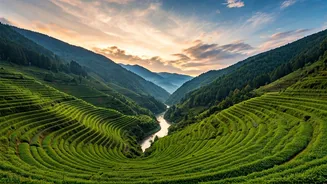


The Search for a Reset Button
More than ever, urban Indians are grappling with chronic stress and digital burnout. The relentless pace of city life, coupled with the after-effects of a pandemic that tethered us to our screens, has created a deep-seated need to disconnect. A forest
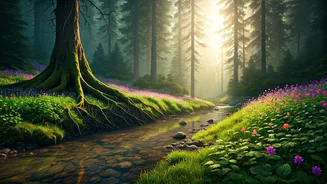
stay is no longer just a holiday; it's a form of therapy. It represents a conscious decision to trade screen time for green time, swapping the blue light of our devices for the dappled sunlight filtering through a canopy of trees. This desire for a mental ‘reset’ is a primary driver. Travellers are actively seeking environments where the only alerts come from birdsong and the only deadline is sunset. It’s a deliberate, almost defiant, move away from the 'always-on' culture towards a state of simple being.
The Science of 'Forest Bathing'
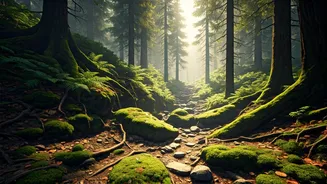
This trend has a name and a science to back it up: 'Shinrin-yoku', a Japanese term that translates to 'forest bathing'. It’s not about hiking or exercise, but simply immersing oneself in the atmosphere of the forest. Research has shown that this practice has tangible health benefits. Studies published in journals like *Environmental Health and Preventive Medicine* have found that spending time in a forest environment can reduce concentrations of the stress hormone cortisol, lower blood pressure, and improve concentration. Phytoncides, the aromatic compounds released by trees, have even been shown to boost the activity of our natural killer cells, which are crucial for the immune system. So, when people say they 'feel better' after a weekend in the woods, it's not just a feeling; it’s a physiological response.
A Shift in Travel Priorities
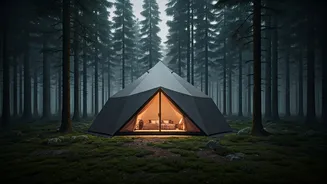
The checklist for the ideal Indian vacation is changing. For a growing number of travellers, the goal is no longer to cram as many sightseeing spots as possible into a weekend. Instead, the focus has shifted towards experiential, slow, and sustainable travel. People want authenticity over tourist traps. This has fuelled the rise of boutique eco-lodges, remote homestays, and wellness retreats nestled in places like the Western Ghats, the Himalayan foothills, or the dense forests of Madhya Pradesh. These establishments offer more than just a room; they offer an experience centred on nature, local culture, and quiet contemplation. This shift signifies a deeper change in values, where the luxury is not opulence, but solitude and a genuine connection to the natural world.
The Allure of the 'Green Aesthetic'
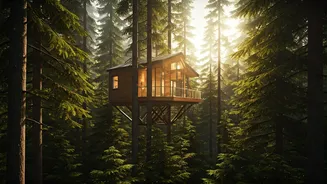
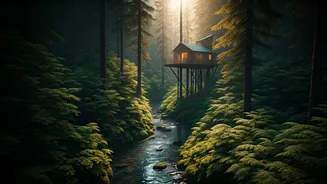
While disconnecting is a major goal, we can't ignore the role of our connected world in popularising the trend. Social media platforms, particularly Instagram, are filled with a specific 'green aesthetic': a cabin in the woods, a cup of tea on a misty morning, a path winding through ancient trees. This visual storytelling has made forest stays highly aspirational. It presents an idyllic version of life that contrasts sharply with the mundane reality of daily commutes and concrete jungles. For many, booking a forest stay is not just about the personal experience of peace but also about participating in and sharing a desirable lifestyle. It's a way to signal a commitment to wellness, mindfulness, and an appreciation for nature, turning a personal retreat into a public statement.