




The Problem: A Lumpy, Gloopy Batter
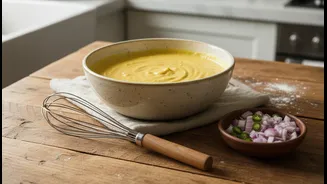
The foundation of a great chilla is a smooth batter, but it often ends up a lumpy mess. This usually happens when you add all the water at once, overwhelming the dry gram flour (besan). The flour clumps up defensively, and no amount of frantic whisking
seems to help. A lumpy batter will not spread evenly, leading to an unevenly cooked chilla with unpleasant pockets of dry flour. The Fix: Add water gradually and whisk continuously. Start with your besan and spices in a bowl. Pour in just a small amount of water—about half the total you plan to use—and whisk to form a thick, smooth paste. This initial paste is key to breaking up any potential lumps. Once you have a smooth paste, slowly stream in the rest of the water while continuing to whisk until you reach a flowing, but not watery, consistency. For extra assurance, you can sieve the besan before you start.
The Problem: The Chilla Sticks to the Pan
There’s nothing more frustrating than pouring a perfect circle of batter only to have it weld itself to the pan. This kitchen nightmare is usually caused by three things: incorrect pan temperature, the wrong type of pan, or insufficient oiling. Pouring batter onto a cold pan is a primary cause of sticking. Similarly, if the pan is too hot, the chilla will scorch on the outside before it's cooked enough to be flipped, causing it to tear.
The Fix: Use a well-seasoned or non-stick pan and get the temperature just right. Heat your tawa or pan over medium heat. To check if it's ready, sprinkle a few drops of water; if they sizzle and evaporate immediately, the pan is perfectly heated. Before pouring the batter for your first chilla, lightly grease the entire surface with oil. Use a spatula to spread the oil evenly, then pour your batter. You only need a thin layer of oil to create that crucial non-stick barrier.
The Problem: It Breaks While Flipping
You’ve navigated the batter and the pan, but the chilla disintegrates at the final hurdle: the flip. This can happen for several reasons. The batter might be too thin and watery, lacking the structure to hold together. Conversely, adding too many chunky vegetables can disrupt the batter's integrity. Most often, however, the culprit is impatience—trying to flip the chilla before it’s ready.
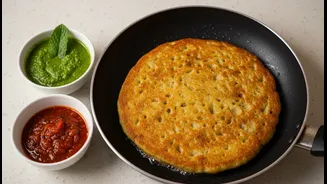
The Fix: Check for visual cues before you flip. A chilla is ready to be turned when the top surface looks cooked and matte, and the edges start to lift away from the pan on their own. Gently nudge an edge with your spatula; if it lifts cleanly, you're good to go. Also, ensure your vegetables are very finely chopped so they integrate into the batter rather than creating weak spots. Cooking on a steady medium-low flame ensures the chilla cooks through evenly, making it sturdy enough to withstand the flip.
The Problem: Soggy Centre and Undercooked Taste
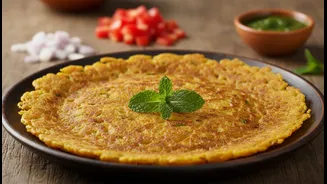
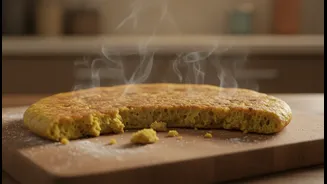
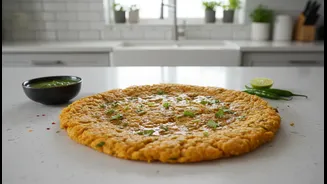
A perfect chilla should be cooked through, with a slightly crisp exterior and a soft interior. A soggy, pasty centre is a sign that something went wrong with the heat management or batter thickness. If the flame is too high, the outside will brown instantly, tricking you into thinking it's done while the inside remains raw. A batter that is too thick will also struggle to cook through before the outside burns.
The Fix: Cook low and slow, and spread it thin. Always cook chillas on a low to medium flame. This gives the batter enough time to cook evenly from the inside out. When you pour the batter, use the back of your ladle to spread it into a thin, even circle. A thinner chilla will cook faster and more uniformly, eliminating any risk of a gooey centre. Covering the pan with a lid for the first minute can also help trap steam and cook the top surface more effectively.
The Problem: Bland and Boring Flavour
Besan on its own is nutty but can be quite plain. A bland chilla is simply a missed opportunity for flavour. Often, home cooks are too timid with their seasoning, resulting in a pancake that's nutritionally sound but culinarily unexciting.
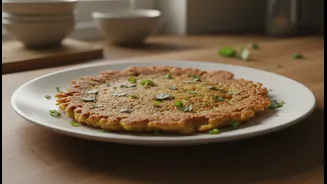
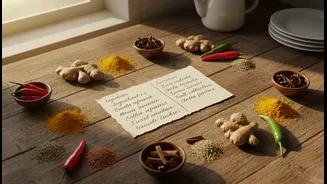
The Fix: Be generous with herbs and spices. Don't just rely on salt. A classic chilla benefits greatly from a mix of spices. Turmeric provides colour, while red chilli powder adds heat. A key ingredient is ajwain (carom seeds), which not only adds a distinctive, thyme-like flavour but also aids in digesting the besan. Finely chopped onions, tomatoes, fresh coriander, ginger, and green chillies are not just optional extras; they are essential for adding texture, moisture, and layers of flavour. Don't be afraid to taste and adjust your batter before you start cooking.
The Problem: Not Crispy Enough
While some prefer a soft, omelette-like chilla, many crave that satisfyingly crisp edge. If your chillas are consistently soft and floppy, it's likely due to the batter consistency or not using enough oil. A thicker batter will naturally produce a softer, more pancake-like result.
The Fix: Thin the batter and add a secret ingredient. For a crispier chilla, the batter should be slightly thinner than the standard consistency, allowing you to spread it more like a crepe. Adding a bit more oil around the edges while it cooks will also help it fry up nicely and become crisp. For a guaranteed crunch, here’s a pro tip: add a tablespoon or two of sooji (semolina) or rice flour to your dry besan before making the batter. This little addition provides extra structure and results in a wonderfully crispy texture.