




The Great Un-Baking
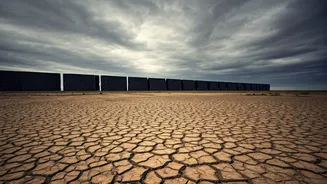
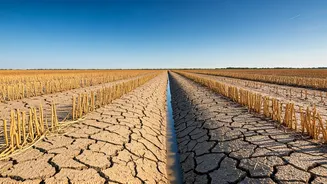
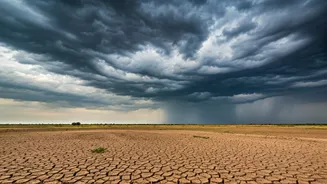
For weeks, North India has felt like a furnace. Cities across the region have been grappling with a relentless heatwave, with temperatures persistently hovering in the high 30s and even low 40s Celsius. Life slowed to the pace of the lethargic ceiling
fan, and the outdoors became a no-go zone for much of the day. While parts of Haryana and Rajasthan have seen temperatures dip below normal recently, offering some respite, areas like Eastern Uttar Pradesh have continued to endure oppressive heatwave conditions. [17, 26] This prolonged period of intense heat set the stage for a collective, desperate watch for any sign of clouds and the promise of rain.
A Pre-Monsoon Tease
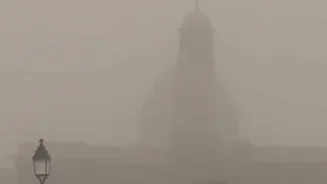
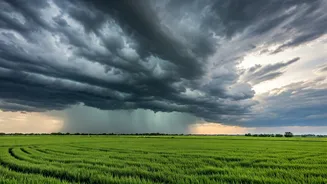
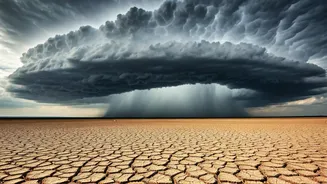
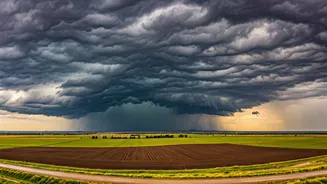
Over the past few days, that promise has been partially fulfilled. Delhi and the surrounding National Capital Region (NCR) have witnessed dramatic dust storms, gusty winds, and scattered showers. [7, 16] While these downpours have been a welcome sight, bringing down temperatures and washing the dust from the air, the India Meteorological Department (IMD) has clarified that this is pre-monsoon activity. [12] This is the atmosphere's way of warming up, marked by high humidity, strong winds, and sudden, often short-lived, spells of rain. [12] It's relief, but it's not the main event, leaving many feeling the sticky discomfort that comes before the real deluge.
So, Where Is the Monsoon?
The Southwest Monsoon is on the move, but it's taking its time to reach the northern plains. It has made significant progress, advancing into Mumbai, and covering parts of Gujarat, Madhya Pradesh, and Chhattisgarh. [21, 22] According to the IMD, conditions are favourable for it to move into parts of Uttar Pradesh in the coming days. [21] For Delhi, the normal onset date is around June 27. [6, 11] However, some meteorologists suggest a potential delay, with the monsoon possibly arriving in the first week of July if its progress slows. [11, 15] This annual suspense keeps millions checking their weather apps, eagerly tracking the northern limit of the monsoon as it inches across the map.
A Preview of the Chaos
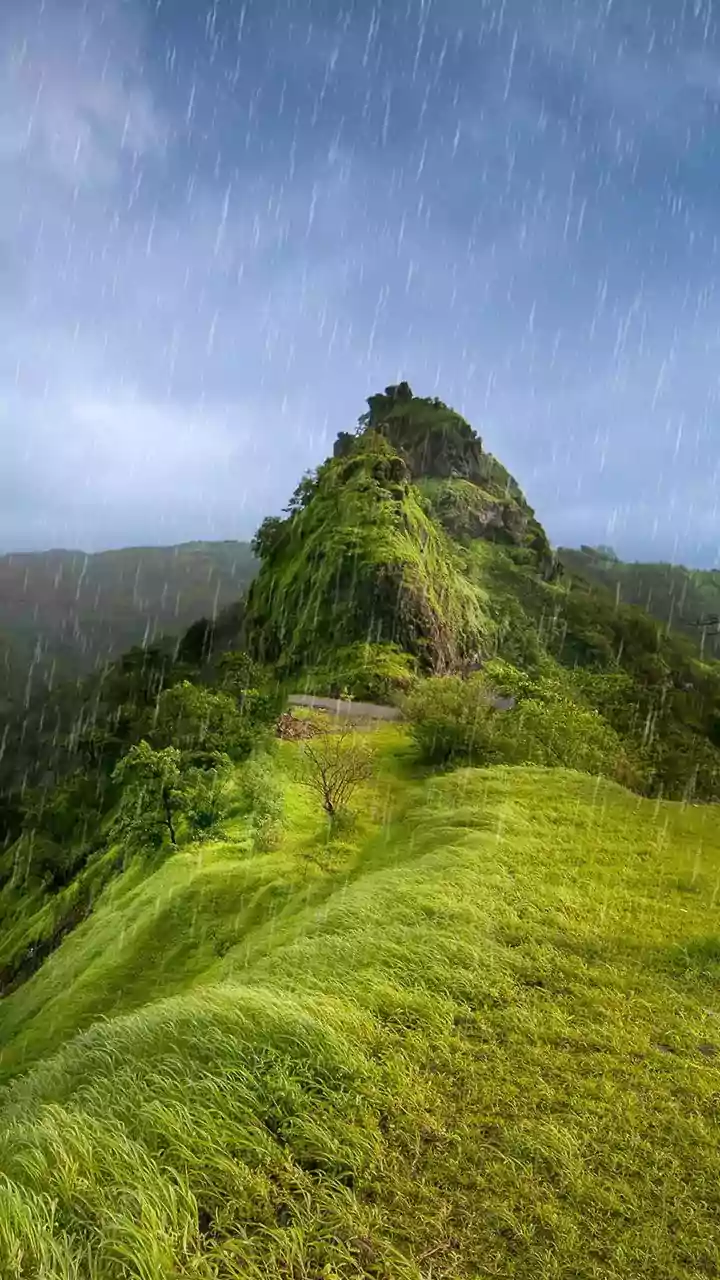
As North India waits, other parts of the country are offering a stark preview of the monsoon's dual nature. In Mumbai, the monsoon's arrival brought heavy rains that led to widespread waterlogging in low-lying areas, causing traffic snarls and disrupting local train services. [22, 23] Similarly, heavy downpours in Kolkata inundated roads, snarled peak-hour traffic, and even led to the collapse of a temporary bridge in Darjeeling district due to swollen rivers. [18, 19] These scenes are an annual reminder that the relief of the monsoon is often accompanied by a severe test of urban infrastructure, a test that cities in the north are now bracing for.
The Online Weather Report
The conversation isn't just happening at bus stops and chai stalls; it's exploding online. Social media feeds are a real-time documentary of the region's weather woes and joys. The first sight of dark clouds prompts a flurry of posts. The first drops are met with videos celebrating the smell of wet earth, or 'petrichor'. This is quickly followed by memes about the intense humidity and, inevitably, photos and complaints of waterlogged streets and traffic jams from the first heavy shower. This digital chatter captures the collective experience perfectly—a mix of poetic appreciation for nature and pragmatic frustration with its consequences.