



The Rise of the All-Day Vibe
The Indian café market is booming, with a projected compound annual growth rate (CAGR) of 8.92% between 2026 and 2031. [31] This surge is powered by a new breed of 'premium cafes' that are much more than just places to grab a quick coffee. Brands like
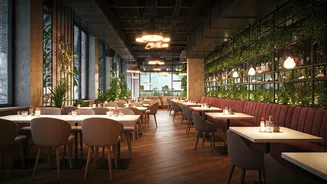
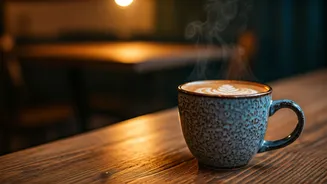
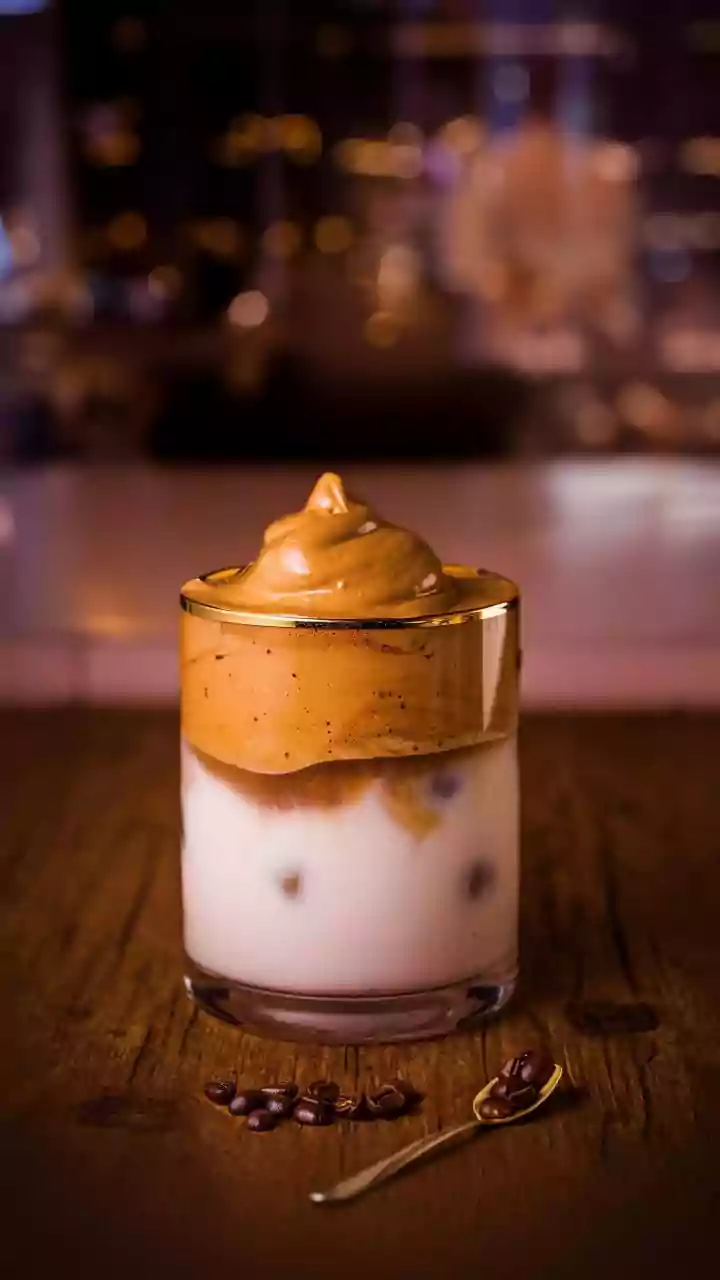
Third Wave Coffee, Blue Tokai, and a host of independent outlets are redefining the experience. [31] They offer artisanal coffee, globally inspired food menus, and thoughtfully designed, 'Instagrammable' interiors. [25] This combination has turned them into 'third places' — comfortable, versatile spaces that are neither home nor office, catering to a young, urban demographic. [7, 19] Here, a customer can have a business meeting in the morning, work remotely through the afternoon, and have a casual dinner with friends in the evening, all without changing locations. [25, 32] This flexibility is a core part of their appeal.
A New Definition of 'Premium'
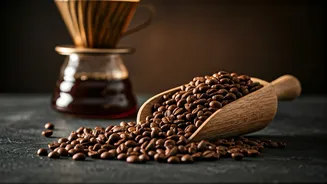
For millennials and Gen Z, who make up a significant portion of consumers, the definition of a 'premium' experience is evolving. [7, 29] It’s less about white tablecloths and rigid etiquette and more about authenticity, experience, and aesthetics. [25] The 'third wave coffee movement' has been a major driver, shifting focus to the origin of the beans, artisanal brewing methods, and the story behind the cup. [11, 14] This emphasis on craftsmanship and quality ingredients extends to the food menu, which often features healthy, plant-based, and globally-inspired options. [4, 12] These cafes offer a sophisticated experience that feels personal and modern, justifying a price point that, while lower than fine dining, is significantly higher than older coffee chains.
The Formal Dining Dilemma
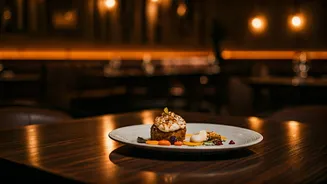
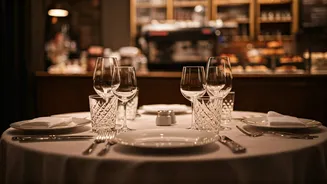
In contrast, traditional formal restaurants operate with more constraints. Their high operational costs, from premium real estate to larger, highly trained staffs, necessitate higher menu prices. [21] While some reports indicate growth in luxury dining driven by high-income earners, the broader fine dining segment has reportedly been shrinking since as far back as 2015, with slower growth than other hospitality sectors. [13, 16, 27] Their business model often relies on specific meal times (lunch and dinner) and the need for a 'special occasion' to draw customers. [8] One leading chef noted that many Indian diners are most comfortable spending around ₹1700 per person for a good meal, a price point that makes sustaining a true fine dining concept challenging. [15] This makes them vulnerable to competition from premium cafes that offer a more accessible, flexible, and frequently usable social space.
Driven by Lifestyle Shifts
The popularity of premium cafes is deeply connected to broader shifts in Indian urban life. The rise of remote work and freelancing has created a demand for comfortable workspaces outside the home. [7, 25] Cafes have stepped in to fill this need, offering Wi-Fi, power outlets, and a conducive environment for productivity. [19] Furthermore, as young professionals move to new cities for work, these establishments become crucial social hubs for meeting people and building community. [7, 30] Dining out is no longer reserved just for major celebrations; it has become a regular part of social life for the urban youth. [22] Premium cafes perfectly capture this shift towards more frequent, casual, yet high-quality socialising.
How Fine Dining Is Adapting
Formal dining is by no means disappearing, but it is evolving. To compete, many high-end restaurants are focusing on creating unique, experience-led events that a cafe cannot replicate. [12] This includes chef-driven tasting menus, pop-ups with international culinary stars, and a focus on storytelling where the ambiance and interactive elements are as important as the food. [12, 20] Some restaurateurs are also creating 'fun fine dine' concepts that offer exemplary, personalised service in a less stuffy environment. [15] Others are blurring the lines, with all-day establishments that transform from a casual cafe or deli by day into a chic bar or restaurant by night, maximizing the use of their real estate and appealing to different crowds. [24] The key is differentiation, offering an unparalleled experience that justifies the price and the sense of occasion.