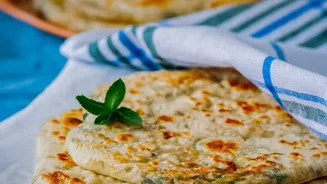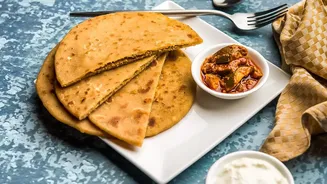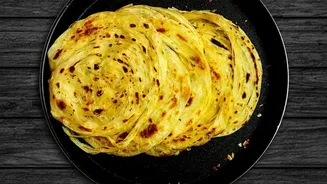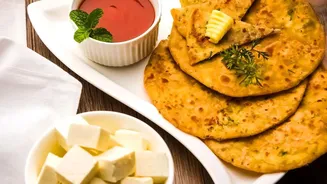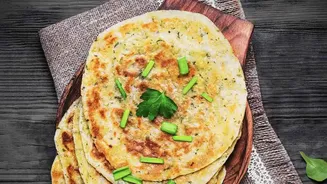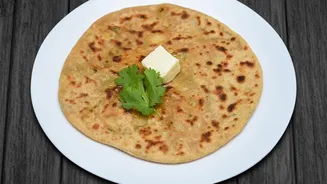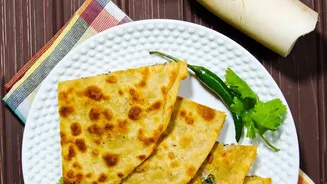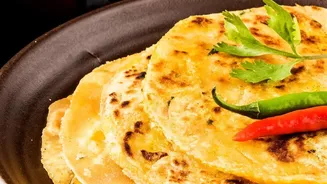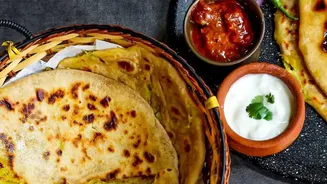

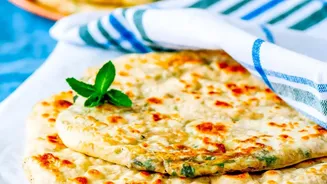
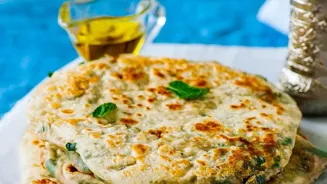
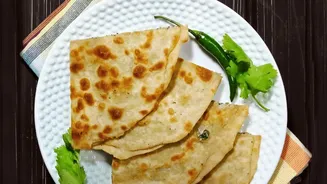
There’s a unique comfort in a warm, homemade paratha. This easy recipe offers a wholesome twist, bringing together the earthy goodness of jowar (sorghum) and the sharp, fresh bite of mooli (radish) for a truly satisfying, gluten-free flatbread.
A Nutritious Twist on a Classic
Parathas
are a beloved staple in Indian households, perfect for breakfast, lunch, or a light dinner. While traditionally made with wheat flour, this recipe swaps it for jowar, or sorghum flour, creating a naturally gluten-free option that doesn’t compromise on taste or texture. The addition of grated radish infuses the dough with moisture and a peppery flavour that beautifully complements the mildly sweet notes of the jowar. It’s a simple yet brilliant combination that elevates the humble paratha into a powerhouse of nutrition, ideal for health-conscious foodies and anyone looking to explore the versatility of millets. This jowar mooli paratha is not just food; it’s a celebration of traditional ingredients in a modern, easy-to-make format.
The Power Duo: Jowar and Radish
Sorghum, or jowar, is celebrated for its impressive health benefits. It is a rich source of dietary fibre, which aids digestion and promotes a feeling of fullness, making it excellent for weight management. Jowar is also packed with essential minerals like iron, magnesium, and phosphorus, and antioxidants that help combat oxidative stress. Radish, or mooli, is no slouch either. It's known to support detoxification and improve digestion. Together, these two ingredients create a paratha that is not only delicious but also incredibly beneficial for your overall well-being, supporting everything from gut health to blood sugar balance.
Your Ingredient Checklist
This recipe requires just a few common kitchen ingredients. For about 8-10 parathas, you will need: 1.5 cups of jowar (sorghum) flour, 1 cup of finely grated radish, and about 1 cup of hot water for kneading. For flavour, gather 1-2 finely chopped green chillies, 1 teaspoon of grated ginger, 1 teaspoon of carom seeds (ajwain), 1 teaspoon of crushed coriander seeds, ½ teaspoon of turmeric powder, and salt to taste. You will also need a few tablespoons of oil or ghee for cooking the parathas. Some recipes also suggest adding chopped radish leaves for extra nutrients and flavour if you have them.
Crafting the Parathas: Step by Step
First, prepare the radish. After grating it, sprinkle a little salt over it and set it aside for about 10-15 minutes. This will draw out the excess water. Squeeze the grated radish firmly to remove all the liquid; this step is crucial to prevent the dough from becoming too sticky. Now, in a large mixing bowl, combine the jowar flour, the squeezed radish, green chillies, ginger, and all the dry spices. Mix everything well. Gradually add hot water to the mixture, using a spoon at first, and then your hands as it cools, to knead it into a soft, pliable dough. The hot water helps to make the gluten-free flour more workable. Once the dough is smooth, cover it and let it rest for 15-20 minutes.
Tips for Perfect, Soft Parathas
Working with jowar flour can be tricky as it lacks gluten. The key to soft, non-breaking parathas is in the technique. Knead the dough well with hot water until it is smooth and soft. When it's time to roll, don’t press too hard. A gentle hand is essential. For beginners, the easiest way to roll these parathas is by placing a dough ball between two sheets of parchment paper or a plastic sheet and rolling it out evenly. This prevents the dough from sticking and cracking at the edges. Cook the parathas on a medium-hot tawa. Wait for small bubbles to appear before flipping, and press gently with a spatula to encourage puffing. Cook until golden-brown spots appear on both sides, and serve immediately for the best texture.