


As urban Indian homes become more compact, making every square foot count is essential. A growing trend sees homeowners looking up, using decorated bookshelves to add storage, personality, and a sense of height to even the smallest of spaces.
The Power of Going Vertical
In the world
of interior design for small spaces, the golden rule is simple: when you can't build out, build up. Using vertical space is a clever trick to make a room feel taller and more open. Tall, narrow bookshelves draw the eye upward, creating an illusion of height and grandeur that counteracts the cramped feeling of a small floor plan. This approach is particularly effective in the compact 1BHK and 2BHK apartments common in Indian cities, where floor space is at a premium. By moving storage and display from the floor to the walls, you reclaim valuable living area and reduce visual clutter, making the entire home feel more breathable and organized.
Choosing the Right Structure
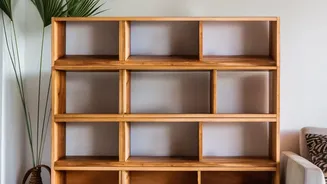
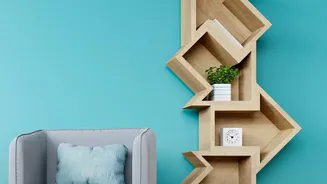
Not all bookshelves are created equal, and the right choice depends on your space and style. Floor-to-ceiling units offer maximum storage and create a dramatic, library-like feature wall. For those with less room, ladder or leaning bookshelves provide several tiers of storage while taking up minimal floor area, making them an affordable and lightweight option. Floating shelves are another excellent choice, offering a zero-footprint solution that feels modern and airy. If you have an awkward, unused corner, a purpose-built corner bookshelf can turn dead space into a functional and attractive feature. In studio apartments, a tall, open-backed bookcase can even act as a stylish room divider, separating living and sleeping zones without blocking light.
The Art of 'Shelf-Care'
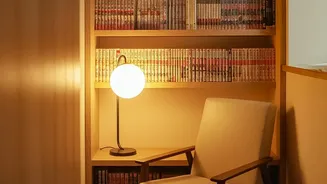
A decorated bookshelf is more than just storage; it's a portrait of your personality. The key to successful styling is balance and curation. Avoid filling every inch of space. A good rule of thumb is to keep shelves about two-thirds full, leaving 'breathing room' to prevent a cluttered look. Vary the orientation of your books by stacking some horizontally and standing others vertically. These horizontal stacks can then serve as a pedestal for a small decorative object, a photo frame, or a plant. Grouping items in odd numbers, particularly threes, is a classic designer trick that creates visual harmony. By playing with height, texture, and negative space, you transform a simple storage unit into a curated display.
More Than Just Books
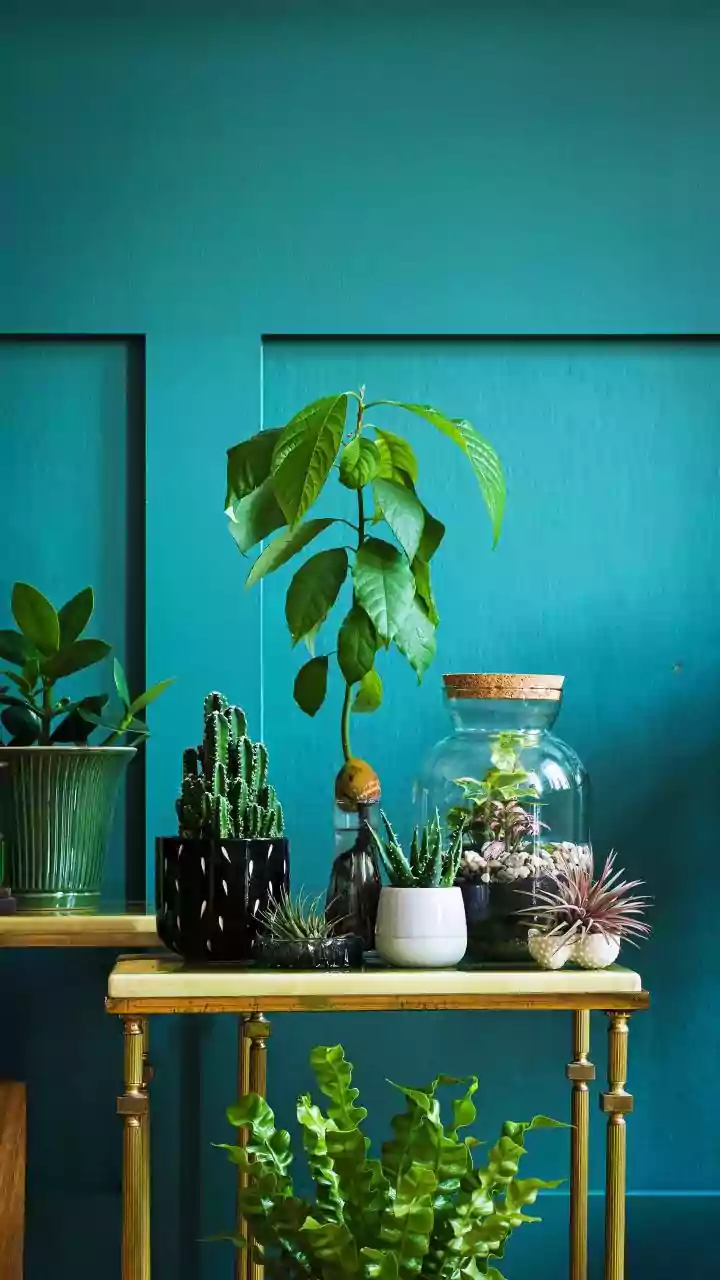
Today's bookshelves are versatile stages for your favourite things. Interspersing books with other objects adds layers of interest and personality. Introduce natural textures with small potted plants like succulents or trailing ivy, which soften the hard lines of the shelf. Incorporate metallic elements for a touch of warmth and reflection; small brass statues, bowls, or candle holders work beautifully. This is an ideal way to integrate traditional Indian decor, such as handcrafted wooden figures or brass heirlooms, into a contemporary setup. By mixing books with art, photos, and meaningful objects, the bookshelf becomes a dynamic focal point that tells your unique story.
Harmonizing with Your Home
To ensure your styled bookshelf complements your home, pick a consistent colour palette. Choose two or three core colours that are already present in the room and repeat them across the shelf through book spines, pots, and decorative items. This creates a cohesive look that feels intentional rather than chaotic. Natural wood tones like sheesham or mango wood add warmth and are a popular choice in Indian homes. You can also soften the look by draping a small, handwoven textile or an embroidered runner over a shelf, adding a layer of texture and a nod to Indian craftsmanship. Ultimately, the goal is to create a feature that feels like a natural extension of your home's overall aesthetic.