







Start Your Research Early
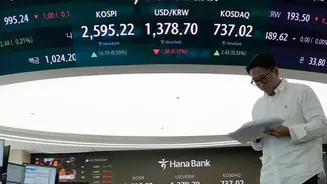
Before you even pack your bags, begin tracking the exchange rate between the Indian Rupee (INR) and the currency of your destination. Rates fluctuate daily based on economic and political factors. Use reliable websites or currency apps to monitor trends.
This will give you a baseline understanding of what your money is worth and help you spot a favourable time to exchange currency. Establishing a travel budget is crucial, but it's wise to build in a buffer of 5-10% to account for any sudden dips in the rupee's value. This prevents you from having to cut back on experiences if the exchange rate moves against you during your trip.
Choose Your Payment Tools Wisely
Relying on a single payment method is risky. The smartest approach is a mix of cash, credit cards, and a dedicated travel card. For credit and debit cards, the most important thing to check is the foreign transaction or forex markup fee. This fee, often around 2-3.5% of the transaction value, is charged by Indian banks on every international swipe and can add up significantly. Many banks now offer zero forex markup credit cards, which are an excellent choice for international travel as they can save you a substantial amount. Another popular option for Indian travellers is a multi-currency forex card. These prepaid cards allow you to load multiple foreign currencies at a locked-in exchange rate before you travel, protecting you from rate fluctuations during your trip.
Beware the Dynamic Currency Conversion Trap
When paying with your card abroad, you will often be asked if you want to pay in your home currency (INR) or the local currency. It might seem convenient to see the cost in rupees, but this is a common trap known as Dynamic Currency Conversion (DCC). If you choose to pay in INR, the merchant's bank performs the conversion, almost always at an unfavourable exchange rate and with higher fees. To avoid these extra costs, you should always, without exception, choose to pay in the local currency. Let your own bank handle the conversion; even with a standard forex fee, you will get a much better rate.
Strategic Cash Withdrawal
While cards are widely accepted, it's essential to have some local cash for smaller shops, taxis, or tips. However, avoid exchanging large sums of money at airport kiosks or hotels, as they are notorious for offering poor rates and high fees. The best way to get cash is usually by withdrawing it from a local bank's ATM at your destination. To minimise fees, it's better to make fewer, larger withdrawals rather than multiple small ones. Before you travel, check with your bank if they have partnerships with any international banks, as using a partner ATM can help you avoid some withdrawal charges. And just as with card payments, if the ATM offers to perform a currency conversion for you, decline it and choose to be charged in the local currency.
Leverage Technology for Smarter Spending
Your smartphone can be your best financial tool while traveling. Download a reliable currency conversion app to check real-time exchange rates before making a purchase. Some apps even allow you to set alerts for when a currency pair reaches a desired rate, helping you decide the best time to exchange money or make large purchases. If you're using a forex card or a modern digital bank, their apps often provide instant spending notifications and categorize your expenses, making it easy to track your budget in both the local and your home currency. This real-time oversight ensures you stay within your planned budget and are always aware of how much you're truly spending.