

India's Widespread Protein Gap
Despite a rich culinary tradition that includes lentils, legumes, and dairy, a surprising majority of the population isn't getting enough protein. Several reports and surveys have highlighted this gap, with some indicating that over 70% of Indians consume
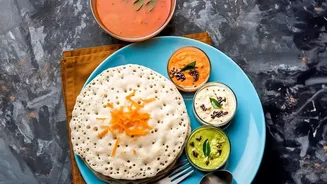
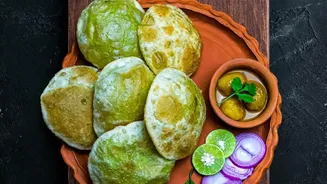
less protein than the recommended daily amount. The issue often isn't a lack of protein sources, but the structure of the average meal. Many Indian diets are carbohydrate-centric, with staples like rice and wheat forming the bulk of the plate, while protein-rich dishes like dal or sabzi are served as smaller accompaniments. This imbalance leads to a daily deficit that, over time, can affect everything from energy levels and immunity to muscle health and child development.
What is the New Nutrition Focus?
The change is being driven by a two-pronged approach: government action and public awareness campaigns. In September 2026, the government is launching its month-long 'Rashtriya Poshan Maah' (National Nutrition Month), with a specific theme of promoting dietary diversity and protein-rich foods through its vast network of Anganwadi centres. This initiative aims to educate communities on practical ways to add affordable protein from both plant and animal sources to their daily meals. This official push complements long-running advocacy from groups like the 'Right To Protein' campaign, which has worked for years to debunk myths and improve protein literacy through initiatives like a dedicated 'Protein Day' on February 27. The combined message is clear: it's time to move protein from an afterthought to a priority on the Indian plate.
Thinking Beyond Dal and Paneer
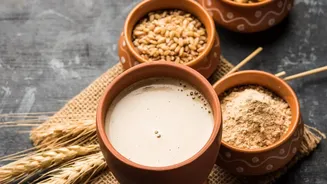
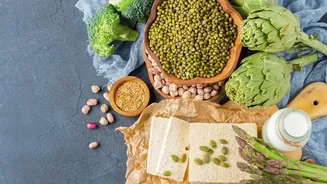
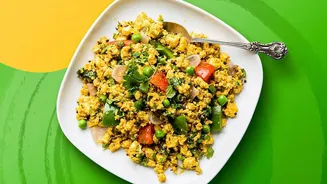
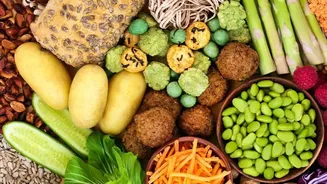
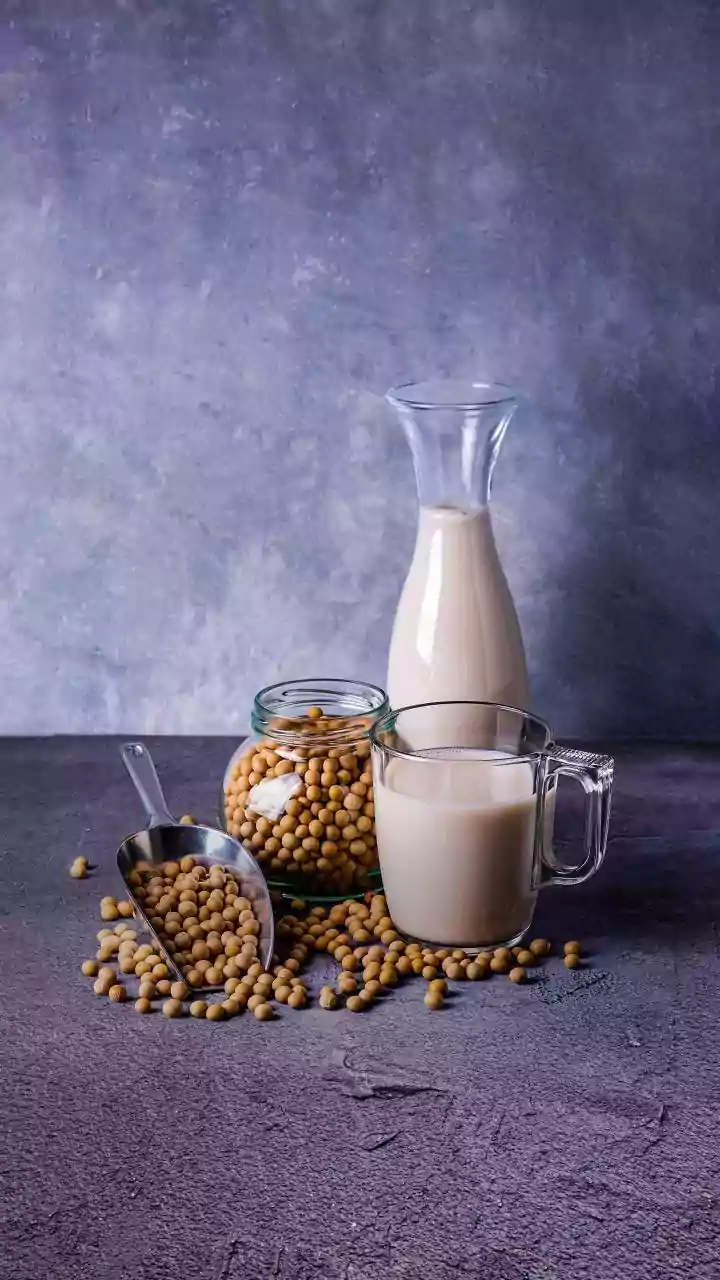
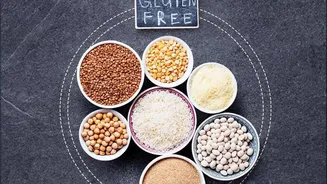
The new focus is not about abandoning traditional foods but enhancing them. Nutritionists and public health bodies are encouraging families to diversify their protein sources. While dal is a fantastic staple, relying on it alone may not be enough. The conversation is shifting to include a wider variety of foods throughout the day. This means consciously incorporating items like eggs, milk, yogurt, and paneer, as well as exploring other powerful plant-based sources. Millets, which are gaining popularity for their robust nutritional profile, along with nuts, seeds, and soy products like tofu, offer excellent ways to boost protein intake without drastic dietary changes. The goal is to build a plate that is more balanced, where protein holds as much importance as carbohydrates.
It's About Quality and Timing, Not Just Quantity
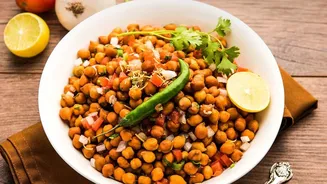
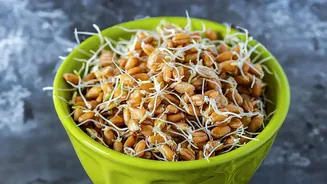
Perhaps the biggest shift in thinking is the move from simply counting grams of protein to understanding its quality and timing. The Indian Council of Medical Research (ICMR) notes that the protein in cereals, which form a large part of the Indian diet, is not as easily absorbed by the body as protein from sources like dairy or eggs. Therefore, getting protein from diverse sources is crucial. Another key insight is about protein distribution. Many people consume most of their protein during dinner, with very little at breakfast or lunch. Research suggests it's more effective to spread protein intake evenly across all meals. This helps the body to better repair and build tissue throughout the day. A breakfast with sprouts or a glass of milk, a mid-day snack of roasted chana, and a balanced portion of dal or curd with lunch and dinner can make a significant difference.
The Long-Term Impact on Family Health
This renewed focus on protein has profound implications for family well-being. For children, adequate protein is essential for growth, cognitive development, and a strong immune system. For adults, it's key to maintaining energy levels, managing weight, and preserving muscle mass, which is crucial for staying active and independent as one ages. In fact, experts are increasingly highlighting the need for older adults to consume more protein to prevent age-related muscle loss, a condition known as sarcopenia. By making small, conscious changes to how they approach daily meals, families can move from being protein-deficient to protein-sufficient, investing in their long-term health and vitality.