


The aroma of roasting chestnuts is a classic sign of the festive season, but the joy can quickly fade when faced with the frustrating task of peeling them. The good news? There's a simple secret to avoiding a battle with stubborn shells.
The Science of Steam
The magic behind
peeling warm chestnuts lies in moisture and heat. Chestnuts have high water content, which turns into steam during roasting. This process is essential for cooking the nut, but it also serves a secondary purpose: it helps separate the tough outer shell and the papery inner skin (known as the pellicle) from the nutmeat inside. As the chestnut cools, this steam dissipates, and both the shell and the inner skin shrink and cling stubbornly to the nut. By peeling them while they are still hot, you are working with the steam, which keeps everything loose and pliable, making both layers significantly easier to remove.
Preparation is Everything
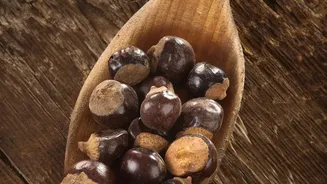
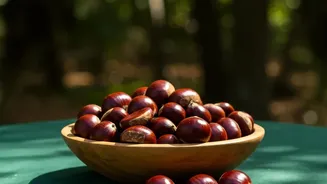
Before you even think about heat, proper preparation is crucial for success. Start by selecting chestnuts that are firm, glossy, and feel heavy for their size. Avoid any with blemishes, holes, or that feel wrinkled. Once you have your chestnuts, rinse them and, most importantly, score them. Using a sharp paring knife, carefully cut a large 'X' on the flat or rounded side of each nut. This step is not just for easier peeling; it's a critical safety measure that allows steam to escape, preventing the chestnuts from exploding in the oven. Make sure the cut goes through the hard shell and the thin skin beneath without cutting too deeply into the nut itself.
The Roasting Process
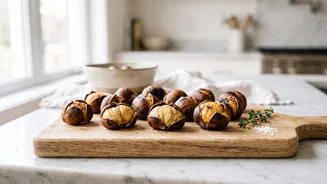
Once scored, your chestnuts are ready for the oven. Preheat your oven to a temperature between 350°F (180°C) and 425°F (220°C); different sources recommend different heats, but a moderate-to-high temperature works well. Arrange the chestnuts in a single layer on a baking sheet, cut-side up. Roast for 15 to 30 minutes, depending on their size and your oven's temperature. You'll know they're ready when the shells at the 'X' have curled back and opened up, revealing the golden nutmeat inside. Some cooks like to give the pan a shake halfway through to ensure even cooking.
The Crucial Peeling Window
This is where timing is everything. Once you remove the chestnuts from the oven, don't let them cool completely. A popular and effective method is to immediately wrap the hot chestnuts in a clean kitchen towel. Let them steam inside the towel for about five to ten minutes. This step traps the residual heat and moisture, making the shells and inner skins even softer and easier to remove. Working in small batches, take a few chestnuts at a time from the towel, keeping the rest wrapped to stay warm. The shells should crackle and pull away easily, and the tricky inner skin should come off with them. Use a towel to protect your fingers from the heat as you work.
Tips for Stubborn Nuts
Even with the best technique, you might encounter a few stubborn chestnuts. If the thin inner skin refuses to budge, you can try dropping the nut back into a bowl of hot water for a minute or two to loosen it up. Some methods even incorporate boiling or soaking the chestnuts before roasting to add extra moisture and further ease the peeling process. If you're not concerned with keeping the nut whole for presentation, another option is to cut the roasted chestnut in half and scoop the meat out with a spoon. Peeled chestnuts can be stored in an airtight container in the refrigerator for a few days.