







Why Headlines Bend the Truth
Dramatic health headlines are rarely born from a single journalist’s desire to mislead. The issue is more systemic, starting long before a story hits the news. The journey from a scientific study to a news article is like a game of telephone. A research
paper, often dense and cautious, is first summarized in a university or journal press release. These press releases are designed to attract attention, and in doing so, they can sometimes oversimplify or exaggerate the study's conclusions. Journalists, often working under tight deadlines and without specialized scientific training, may rely heavily on these releases. The pressure for clicks and engagement in today's media landscape adds another layer, incentivizing punchy, definitive headlines over nuanced, cautious ones. The result is that a preliminary finding in a small study can be framed as a major breakthrough for human health.
Correlation Is Not Causation
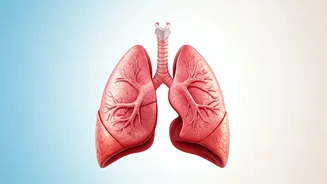
One of the most common pitfalls in health reporting is confusing correlation with causation. An observational study might find that people who eat a certain food have better lung function. A headline might declare, "This Food Improves Lung Health!" This implies that eating the food causes the improvement. However, the study can only show a link, or correlation, not a direct cause. It's possible that people who eat that food also tend to exercise more, avoid smoking, or have other healthy habits that are the real reason for their better lung function. These other factors are called confounding variables. Establishing true causation is difficult and typically requires a randomized controlled trial, where one group receives a treatment and another does not, to isolate the effect of the variable being studied. When reading, always question whether a headline is describing a simple link or a proven cause.
Watch Out for These Red Flags
Developing a healthy skepticism can help you navigate the flood of health information. Be wary of dramatic words like "miracle," "cure," "breakthrough," or "groundbreaking." True scientific breakthroughs are rare; progress is usually slow and incremental. Check the details of the study itself. Was it conducted on humans, or on animals like mice or rats? Findings in animal studies don't always translate to people. How large was the study? A study with a few dozen participants is less reliable than one with thousands. Also, consider the source. Is the story from a reputable news organization with dedicated science journalists, or an obscure blog? Reputable articles should cite their sources, such as the scientific journal where the research was published.
Becoming a Smarter Health News Consumer
You don't need a science degree to read health news more effectively. The first step is to always read beyond the headline. The article's body may contain important context and limitations that the headline omits. Look for quotes from independent experts who were not involved in the study. Their perspective can provide balance and highlight potential weaknesses in the research. It can also be helpful to use the SIFT method: Stop, Investigate the source, Find better coverage, and Trace claims back to the original source. If a claim seems surprising or too good to be true, see if other credible outlets are reporting it. This simple act of cross-verification can often separate a hyped-up story from a genuinely significant finding. By adopting these habits, you empower yourself to understand what the science really says.