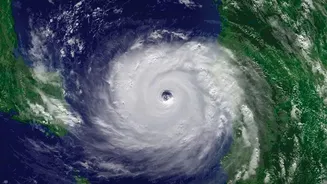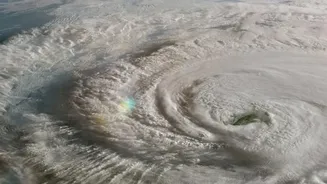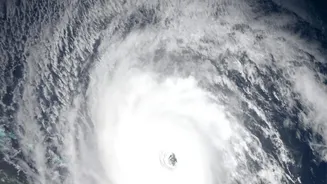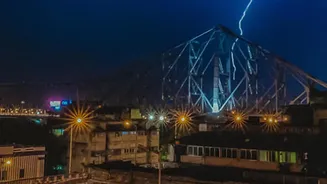






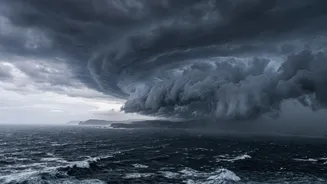

As Cyclone Arnab causes widespread disruption across India's transport network, thousands of travellers find themselves stranded at airports and railway stations. The stress is immense, but staying calm and informed is your first line of defence.
First Steps: Secure Your Basics
If you
are stranded, your immediate priority is to address your basic needs. Find a safe, relatively quiet spot away from large glass windows. Major transit hubs can be chaotic during a crisis, so secure your luggage and keep your valuables with you at all times. The next crucial step is power. Locate charging stations for your mobile phone and keep a power bank handy. A charged phone is your lifeline for receiving official updates and communicating with family. Once settled, find out where you can get food and bottled water. Shops may have limited hours or stock, so it's wise to purchase essentials as soon as you can.
Know Your Rights as a Passenger
Understanding your rights is critical when flights and trains are cancelled. For air travel, Directorate General of Civil Aviation (DGCA) rules apply. While cyclones are considered 'force majeure' events, exempting airlines from paying cash compensation, they are not absolved of their duty of care. If your flight is cancelled, the airline must offer you a choice between a full refund or an alternative flight. If you are already at the airport, they are obligated to provide you with meals and refreshments during a long delay and hotel accommodation for an overnight wait. For rail passengers, Indian Railways provides a full refund for cancelled trains. E-tickets are refunded automatically to the source account, while counter tickets must be submitted at a station. If a train is delayed by more than three hours, you are also entitled to a full refund if you choose not to travel.
Trust Only Official Information Channels
In a crisis, misinformation spreads rapidly. Avoid rumours on social media and rely exclusively on official sources for updates. For weather warnings, follow the India Meteorological Department (IMD) and the National Disaster Management Authority (NDMA). The IMD uses a colour-coded system: a Yellow Alert (Cyclone Alert) is issued 48 hours in advance, followed by an Orange Alert (Cyclone Warning) 24 hours prior. For your travel plans, check the official website or mobile app of your airline or Indian Railways' National Train Enquiry System (NTES). These platforms will provide the most accurate status of your journey.
Plan for an Extended Stay
If it becomes clear you will be stranded overnight, you need a safe place to rest. Ask your airline or railway authorities about arrangements. Airlines are often required to provide hotel accommodation for extended delays. In severe situations, local disaster management authorities may set up temporary cyclone shelters near major transit hubs. Many airports also have sleeping pods or small hotels within the terminal that can be rented. If you choose to book your own accommodation, look for sturdy buildings situated inland, away from the coast or low-lying areas. Be wary of price gouging, which can unfortunately occur during emergencies.
Manage Health and Communication
The stress of being stranded can take a toll. Ensure you have an adequate supply of any personal medications. Transit hubs are equipped with first aid stations; locate the nearest one in case of need. Conserve your money, as ATMs may become nonfunctional due to power outages. Most importantly, stay in touch with your family. Let them know you are safe and provide them with regular updates on your situation. A quick message can alleviate immense worry for loved ones who are watching the news from afar. Stay patient and cooperative with officials; they are managing a large scale crisis and kindness can go a long way.