
The Threat of Bacterial Infections
One of the most significant dangers lurking in standing water is Leptospirosis, a serious bacterial infection. The bacteria, called Leptospira, thrive in damp environments and are often spread through the urine of infected wildlife, like rodents. When
a dog drinks, walks, or swims in contaminated water, the bacteria can enter its body through the mouth, nose, or small cuts in the skin. This is a particular concern during India's monsoon season, when flooding and puddles are common. Symptoms can be vague, including fever, vomiting, muscle stiffness, and lethargy, but the disease can quickly lead to severe kidney and liver damage. Vaccination can offer significant protection against common strains of the bacteria.
Parasites in Puddles
Beyond bacteria, stagnant water is also a common source of microscopic parasites. Giardia is one of the most prevalent, causing an intestinal illness known as giardiasis. Pets become infected by swallowing the parasite after drinking from a contaminated puddle, stream, or pond. The most common sign of a Giardia infection is foul-smelling, persistent diarrhea, which may also be accompanied by vomiting, gas, and weight loss. While many adult dogs may show no symptoms, puppies and kittens are more susceptible to becoming ill. Preventing your pet from drinking from unknown water sources and providing fresh, clean water is the best defense.
The Problem with Wet Paws
The danger isn't just in what your pet ingests; constant dampness can also wreak havoc on their paws. When paws remain wet for extended periods, the skin between the pads can become irritated and inflamed, a condition known as pododermatitis. This warm, moist environment is an ideal breeding ground for yeast and bacteria, leading to painful infections. You might notice your dog excessively licking or chewing at their feet, along with redness, swelling, or even a cheesy discharge. Thoroughly drying your pet's paws, belly, and coat after every walk in the rain is a crucial preventative step to avoid these uncomfortable skin issues.
Invisible Chemical Hazards
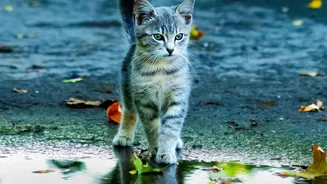
Puddles on roads, driveways, and in parking lots can collect more than just rainwater. They often contain runoff from vehicles, which includes toxic chemicals like motor oil, gasoline, and antifreeze. Antifreeze is particularly dangerous because its sweet taste can be attractive to animals, but even a small amount is highly toxic and can be fatal. These chemical cocktails can be ingested when a pet drinks from a puddle or licks its contaminated paws after a walk. It’s always safest to steer your pet clear of any standing water in urban or high-traffic areas.
Simple Steps for Prevention
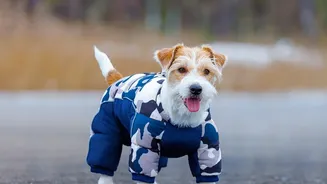
Protecting your pet doesn't mean forgoing outdoor fun entirely. A few proactive habits can make all the difference. Always carry a bottle of fresh, clean water for your pet on walks to discourage them from drinking from puddles. After any exposure to rain or wet ground, take the time to thoroughly rinse and dry their paws and underbelly. Investing in a good raincoat and waterproof booties can also help minimise contact with contaminated water. Finally, stay up-to-date with vaccinations, including the one for Leptospirosis, and consult your veterinarian about the best parasite prevention plan for your pet.