





Understanding the Price Hikes
Several factors are contributing to the increase in vehicle prices. Automakers like Tata Motors and Maruti Suzuki have already announced price revisions, citing persistent inflationary pressures and higher input costs for materials like steel and aluminium.
The cost of EV batteries has also seen a rise. Furthermore, the industry is adapting to upcoming, stricter regulatory norms related to safety and emissions, which adds to manufacturing expenses. This combination of supply-side costs and strong consumer demand means that waiting for a price drop is unlikely; instead, buyers should focus on smart planning to mitigate the impact of these higher prices.
Begin Your Research Immediately
Don't wait for the festive rush to begin your search. The weeks leading up to the main festive period are the ideal time to shortlist models, compare variants, and read long-term reviews. Define your budget and needs clearly. Consider questions like your average monthly running, the number of primary users, and how long you plan to keep the car. Focus your research on the total on-road price, which includes insurance, registration, and other charges, not just the ex-showroom cost. A well-researched buyer is in a much stronger position to negotiate effectively when the time comes.
Secure Your Financing in Advance
Knowing your exact budget is critical. Before you even step into a showroom, approach your bank or other financial institutions to get pre-approved for a car loan. This gives you a firm ceiling on your spending and a benchmark interest rate. Dealer-offered financing can sometimes be attractive, especially during the festive season, but having a pre-approved offer allows you to compare and choose the most cost-effective option. With formal financing for used cars also becoming more accessible and popular, this strategy applies whether you are buying new or pre-owned.
Mastering Festive Season Negotiations
While dealers may seem to have the upper hand in a high-demand market, there is still room for negotiation. Instead of focusing solely on a cash discount on the ex-showroom price, try to negotiate the overall package. Ask for a waiver on handling charges or push for valuable freebies like essential accessories, an extended warranty, or a service package. Another effective strategy is to secure your own insurance, as dealer-provided policies are often marked up. Getting quotes from external providers can give you leverage to either get a discount or buy a cheaper policy yourself.
Explore the Booming Used Car Market
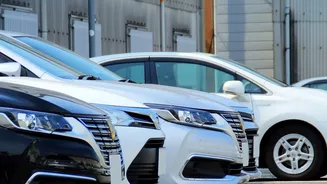
The rising cost of new cars is making the pre-owned market an increasingly attractive option for many buyers. The organised used car market in India is projected to grow significantly, offering better quality and reliability than ever before. Digital platforms have improved transparency, making it easier to find certified pre-owned vehicles with verified histories and even warranties. You can often get a higher-segment, feature-rich used car for the price of a new entry-level model, providing excellent value for money. Over a five-year ownership period, used vehicles can be up to 25% cheaper than their new counterparts.
Consider Electric and Hybrid Alternatives
While the initial purchase price of an electric vehicle (EV) can be higher, it's worth calculating the total cost of ownership. Lower running costs, reduced maintenance, and government incentives can offset the upfront expense over time. India's EV market is expanding rapidly, with a growing number of models and improving charging infrastructure. Hybrid vehicles also present a middle ground, offering better fuel efficiency than conventional cars. As powertrain technologies evolve, considering these alternatives could lead to long-term savings.