




From Material Wealth to Mental Wellness
For generations, luxury was defined by tangible assets: a five-star hotel suite, a Swiss watch, a bespoke suit. It was about showcasing wealth and status through acquisition. But a quiet revolution is underway, driven by a generation grappling with digital
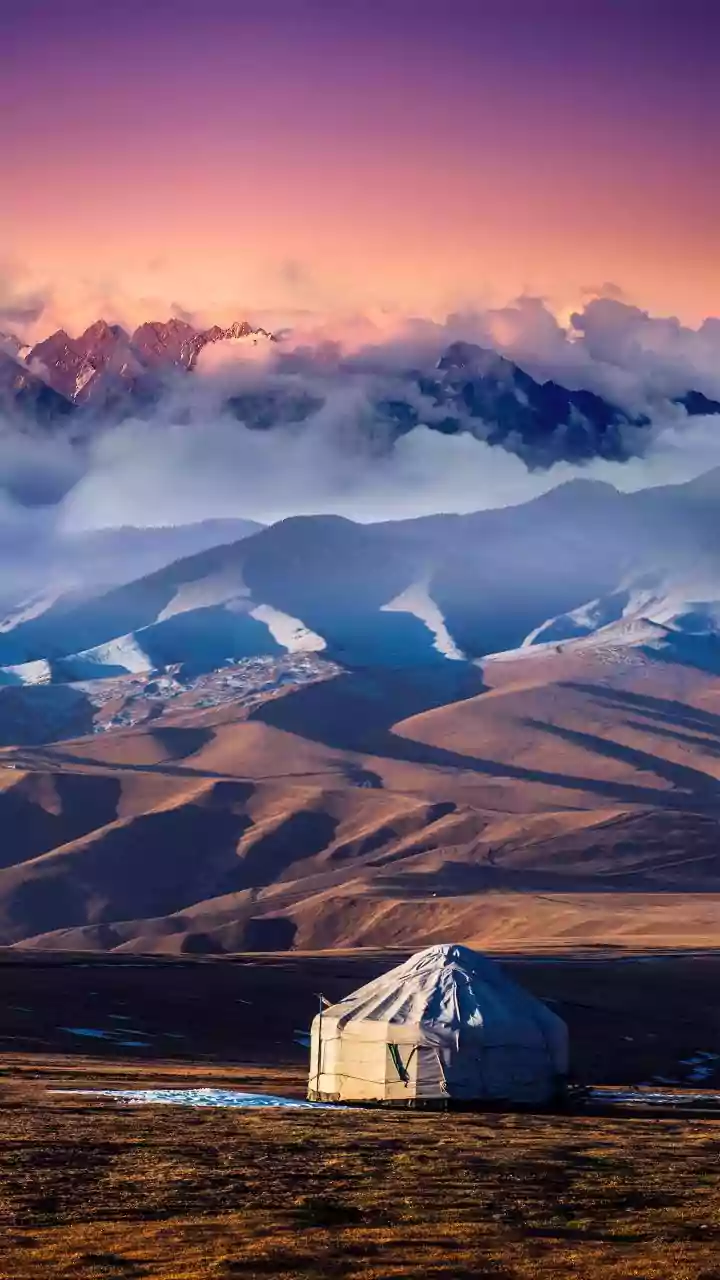
burnout and chronic stress. The new marker of a well-lived life isn't a crowded display cabinet; it's an empty calendar and a view of an untouched landscape. This shift from material to experiential luxury places a premium on what modern life has made scarce: silence, solitude, and a genuine connection with the natural world. People are no longer just buying things; they are investing in their own peace of mind. A weekend at a secluded forest cabin or a week-long trek in the mountains is now seen as a more valuable, and arguably more brag-worthy, experience than a shopping spree.
The Science of Serenity
This isn't just a fleeting trend; it's backed by a growing body of scientific evidence. The concept of ‘biophilia,’ popularised by biologist E.O. Wilson, suggests that humans have an innate tendency to seek connections with nature. Spending time in natural environments has been proven to lower cortisol (the stress hormone), reduce blood pressure, and improve mood and mental focus. The Japanese practice of ‘shinrin-yoku’ or ‘forest bathing’ is a perfect example. It isn't about hiking or exercise; it’s simply the act of being calm and quiet amongst the trees, observing nature around you while breathing deeply. This practice is now being prescribed by doctors worldwide for its therapeutic benefits. As we become more aware of the detrimental effects of an ‘always-on’ culture, the restorative power of nature has become an essential antidote, making it a highly coveted luxury.
What a 'Nature Escape' Really Means
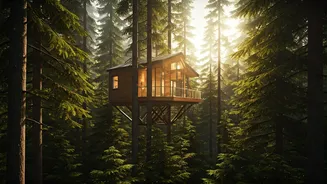
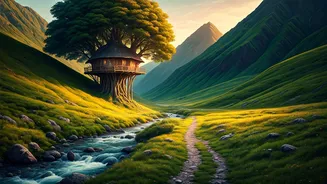
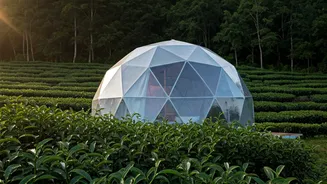
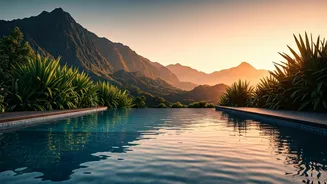
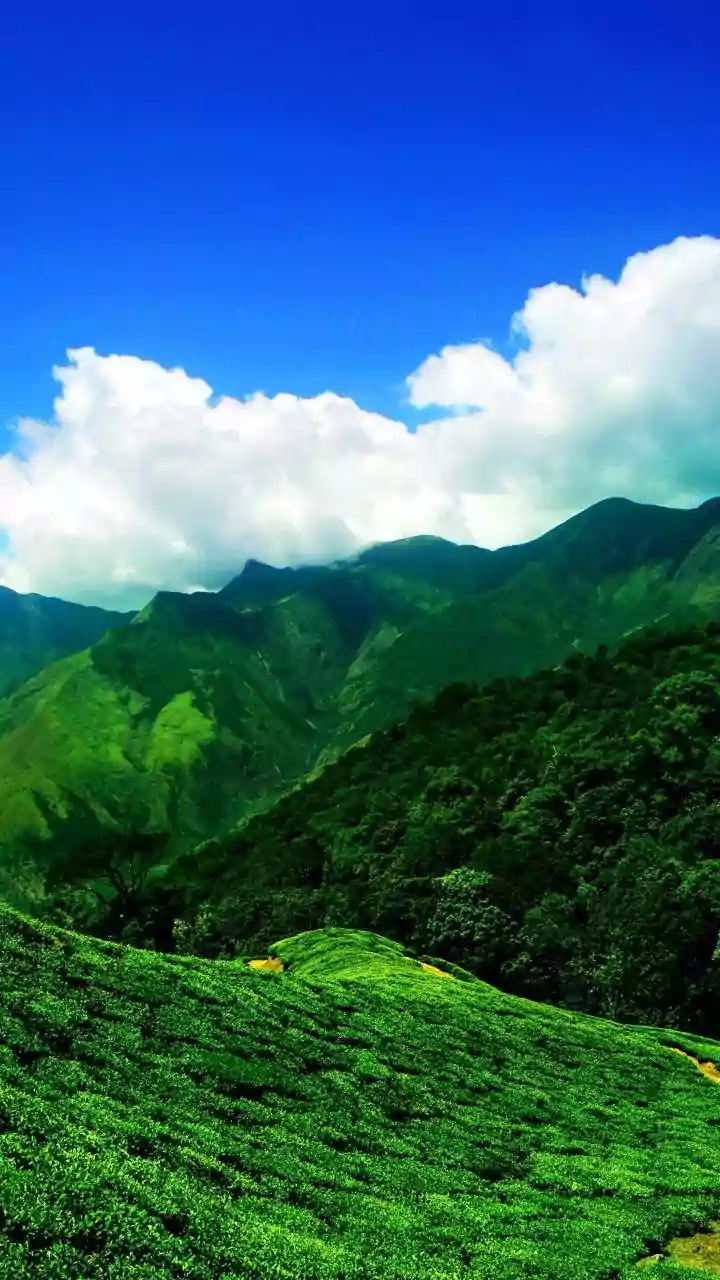
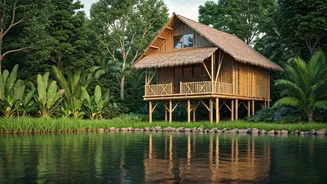
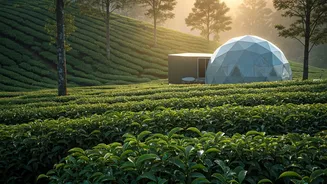
This new form of luxury isn't about roughing it in a leaky tent. On the contrary, it combines the best of comfort with pristine environments. Think architecturally stunning glass cabins overlooking a valley in the Himalayas, boutique eco-lodges in the heart of the Western Ghats, or private farm stays in Coorg where the only sounds are birdsong and the rustling of coffee plants. The luxury lies in the thoughtful curation of the experience. It’s about having organic, locally sourced meals, private guides for nature walks, and design that blurs the line between indoors and outdoors. These escapes offer privacy and exclusivity not through high walls, but through sheer remoteness. The focus is on sustainability, authenticity, and providing a space where guests can truly disconnect from the chaos of daily life and reconnect with themselves.
The Indian Context
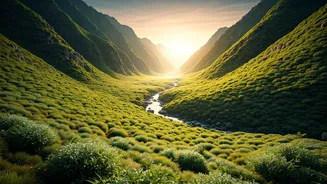
India, with its breathtakingly diverse geography, is perfectly positioned for this trend. The traditional pilgrimage has been reimagined as a secular search for peace. Wellness retreats in the foothills of Uttarakhand and Himachal Pradesh that combine yoga, meditation, and mountain air are in high demand. Kerala's tranquil backwaters and lush spice plantations offer a serene alternative to crowded beach resorts. Even the stark beauty of the deserts in Rajasthan and the salt flats of Kutch are being transformed into destinations for luxurious, isolated camping experiences under the stars. For the urban Indian professional, the ability to escape the noise and pollution of the city for a few days of clean air and quiet contemplation has become the ultimate recharge, and they are willing to pay a premium for it.