





The Genius of Simplicity
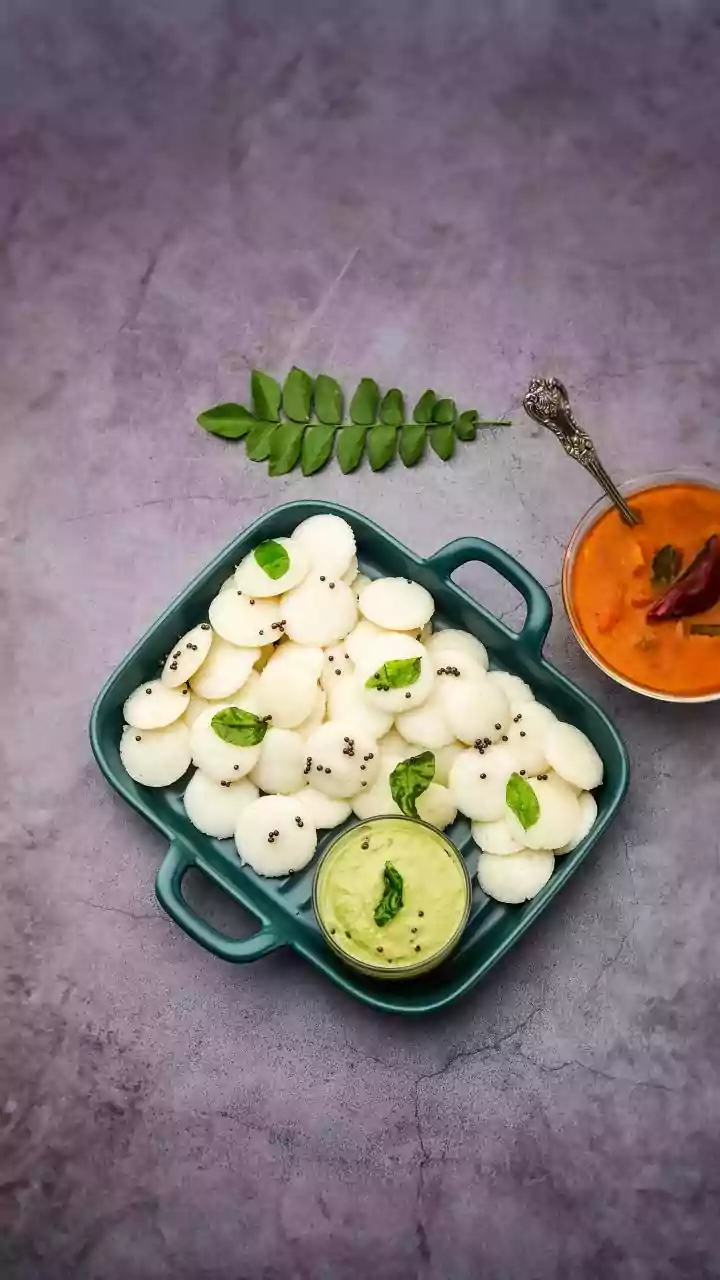
The humble idli is a marvel of food design. Made from a fermented batter of rice and lentils, it’s a nutritional powerhouse packed with protein and probiotics. The fermentation process not only gives it a distinctive soft and spongy texture but also makes
it incredibly easy to digest by breaking down complex starches and proteins. It's low in fat, gluten-free, and steamed, not fried, making it a guilt-free pleasure for people of all ages. Its genius lies in its restraint. It doesn’t scream for attention with overpowering spices or elaborate presentation. It is simply, and perfectly, itself. This culinary purity allows it to be a blank canvas, pairing beautifully with anything from a fiery sambar to a subtle coconut chutney or a dollop of ghee and sugar. It is proof that a dish doesn't need to be complicated to be brilliant.
The Problem with Modern Menus
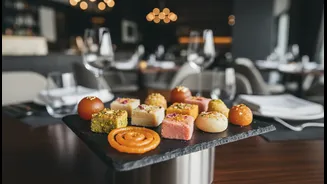
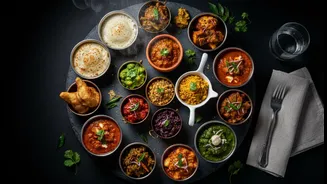
In stark contrast to the idli’s elegant simplicity stands the modern restaurant menu: a document often defined by excess. Many menus have become overwhelmingly long, a sprawling list of dishes chasing every conceivable trend from fusion tacos to deconstructed classics. This 'menu sprawl' creates a paradox of choice for diners and places immense strain on kitchens. Chefs are pressured to create 'Instagrammable' dishes, where visual appeal trumps flavour and substance. The result is often a collection of confusing, poorly executed fusion concepts and overpriced items that rely on novelty rather than quality. While diners are becoming more adventurous, they are also seeking authenticity and value. The endless pursuit of 'what's next' leads to menus that lack a clear identity, leaving customers confused and kitchens struggling with bloated inventory and food waste.
What is Idli Logic?
So, what is 'Idli Logic'? It’s a philosophy of restraint, quality, and focus. It’s about building a menu around core principles rather than fleeting fads. The first principle is ingredient integrity. Like the idli's simple rice and lentil base, dishes should champion high-quality, core components. The second is consistency. An idli is reliably excellent, and a restaurant's signature offerings should be too. The third is accessibility. The idli is affordable and universally loved; menus should offer options that are approachable in both price and concept, without alienating diners with jargon or overly complex descriptions. Finally, it’s about a commitment to health and good technique. Steaming, fermenting, and focusing on nourishment are central to the idli's appeal, a lesson many modern menus, heavy on fried items and rich gravies, could learn from.
Putting Idli Logic on the Plate
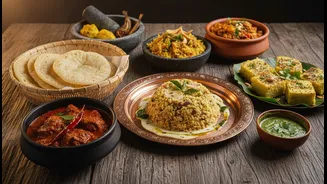
Applying Idli Logic doesn’t mean every restaurant should serve South Indian food. It means adopting its ethos. For a Punjabi restaurant, it could mean perfecting its dal makhani and butter chicken, ensuring they are consistently flawless, instead of adding a list of mediocre Indo-Chinese dishes. For a modern cafe, it might involve creating a concise, seasonal menu that showcases local produce rather than offering a dozen sandwiches with imported ingredients. It’s about having the confidence to do fewer things, but do them exceptionally well. This approach, rooted in the idea that simplicity can be a form of sophistication, allows chefs to master their craft and build a loyal following. It means focusing on dishes that travel well for delivery, are operationally efficient, and deliver genuine comfort and flavour—qualities that define the idli itself.