



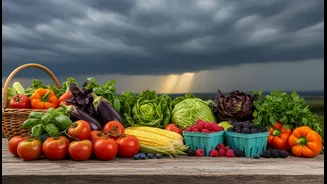
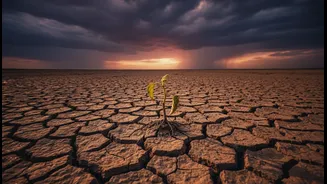


The Kitchen Budget Rollercoaster
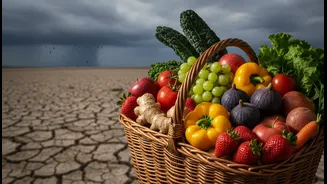
Managing a household budget in India often feels like navigating a volatile market, especially when it comes to food. The prices of staples like onions, tomatoes, and potatoes can swing wildly, seemingly overnight. One month, a sudden downpour damages
crops in a key growing region, and the next, prices at the local market have doubled. These shocks aren't just inconvenient; they force families to make difficult choices, cutting back on nutritious items or reallocating funds meant for other essentials. This price volatility is a major driver of food inflation, which rose to 4.78% in May 2026. Studies by the Reserve Bank of India have shown that changes in rainfall and temperature are directly linked to spikes in vegetable inflation, creating constant uncertainty for millions of households trying to plan their monthly expenses.
From Cloud to Counter: The Disconnect
We live in an age of sophisticated weather forecasting. The India Meteorological Department (IMD) provides detailed predictions about the monsoon's arrival, heatwave intensity, and potential cyclones. This information is vital for farmers, policymakers, and commodity traders, who use it to make decisions about planting, storage, and distribution. Yet, for the average consumer, this data remains abstract. There is a significant disconnect between the meteorological forecast and its practical meaning for a household's grocery bill. Knowing a heatwave is coming is one thing; knowing it will likely cause the price of leafy greens to triple in two weeks is another. This information gap leaves households reactive, forced to absorb price shocks after they happen rather than preparing for them.
Why Your Weather App Doesn't Show Food Prices
The journey from a weather event to a price tag is complex. It involves not just the initial crop damage but also supply chain inefficiencies, transportation bottlenecks, and inadequate storage facilities, all of which are exacerbated by extreme weather. For example, unseasonal rain can not only harm standing crops but also damage roads, delaying transport and leading to spoilage. While farmers and large corporations have access to complex models that try to predict these impacts, this analysis rarely trickles down to the consumer level in a simple, actionable format. There is currently no mainstream tool that translates a forecast for a 'below-normal monsoon' into a concrete advisory like, 'Expect pulse prices to rise in the next quarter; stock up now if possible.'
Bridging the Information Gap
Creating a more resilient household budget requires closing this information loop. Experts suggest that a combination of technology and public policy could empower consumers. Imagine a mobile application that overlays weather forecasts with crop cycle data and market intelligence, providing a simple 'food price forecast'. Public advisories, which currently focus on weather safety, could be expanded to include potential economic impacts. For instance, a government bulletin could advise consumers on which vegetables are likely to be cheaper and more abundant based on regional weather patterns. Such tools would not only help families manage their finances but could also help smooth out demand, reducing panic buying and hoarding when a price spike is announced.
A Smarter Approach to Shopping
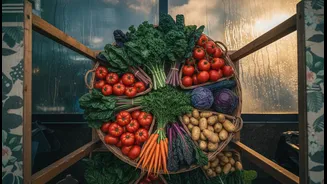
While we wait for such innovations, consumers can still take steps to mitigate the impact of weather-driven price volatility. Paying closer attention to broader weather news, especially during critical monsoon months, can provide clues about future price trends. Embracing seasonal eating—buying fruits and vegetables that are naturally in abundance at certain times of the year—is a time-tested strategy for keeping costs down. Building a small buffer in the monthly budget for potential food price increases can also reduce financial stress. As climate change makes extreme weather events more frequent and intense, understanding the link between the sky and the sabzi mandi is no longer just interesting; it's an essential skill for financial well-being.