




Pack Beyond the Umbrella
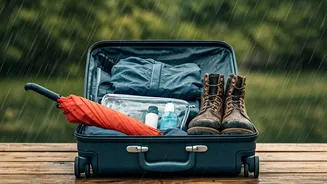
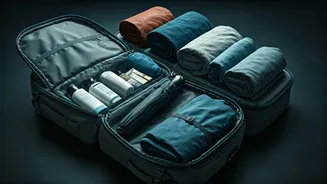
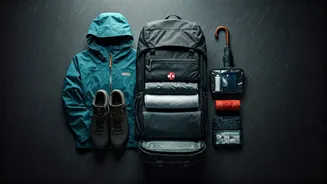
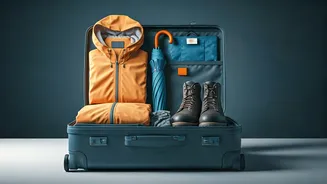
An umbrella is a given, but smart monsoon packing goes deeper. Invest in a high-quality, lightweight waterproof jacket with a hood. It keeps you drier than an umbrella in windy conditions and frees up your hands. Also, pack a few quick-dry towels; they
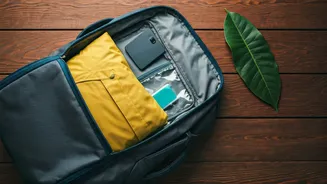
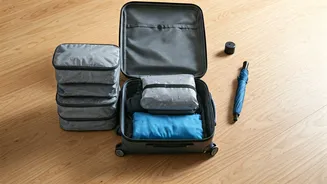
are a lifesaver when your hotel towel just won’t dry in the humid air. Bring several zip-lock bags in various sizes to compartmentalise your luggage. They’re perfect for protecting electronics, separating wet clothes from dry ones, and keeping important documents like your passport and tickets completely safe from moisture.
Choose Your Fabrics Wisely
Leave the denim and heavy cottons at home. These fabrics absorb a massive amount of water and take forever to dry, leaving you with a suitcase full of damp, heavy clothes. Instead, opt for lightweight synthetics like nylon, polyester, and rayon. They dry incredibly fast and are easy to pack. For clothing, think loose-fitting tops, capris, and shorts that won’t cling to you when damp or trail in puddles. A synthetic shawl or stole can also be a versatile accessory for a bit of warmth on cooler, rainy evenings.
Waterproof Your Tech and Valuables
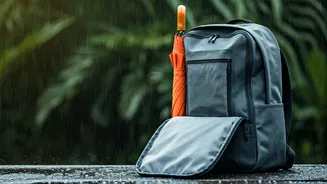
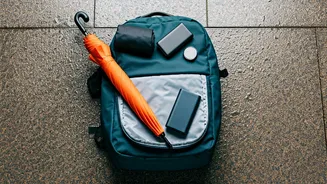
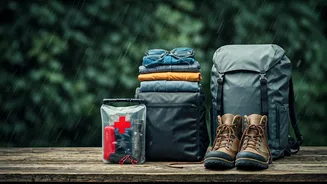
Water damage is the number one enemy of your expensive gadgets during the monsoon. Don’t take chances. Use a waterproof backpack or a rain cover for your regular bag. For smaller items like your phone, wallet, and camera, a dedicated waterproof dry bag or even a high-quality zip-lock pouch is non-negotiable. If you’re a photographer, a rain sleeve for your camera is a worthy investment. Before you leave, back up your phone and other devices to the cloud, just in case the worst happens. It’s a simple step that can save you a lot of heartache.
The Right Footwear is Crucial
Your choice of footwear can make or break your monsoon trip. Leather shoes are a definite no, as water will ruin them. Canvas sneakers get soggy and heavy. The best options are rubber-soled sandals, floaters, or Crocs-style slip-ons. They provide good grip on slippery surfaces, don’t get ruined by water, and dry almost instantly. They are also easy to rinse off after a walk through muddy streets. If you plan on doing some light trekking, look for waterproof hiking shoes with excellent traction, but always pack a pair of simple flip-flops for casual use.
Plan Your Transport and Route
Monsoon travel requires flexibility. Roads, especially in hilly or remote areas, can be prone to landslides and waterlogging. Before you book, research your destination's accessibility during the rains. When driving, check your car’s tyres, wipers, and brakes. Drive slowly and maintain a safe distance from the vehicle ahead. If you’re relying on public transport, be prepared for delays. Flights can be rescheduled, and trains might run late. Build buffer time into your itinerary and always have a Plan B. It’s also wise to travel during the day when visibility is better and help is more readily available if needed.
Prioritise Health and Hygiene
The monsoon season brings an increased risk of water-borne diseases and other infections. Be vigilant about what you eat and drink. Stick to bottled water and avoid street food that has been sitting out, especially anything uncooked like salads or chutneys. Opt for hot, freshly prepared meals. Carry a basic first-aid kit with essentials like antiseptic wipes, bandages, insect repellent, and medication for stomach upsets. Keeping your feet dry is also important to prevent fungal infections, so be sure to wash and dry them thoroughly at the end of each day.