






The Case Against Your Phone
The primary culprit in the phone-versus-sleep debate is blue light. Numerous studies have shown that the blue light emitted by screens suppresses the production of melatonin, the hormone that regulates your sleep-wake cycle. When your brain is exposed
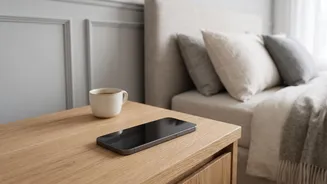
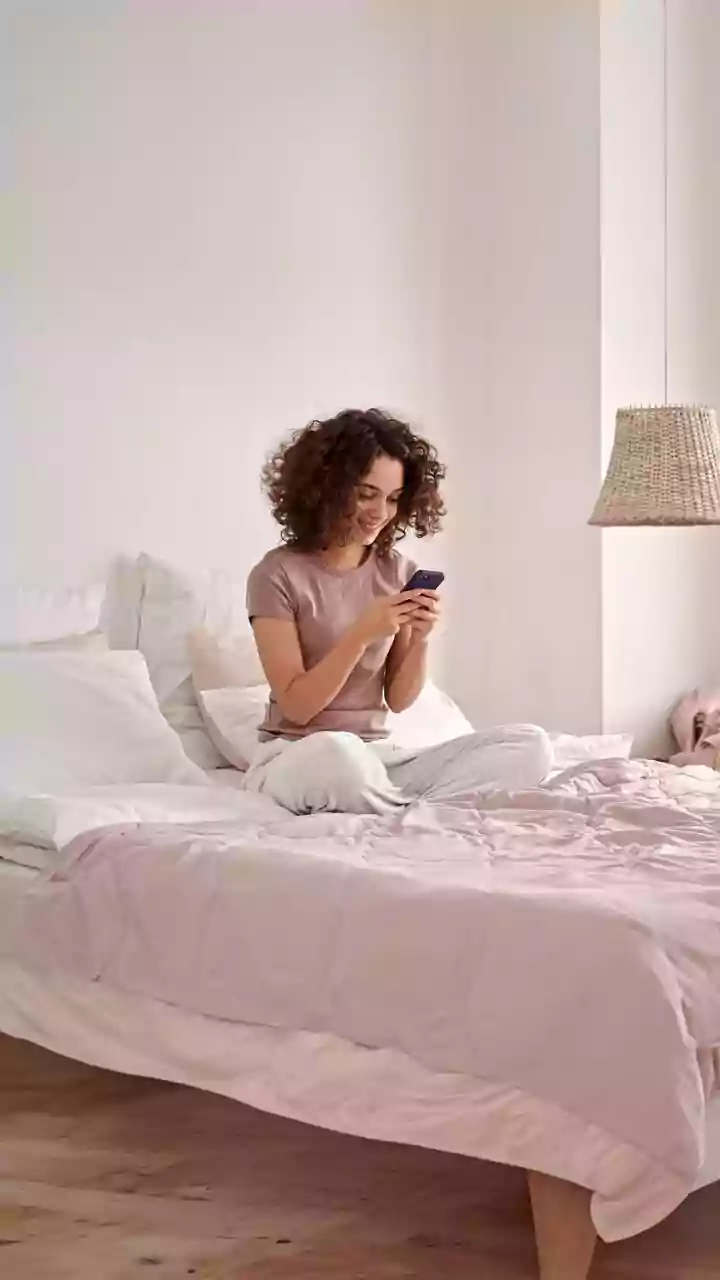
to this light, it gets a signal that it’s still daytime, making it harder to fall asleep. Beyond the biological effects, there’s the issue of mental stimulation. Scrolling through social media, answering late-night emails, or reading stressful news can put your brain into a state of high alert. This mental engagement tricks your brain into thinking it needs to stay awake, delaying the onset of sleep and potentially reducing the amount of restorative REM sleep you get. Even the simple presence of a phone in the bedroom can be disruptive. Notifications, buzzes, and the temptation to check it if you wake up during the night can fragment your sleep.
The Surprising Ways Your Phone Can Help
Despite the clear downsides, your phone isn’t entirely a sleep villain. When used mindfully, it can become a powerful sleep aid. Many people find success with apps that offer guided meditations, mindfulness exercises, or calming bedtime stories. These can help quiet a racing mind and ease the transition into sleep. Another popular use is for ambient sound. White noise, nature sounds, or calming music can help mask disruptive background noises like traffic or a snoring partner, creating a more stable and peaceful sleep environment. Some phones even have built-in background sound features. The key is to engage with this content passively. Setting a sleep timer so the audio shuts off automatically prevents you from having to look at your screen again. Using your phone for these purposes transforms it from a source of stimulation into a tool for relaxation.
Do Sleep Tracking Apps Really Work?
A massive industry has grown around sleep tracking apps and wearables. These tools use your phone's microphone and motion sensors to estimate your sleep patterns, including duration and interruptions. While they have improved, experts caution against treating their data as a medical diagnosis. These apps are generally good at distinguishing between being asleep and being awake, but they are not accurate at identifying specific sleep stages like deep or REM sleep. Their real value lies in raising awareness of your habits. Seeing your bedtime patterns laid out can motivate you to maintain a more consistent schedule. However, for some, especially those with insomnia, tracking sleep can increase anxiety and make it even harder to rest. The consensus is that they are a good starting point for understanding your sleep hygiene, but they cannot replace a professional evaluation if you have persistent sleep problems.
Smart Rules for a Smarter Sleep Routine
To get the benefits of your phone without the drawbacks, it’s all about creating healthy boundaries. The most effective rule is to establish a 'digital curfew.' Experts recommend stopping all screen use at least 30 to 60 minutes before bed, though some suggest a longer window of up to two hours. Use your phone’s built-in features to your advantage. Activate 'night mode' or a blue light filter, which shifts your screen to warmer tones in the evening. Set up 'Do Not Disturb' or 'Sleep Mode' to silence notifications automatically. The best habit, according to sleep experts, is to create a phone-free bedroom. Charge your device in another room overnight. This removes the temptation to scroll if you can't fall asleep or to check it first thing upon waking. If you use your phone as an alarm, consider buying a simple, inexpensive alarm clock instead. This small change can make a significant difference in making your bedroom a true sanctuary for rest.