




Prioritise Cross-Ventilation
Good airflow is one of the most effective ways to combat indoor humidity. Even during the rains, try to open windows and doors for at least 15-30 minutes daily, preferably when it is not actively raining. Creating a cross-breeze by opening windows on opposite
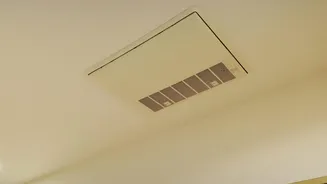
sides of the house helps push out the damp, stagnant air and replace it with fresher, drier air. This simple habit prevents condensation from building up on walls and ceilings, which is a primary cause of mould growth. If you have exhaust fans in your kitchen and bathrooms, use them regularly, especially after cooking or showering, to expel moisture-laden air directly outside.
Invest in a Dehumidifier
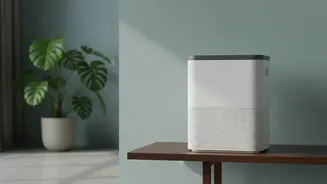
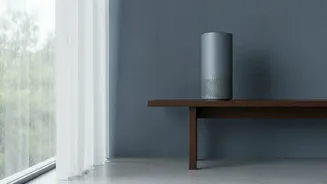
For homes in particularly humid regions or for rooms that are persistently damp, a dehumidifier is a worthwhile investment. These appliances work by drawing in moist air, cooling it to condense the water, and releasing drier air back into the room. Maintaining an indoor humidity level between 30% and 50% makes the environment less hospitable for mould and dust mites. A dehumidifier not only protects your walls, furniture, and electronics from moisture damage but also makes the air feel more comfortable. For single rooms like bedrooms or wardrobes, a smaller portable unit is often sufficient.
Use Natural Moisture Absorbers
You can tackle dampness in smaller, enclosed spaces using readily available household items. Placing bowls of rock salt or baking soda in wardrobes, shoe racks, and kitchen cabinets can help absorb trapped moisture. Another great option is using silica gel packets—the kind you find in new shoe boxes or bags. Instead of throwing them away, place them in drawers and cupboards to protect clothes and other items. Some houseplants also act as natural dehumidifiers by absorbing moisture through their leaves. Species like the peace lily, spider plant, and areca palm can help improve indoor air quality while adding a touch of green.
Inspect and Seal Leaks
Preventing water from entering your home in the first place is crucial. Before the heavy rains set in, take time to inspect your home for potential problem areas. Check for cracks in external walls, gaps around window and door frames, and any signs of damage on the roof. Even minor cracks can allow a significant amount of water to seep in during a downpour. Use silicone sealant to caulk gaps around windows and doors, and address any wall cracks promptly. Ensuring your roof and drainage gutters are clear of leaves and debris will also prevent water from overflowing and seeping into your walls and ceilings.
Be Smart About Laundry
Drying wet clothes indoors can dramatically increase the humidity levels in your home. During the monsoon, avoid this practice as much as possible. If you must dry clothes inside, choose a well-ventilated area, preferably near an open window or a running fan to help dissipate the moisture. Never leave wet clothes in a closed, unventilated room, as this creates a perfect breeding ground for mould and leaves your clothes with a persistent musty smell. Ensure clothes are completely dry before storing them in wardrobes to prevent mildew from forming.
Wipe Down Damp Surfaces
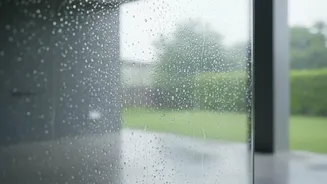
Condensation can quickly form on cool surfaces like windows, mirrors, tiles, and walls when the indoor air is humid. Make it a habit to regularly wipe down these surfaces with a dry cloth. This is especially important in bathrooms after a shower and in kitchens after cooking. Immediately cleaning up any spills or wet spots on the floor prevents moisture from lingering and seeping into flooring materials. This simple, consistent effort goes a long way in preventing the build-up of dampness that encourages fungal growth.