







The Climate Superpowers of the Coast
Coastal ecosystems like mangroves, seagrass meadows, and salt marshes are quiet climate heroes. Through photosynthesis, they pull massive amounts of carbon dioxide from the atmosphere, a process known as carbon sequestration. This isn't just a fleeting
capture; they store this carbon in their leaves, stems, roots, and, most importantly, in the soil beneath them. This stored carbon is called 'blue carbon'. Because the soil in these coastal areas is waterlogged and low in oxygen, decomposition is extremely slow. This allows carbon to remain locked away for centuries, even millennia, making these ecosystems incredibly efficient long-term carbon sinks. In fact, on a per-area basis, mangroves and coastal wetlands can sequester carbon at a rate up to ten times greater than mature tropical forests.
How Erosion Unlocks Stored Carbon
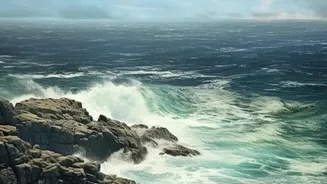
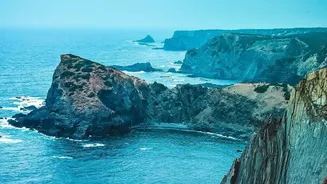
Coastal erosion, driven by rising sea levels, powerful storm surges, and human activities like coastal development, physically chews away at these vital habitats. When the land disappears, it's not just the ecosystem's ability to capture new carbon that is lost. The erosion process disturbs and washes away the ancient, carbon-rich soils. Once these soils are exposed to oxygen in the air or water, decomposition accelerates dramatically. Microbes that were dormant in the low-oxygen environment spring to life, breaking down the organic matter and releasing the long-stored carbon back into the atmosphere as carbon dioxide. This turns a powerful carbon sink into a carbon source, creating a dangerous feedback loop that can accelerate climate change.
India's Coastline on the Front Line
With over 7,500 kilometres of coastline, India has a significant stake in the health of its blue carbon ecosystems. From the vast Sundarbans mangrove forest in West Bengal to the seagrass meadows of the Gulf of Mannar, these environments are critical. However, a significant portion of this coastline is under threat. Studies from the National Centre for Coastal Research show that about one-third of India's shoreline is experiencing erosion. States like West Bengal, Kerala, and Tamil Nadu are particularly vulnerable. This erosion is driven by a combination of natural forces and human pressures, including poorly planned coastal construction, sand mining, and the destruction of natural barriers like mangrove forests for aquaculture and urban expansion. For example, between 1990 and 2001, Mumbai lost nearly 40% of its protective mangrove cover to urbanisation.
The Ripple Effect of Losing Our Sinks
The consequences of this degradation are twofold. Firstly, we lose the immense potential of these ecosystems to help India meet its climate goals by absorbing future emissions. Secondly, we risk releasing the vast quantities of carbon already stored, which could be equivalent to a significant percentage of emissions from global deforestation. The loss of these ecosystems also removes natural buffers that protect coastal communities from storm surges and flooding, a critical service in a nation prone to cyclones. It threatens the livelihoods of fishing communities who depend on the healthy habitats that mangroves and seagrasses provide as nurseries for fish. Protecting these areas is therefore not just an environmental issue but a matter of economic and social security.
A Path to a Resilient Coast
Addressing this challenge requires a shift in how we manage our coastlines. While engineered solutions like seawalls have been common, they often just shift the erosion problem elsewhere and can damage the local ecology. Experts increasingly point toward 'nature-based solutions' as a more sustainable path forward. This involves protecting and restoring the very blue carbon ecosystems that are at risk. Initiatives focused on mangrove plantation and conservation, like the national MISHTI programme, are crucial steps. Creating clear policies that incentivise the protection of these carbon sinks, resolving regulatory hurdles between different government departments, and involving local communities in conservation efforts are all essential to securing the future of these vital coastal allies. By preserving our blue carbon ecosystems, we protect ourselves from the impacts of a changing climate while ensuring they continue their silent, vital work of storing carbon.