



The Engine of Winter: Western Disturbances
The primary driver of winter in the Indian Himalayas is a weather phenomenon known as the Western Disturbance. These are extra-tropical storms originating over the Mediterranean Sea that travel eastward, picking up moisture. When they collide with the high
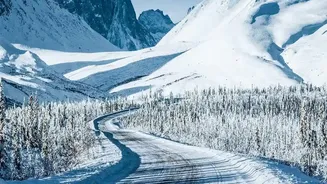
peaks of the Himalayas, they are forced to rise, cool, and deposit their moisture as snow. The frequency and intensity of these disturbances directly dictate the length and quality of the ski season. A winter with strong and regular Western Disturbances, typically from December to March, translates to consistent snowfall and a deep snow base in resorts like Gulmarg in Kashmir and Auli in Uttarakhand. In contrast, a weak or erratic pattern of these disturbances can lead to dry spells and a much shorter, less reliable season.
Not All Snow Is Created Equal
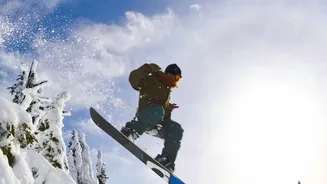
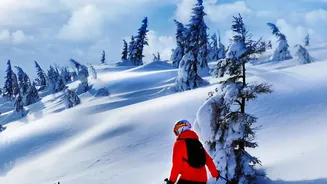
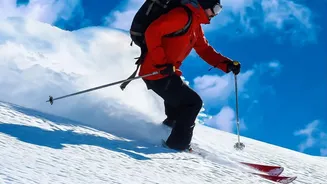
For skiers and snowboarders, the type of snow is just as important as the quantity. The holy grail is 'powder'—light, dry, and fluffy snow that forms in colder temperatures. This low-moisture snow creates a feeling of floating and provides a soft cushion for falls, making it ideal for all skill levels. The Himalayan powder, particularly in high-altitude areas like Gulmarg, is often compared to the finest in the world. However, weather fluctuations can create other, more challenging conditions. Warmer temperatures can lead to 'wet' or 'slushy' snow, which is heavy and can slow you down. Cycles of melting and refreezing create 'icy' or hard-packed surfaces, which are slippery and require more technical skill to navigate. Auli's south-facing slopes, for example, can be more prone to developing icy surfaces due to direct sun exposure.
Understanding the Snowpack
A ski season is built layer by layer. The 'snowpack' is the accumulation of all the snow that has fallen over the winter. Each storm adds a new layer, and the characteristics of these layers determine the stability of the entire snowpack. In regions like Kashmir, prolonged clear, cold periods between storms can cause weak, sugary layers of 'faceted' snow to form. When a subsequent storm deposits a heavy slab of new snow on top of this weak layer, it creates a prime scenario for avalanches. This is why backcountry safety in Gulmarg is taken so seriously, with a local avalanche advisory providing daily updates on snowpack stability. The backcountry terrain is unpatrolled and carries real risk, making it essential for skiers and boarders venturing off-piste to have proper training and equipment, including transceivers, shovels, and probes.
What This Means For Your Ski Trip
So, how do you use this knowledge to plan the perfect trip? The best conditions are typically found from mid-January to late February, when the snowpack is deep and the powder is most consistent. Gulmarg, with its high altitude and varied terrain accessed by the gondola, is renowned for its reliable powder conditions and long season. Destinations in Himachal Pradesh like Solang Valley also offer great skiing, though the season can vary. Before booking, and certainly before heading up the mountain, always check the local weather forecasts and, if venturing into the backcountry, the avalanche reports. Understanding that a beautiful bluebird day could follow a period of hazardous snowpack development is key to making safe decisions. A great ski season is a gift from nature, and appreciating its complexity makes the ride down all the more rewarding.