



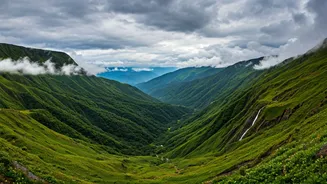



The Allure and Ambush of Monsoon Travel
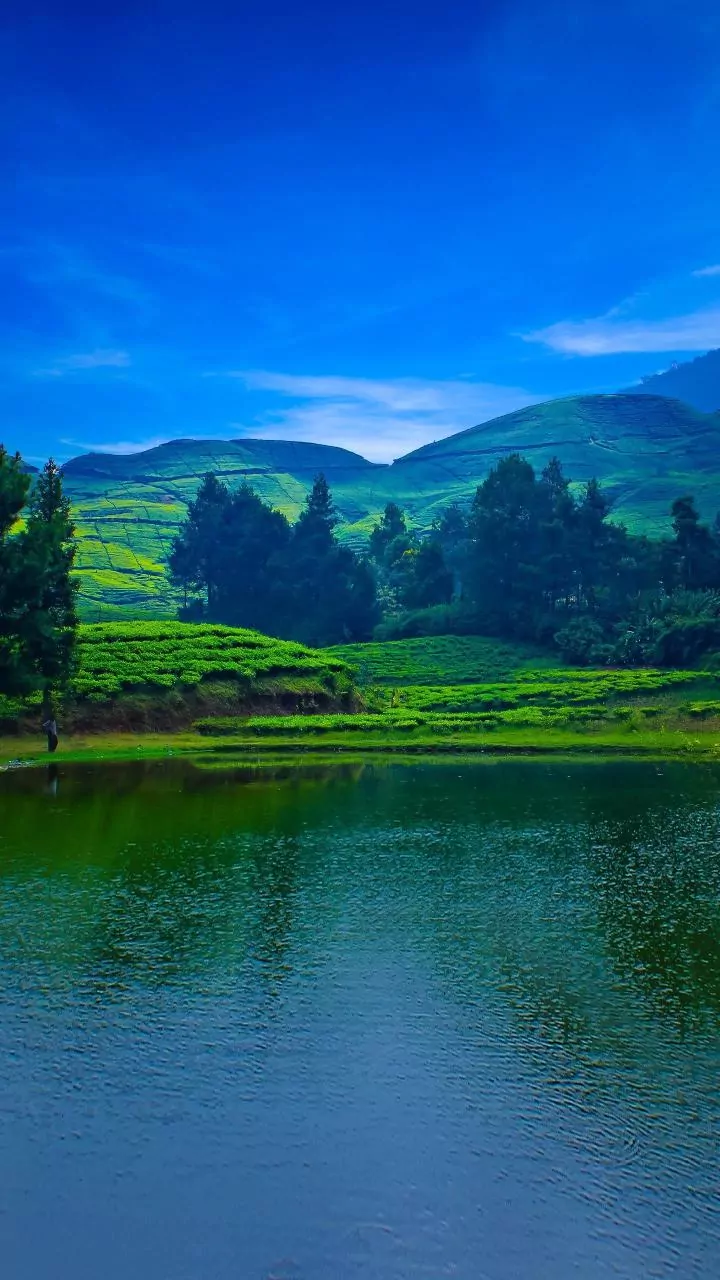
There's a reason why so many people are drawn to travelling during the monsoon. Destinations that are crowded and sun-scorched in summer transform into quiet, green havens. Hillsides come alive, waterfalls roar back to life, and the scent of wet earth
creates an atmosphere of pure bliss. From the tea gardens of Munnar to the coffee estates of Coorg, the landscape becomes incredibly picturesque. However, this seasonal magic is accompanied by significant risks. The same rains that create such beauty can also trigger landslides in hilly regions, cause flash floods, and lead to widespread travel disruptions, including flight delays and road closures. What starts as a scenic drive can quickly become a hazardous ordeal if you’re unprepared.
Why Forecasts Are Your Most Critical Tool
Treating a weather forecast as an optional step is one of the biggest mistakes a monsoon traveller can make. It is your single most important tool for a safe journey. Heavy rainfall warnings are not to be taken lightly, especially in vulnerable regions. In Himalayan states like Uttarakhand and Himachal Pradesh, or even parts of the Western Ghats like Munnar and Coorg, intense rain significantly increases the risk of landslides that can block roads for days, leaving tourists stranded. Recent monsoon seasons have seen recurring incidents of road collapses and floods, highlighting the very real dangers. Checking the forecast isn’t just about knowing if you need an umbrella; it's about understanding if your chosen destination is safe to travel to and from. An official alert can be the difference between a minor inconvenience and a serious emergency.
Decoding the Alerts: Your Guide to IMD Warnings
The India Meteorological Department (IMD) is the principal agency for weather forecasting in the country and your most reliable source for alerts. The IMD uses a simple colour-coded system to communicate the severity of weather events. A 'Green' alert means all is well. A 'Yellow' alert means 'Be Aware'—it signals potentially bad weather that could cause disruptions. An 'Orange' alert is a call to 'Be Prepared' for extremely bad weather that could disrupt travel, power, and pose a risk. A 'Red' alert means 'Take Action' and signifies a significant threat to life and property, often advising against travel entirely. As of late June 2026, the IMD has issued yellow and orange alerts for several regions, including Mumbai, parts of Kerala, and the northeastern states, due to the advancing monsoon.
Smart Planning Beyond the Forecast
While forecasts are key, a solid travel plan involves several other layers of preparation. First, choose your destination wisely. Some places, like Spiti Valley or parts of Rajasthan, fall in a rain shadow and remain largely dry. Others, like Lonavala or Mahabaleshwar in Maharashtra, are popular monsoon spots but require caution. Destinations prone to severe landslides, such as parts of Uttarakhand and Himachal Pradesh, are best avoided during peak rainy months. Always opt for flexible bookings for flights and hotels that allow for last-minute changes or cancellations. Pack waterproof bags for your electronics, quick-drying clothes, and a first-aid kit with basic medicines for common monsoon ailments. Sharing your itinerary with family or friends is another simple but crucial safety step.