



From Niche to Necessary
Remember when kombucha was that strange, fizzy drink only your most adventurous friend would try? Now, you can find it next to the cold drinks in your local grocery store. This is the most visible sign of a massive change: gut-friendly food has officially
gone mainstream. What was once a small corner of the wellness world, populated by health gurus and early adopters, is now a multi-billion dollar global industry influencing everything from restaurant menus to product development at major food companies. Consumers are no longer just counting calories; they're asking what their food is doing for them. This growing awareness is transforming gut health from a niche interest into a foundational pillar of everyday well-being, driving demand for foods that nourish from the inside out.
The Science of a Happy Gut
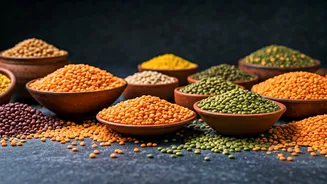
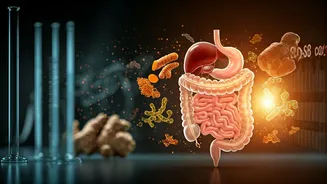
So, what's all the fuss about? At the heart of it is the gut microbiome—a complex ecosystem of trillions of bacteria, fungi, and other microbes living in your digestive tract. For years, we thought of bacteria as universally bad, but science now shows that a diverse and balanced community of 'good' bacteria is crucial for more than just digestion. It plays a vital role in our immune system, mood regulation (the 'gut-brain axis' is a real thing), and overall health. Probiotics are live, beneficial bacteria found in fermented foods like yogurt. Prebiotics, found in high-fibre foods like onions, garlic, and bananas, are the food that these good bacteria need to thrive. The goal isn't to sterilise your gut, but to cultivate a flourishing internal garden.
Rediscovering India’s Probiotic Pantry
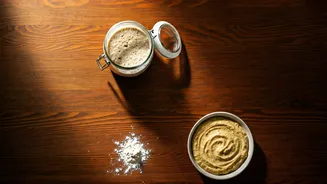
Here’s the fascinating part for us in India: this 'new' trend is, in many ways, a return to our roots. Long before kombucha became cool, Indian households were masters of fermentation. That simple bowl of dahi (yogurt) served with lunch is a powerful probiotic. The fermented batter for idli and dosa is not just for texture and taste; the fermentation process makes the nutrients more bioavailable and supports gut health. Think of the tangy kanji made from black carrots in the winter, or the vast array of homemade achars (pickles) that, when traditionally prepared, are teeming with beneficial microbes. We are now rediscovering the scientific wisdom embedded in our grandmothers' kitchens, realising that our traditional diet was inherently designed to be gut-friendly.
The New Wave of Ferments
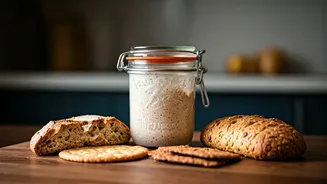
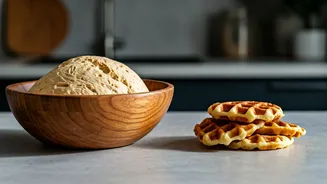
While we are re-appreciating our own food heritage, we are also embracing global gut-friendly foods with an Indian twist. A new generation of local entrepreneurs is brewing small-batch kombucha with flavours like hibiscus and jamun, making artisanal sourdough bread, and fermenting everything from kimchi to kefir. These products are finding a willing market, especially in urban centres, among consumers looking for both novelty and health benefits. This fusion shows that the gut health movement is not about abandoning old ways for new ones. Instead, it's about expanding our culinary toolkit, blending the time-tested wisdom of traditional Indian fermentation with exciting new techniques and flavours from around the world.
Beyond the Hype: A Balanced Approach
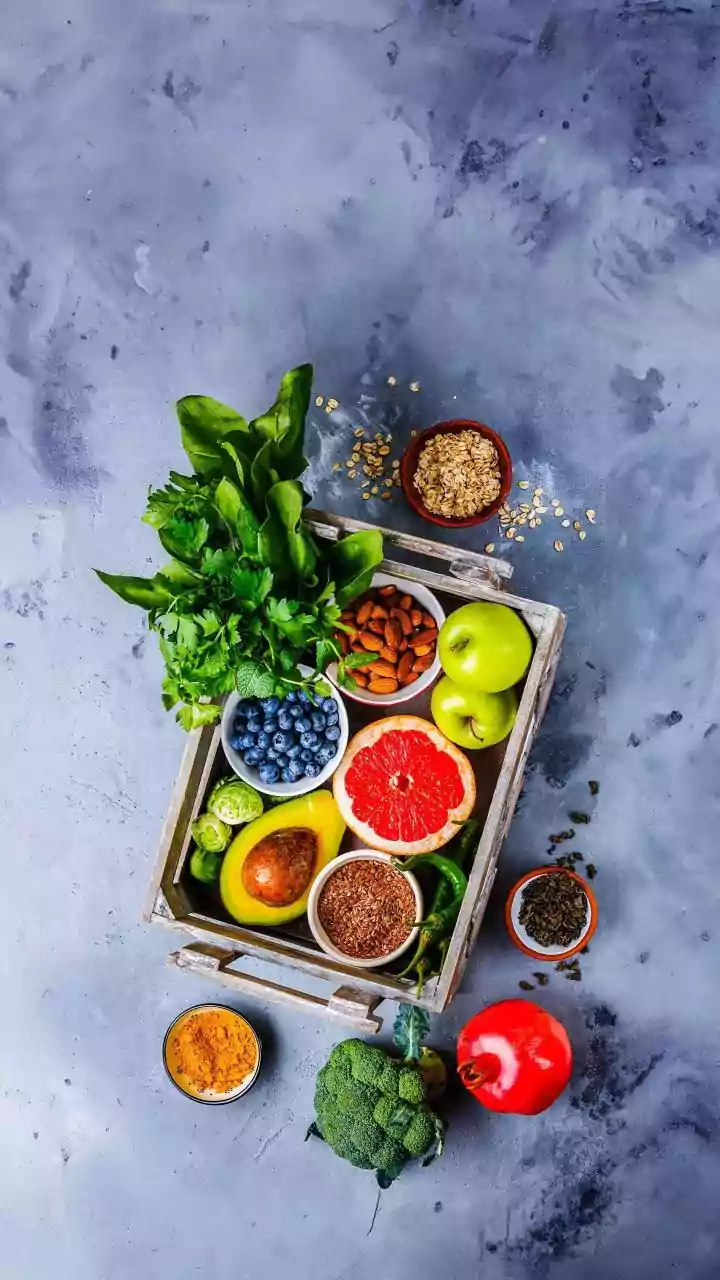
As with any popular trend, it's important to see past the marketing. You don't need to spend a fortune on exotic supplements or imported superfoods or imported superfoods to have a healthy gut. The rise of gut-friendly food is less about specific products and more about a mindset. It encourages us to eat a wider variety of whole foods, especially those rich in fibre and natural ferments. The true value of this movement is its push towards mindful eating and an appreciation for food that is both delicious and functional. It's a reminder that good health often starts with simple, sensible choices on your plate.