






Understanding Your Body's Clock
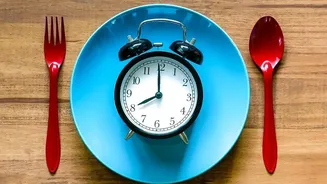
Every cell in your body runs on a 24-hour internal clock known as the circadian rhythm. This natural cycle tells your body when to wake up, feel tired, and, importantly, when to digest food. It's regulated primarily by light and dark. When the sun is up, your body is primed
for activity and eating. At night, it expects to rest and repair. Your digestive system is part of this rhythm; it's most efficient during the day and slows down significantly at night. Healthy humans tend to have minimal gut activity during the night, which is why late-night eating can often feel 'heavy'.
How Shift Work Disrupts the Rhythm
Shift work forces your body into a state of 'circadian misalignment'. You are eating, working, and staying alert when your internal clock is screaming for sleep. This confusion doesn't just make you tired; it wreaks havoc on your internal systems. Your digestive tract, expecting downtime, is suddenly tasked with processing meals at odd hours. This disruption is a primary reason shift workers report more digestive problems like bloating, constipation, and that all-too-familiar burning sensation of acidity. Studies show that working against this natural clock increases the risk for a range of health issues, including obesity, heart disease, and diabetes.
The Link to Acidity and Metabolism
When you eat late at night, your digestive system is not prepared. Food can sit in your stomach for longer, potentially leading to increased acid production and indigestion. Furthermore, this misalignment messes with your metabolic health. Research has shown that eating at night impairs the body's ability to process sugar, leading to higher blood sugar levels. Over time, this can worsen insulin sensitivity and contribute to weight gain, particularly around the waist, and increase the risk of developing metabolic syndrome.
Practical Tips for Circadian Eating
The key is to align your eating schedule as closely as possible with a typical day-night cycle, even when your work schedule is inverted. This strategy is often called 'time-restricted eating'. The goal is to eat only during your most active hours and give your digestive system a long break overnight. One study found that restricting meals to the daytime prevented the rise in blood sugar commonly seen in night shift workers. Have Your Main Meal Before Your Shift: Eat a substantial, balanced meal at home before you leave for work, perhaps around a typical dinner time. This should be your largest meal of the day. Snack Smartly During Your Shift: If you get hungry at work, opt for small, light, protein-rich snacks instead of a large, heavy meal. Think nuts, yogurt, fruit, or a hard-boiled egg. These provide sustained energy without overwhelming your resting digestive system. Avoid Eating in the Deep Night: Try to avoid eating between midnight and 6 a.m. This is when your circadian rhythm is at its lowest point, and your digestive system is least prepared for food. Have a Light Post-Shift Meal: After your shift, instead of a large 'breakfast', have a very small, light meal or a protein shake before you go to sleep. This prevents you from waking up hungry without taxing your system.
Beyond Diet: Other Supporting Habits
While food timing is crucial, other habits can support your circadian health. Try to create a consistent sleep schedule, even on your days off. Use blackout curtains and eye masks to make your bedroom as dark as possible for daytime sleep, signaling to your brain that it's time to rest. Staying well-hydrated is also essential, as dehydration can be mistaken for hunger and lead to fatigue. Finally, limit caffeine intake to the first half of your shift to avoid it interfering with your sleep later on.