



The Science Behind the Hack
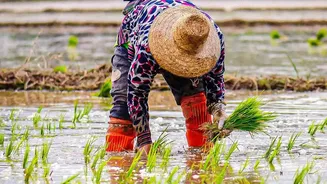
Rice water is not a complete fertilizer, but it acts as a valuable supplement. The liquid contains small amounts of nitrogen, phosphorus, and potassium (NPK), which are crucial for plant vitality. The primary benefit, however, comes from its starch content.
This starch feeds beneficial microorganisms and fungi in the soil. These microbes help improve soil structure, making it easier for roots to absorb nutrients and water. Fermenting the rice water for a few days can make these nutrients even more accessible to plants and introduce beneficial bacteria.
How to Prepare Rice Water
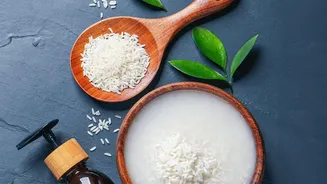
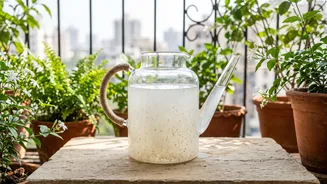
There are a few simple ways to collect rice water. The most common method is to use the water from rinsing uncooked rice. Before cooking, wash your rice in a bowl of water, gently swishing the grains. The water will turn cloudy and white. This is the liquid you want to save. Alternatively, you can use the water left over after boiling rice, but only if you have not added any salt, oil, or spices, as these can harm your plants. For a more potent mixture, you can ferment the rinse water. Simply leave it in a loosely covered jar at room temperature for two to five days until it develops a slightly sour smell.
Application: Getting It Right
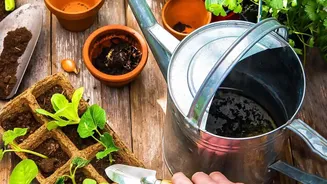
How you apply rice water is key to its success. Fresh, unfermented rice water from rinsing can often be used directly, though many gardeners prefer to dilute it. A dilution ratio of 1:1 (one part rice water to one part fresh water) is a safe starting point. Fermented rice water is more concentrated and should always be diluted, with ratios ranging from 1:5 to 1:10. Use the mixture to water the soil at the base of your plants. Avoid using it more than once every two to four weeks during the growing season. It should supplement, not replace, your regular watering schedule.
Which Plants Benefit the Most?
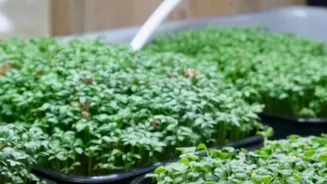
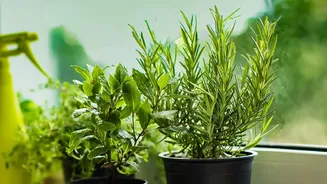
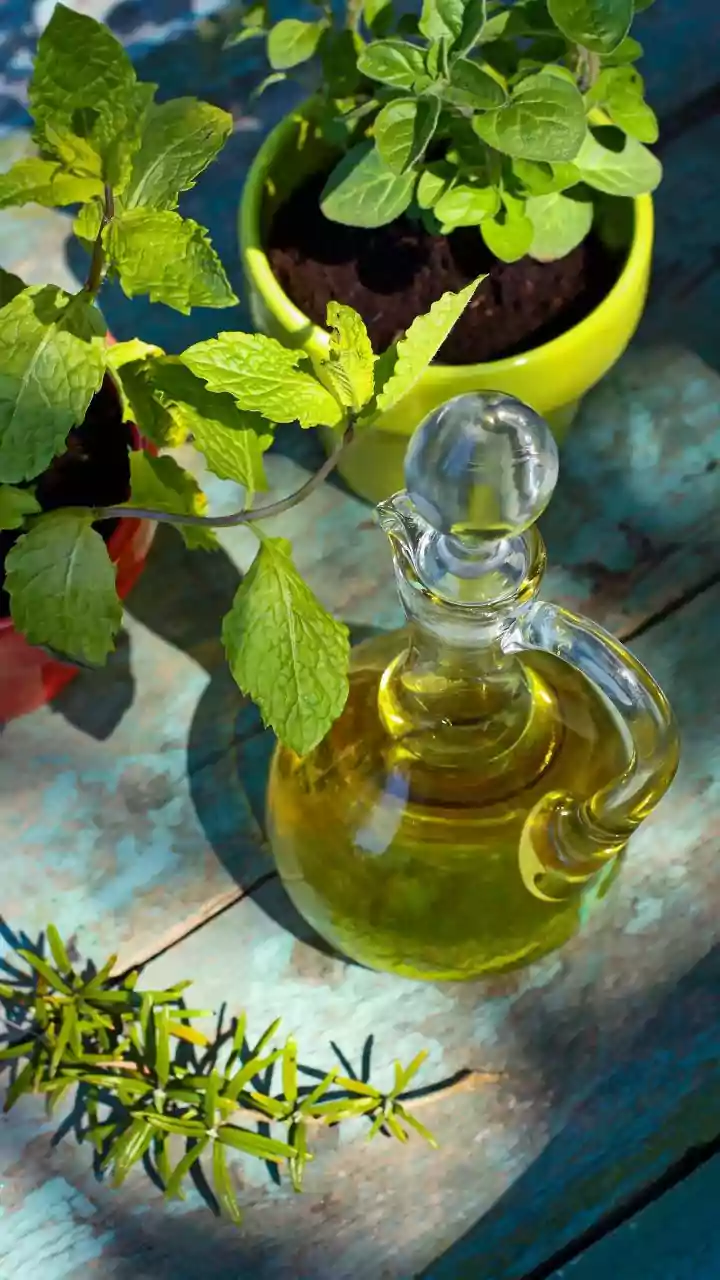
Many common indoor plants and kitchen herbs respond positively to this treatment. Leafy houseplants like pothos, peace lilies, monsteras, and spider plants often show more vigorous growth and shinier leaves. Kitchen herbs such as basil and mint, along with vegetables like tomatoes and peppers, also thrive with the occasional rice water boost. Even delicate plants like orchids can benefit, though care must be taken to use a well-diluted mixture and to wipe any starchy residue off the leaves to ensure they can photosynthesize properly. Succulents, which prefer dry conditions, should receive rice water very sparingly.
Important Precautions to Keep in Mind
While beneficial, rice water isn't without its risks if used improperly. The most critical rule is to never use water from rice that has been salted. Salt buildup is extremely damaging to plant roots. Over-application is another common mistake. Using it too frequently or in a too-concentrated form can lead to a starchy buildup on the soil surface, which may attract pests like fungus gnats or cause mold to grow. In poorly drained pots, the excess organic matter can also contribute to root rot. Some sources also note that rice can absorb arsenic from the soil it's grown in, which may accumulate in your plant's soil over time with frequent use. For this reason, moderation is essential.