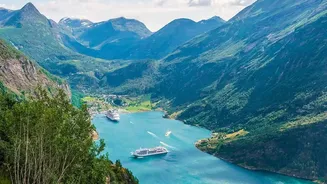


Beyond the famous fjords, Norway’s coastline is scattered with thousands of islands, each a world of its own. Here, we explore five island destinations that offer more than just dramatic scenery—they provide a true sense of place and context.
The Lofoten Islands: Picture-Perfect Drama
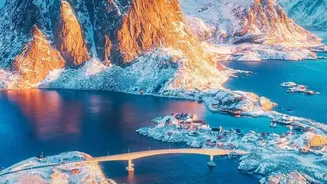
It’s impossible
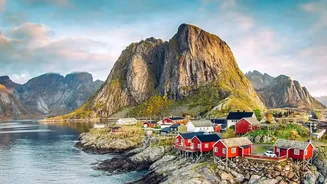
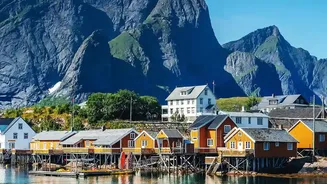
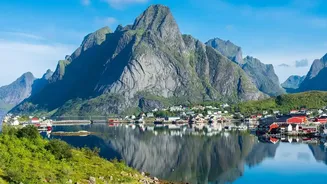
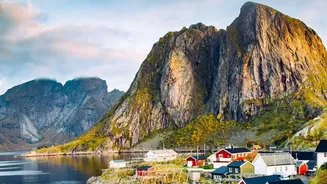
to discuss Norwegian islands without starting with Lofoten. This world-famous archipelago, located above the Arctic Circle, is the Norway of postcards. Jagged, snow-dusted peaks rise directly from the sea, sheltering small fishing villages with their iconic red cabins, known as 'rorbuer'. Originally used by fishermen, many are now converted into charming accommodation for visitors. The main road, the E10, winds its way through the islands, connecting them via bridges and tunnels and making for an epic road trip. Lofoten is a year-round destination; visit in summer to experience the midnight sun, where daylight stretches for 24 hours, or come between September and April for a chance to witness the magical Northern Lights. Beyond the views, the islands have a rich Viking history, with the Lofotr Viking Museum featuring a reconstructed 83-metre-long longhouse, the largest ever found. Activities range from hiking and kayaking to surfing the surprisingly good waves at Unstad.
Senja: Norway in Miniature
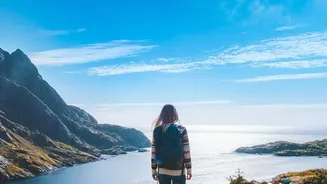
Often overshadowed by its famous neighbour, Lofoten, Senja is Norway’s second-largest island and a destination that packs the entire country's diverse landscapes into one place. Its outer coast is wild and dramatic, with sharp mountains like the iconic peak of Segla plunging into the ocean. The inner coast, by contrast, is lush and gentle, with rolling hills and peaceful farmland. This diversity makes it a paradise for outdoor enthusiasts who prefer fewer crowds. You can drive the Norwegian Scenic Route Senja, a 100-kilometre road that hugs the rugged coastline, offering breathtaking viewpoints like Tungeneset and Bergsbotn. In winter, Senja is an excellent spot for viewing the Northern Lights due to low light pollution, and activities like dog sledding are popular. The island also has a deep-rooted fishing culture, with small, active villages like Gryllefjord and Husøy providing a glimpse into authentic coastal life.
Svalbard: The Arctic Wilderness
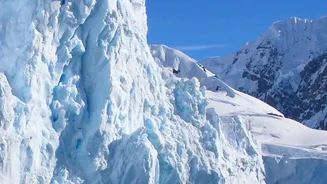
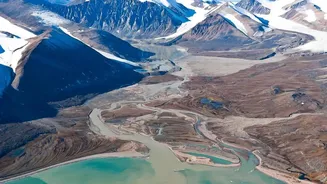
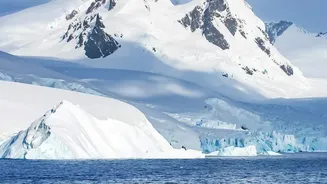
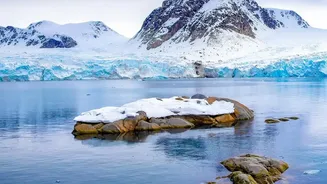
For a truly different kind of island experience, head to Svalbard. This remote archipelago lies halfway between mainland Norway and the North Pole, a realm of glaciers, vast ice fields, and profound silence. Svalbard is one of the best places in the world to experience the raw power of the Arctic. It is most famous as the kingdom of the polar bear. While sightings are never guaranteed and strictly regulated for conservation, the possibility of spotting one in its natural habitat is a major draw for visitors. Expedition cruises are the primary way to explore the wilderness, navigating through ice-filled fjords and past towering glacier fronts. Beyond polar bears, the islands are home to walruses, Arctic foxes, and vast colonies of seabirds. The main settlement, Longyearbyen, offers a surprising range of amenities and serves as the base for activities like snowmobiling, ice caving, and dog sledding. Visiting Svalbard is less a vacation and more an expedition into one of Earth's last great wildernesses.
Vesterålen: The Whale Kingdom
Just north of Lofoten lies Vesterålen, an archipelago with a gentler, more rounded landscape but no less beauty. Its primary claim to fame is its status as a year-round whale-watching destination, one of the best in Europe. Thanks to its proximity to the deep-water continental shelf, the waters here are rich feeding grounds. In summer, you have a high chance of seeing sperm whales, while winter brings migratory humpback whales and orcas that follow herring into the fjords. The main hub for whale safaris is Andenes, on the northern tip of Andøya island. But Vesterålen is more than just whales. It offers scenic hiking trails like the Queen's Route (Dronningruta), charming fishing villages like Stø and Nyksund, and a more tranquil atmosphere than its southern neighbour. It’s a place to connect with marine wildlife and enjoy the quiet beauty of the Arctic coast.
Sommarøy: The Summer Island
An hour’s drive from Tromsø, the small fishing island of Sommarøy lives up to its name, which translates to 'Summer Island'. What makes this place so special is its stunning, almost Caribbean-like scenery: powdery white sand beaches and shimmering turquoise water, all set against a backdrop of dramatic Arctic peaks. During the summer, from late May to late July, the island is bathed in 24-hour daylight thanks to the midnight sun. This constant light famously inspired a local campaign to become a 'time-free zone', reflecting a lifestyle dictated by the sun, not the clock. Whether you're kayaking in the calm waters between islets, hiking to the Ørnfløya viewpoint for panoramic views, or simply enjoying a picnic on the beach at 2 a.m., Sommarøy offers a unique sense of Arctic freedom. In winter, it transforms into a prime location for watching the Northern Lights dance over the snowy landscape.