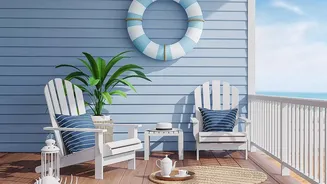







The dream of a coastal home often includes natural textures that echo the shore. Stone and pebbles can bring that organic, seaside calm indoors, but using them effectively requires more than just good taste. Here’s what to keep in mind.
Choose the Right Material
Not all stones
are created equal for a coastal aesthetic. Softer, more porous stones like sandstone offer a warm, rustic look but may require sealing to prevent stains and moisture damage, especially in humid climates. Harder stones like granite are famously durable and resist wear from salty air and moisture, making them ideal for high-traffic areas or exteriors. For a sleek, modern coastal look, options like quartz in sandy beiges or crisp whites can mimic a beachy feel with the added benefit of being low-maintenance and highly durable. Lighter stones such as limestone and travertine are also popular choices for their ability to withstand coastal conditions while providing an authentic, weathered look.
Balance Texture with Comfort
The tactile nature of pebbles is a huge part of their appeal, but it's crucial to place them where they can be appreciated without causing discomfort. A full pebble floor in a living room, for instance, might be difficult to walk on barefoot. Instead, consider using pebbles for an accent wall, a shower floor, or a bathroom backsplash. Sliced pebble tiles offer a flatter, more comfortable surface while retaining a textured look. These materials provide excellent grip, making them a safe and stylish option for wet areas like shower floors. For decorative touches, pebbles can be used as filler in clear vases, as a base for candles, or arranged as a placemat or trivet, adding a natural element without affecting comfort.
Understand the Maintenance
Stone and pebble surfaces require specific care to keep them looking their best. The gaps between individual pebbles can trap dust, soap scum, and dirt, requiring regular cleaning. For indoor features, a weekly wipe-down with a damp cloth may suffice. For outdoor pebbles or those in a bathroom, a gentle scrub with a mild, pH-neutral cleaner is recommended, as acidic solutions like vinegar can damage natural stone over time. Polished pebbles might lose their shine and may need to be resealed every one to two years to protect them from moisture and stains. In humid areas, especially during monsoon season, algae or moss can grow on outdoor pebbles, which may require cleaning with a diluted vinegar solution or a commercial algae remover.
Factor in Weight and Installation
Natural stone is heavy. Before planning a large feature like an accent wall, it's important to ensure the underlying structure can support the weight. While smaller DIY projects like pebble art are straightforward, installing a full stone or pebble tile wall is often a job for professionals. If you love the look but are concerned about weight and complexity, stone veneer is a lighter, more affordable alternative that mimics the appearance of natural stone. A professional installation ensures the surface is properly prepared with moisture barriers and that the stones are securely adhered, preventing issues down the line.
Consider the Cost
The budget for stone and pebble details can vary dramatically. Small DIY projects using collected beach pebbles can be virtually free. However, for larger installations, the costs add up. Natural stone is generally more expensive than manufactured alternatives. For example, a professionally installed stone accent wall can cost hundreds or even thousands, depending on the material and size. Stone veneer offers a more budget friendly option, with materials costing significantly less per square foot than natural stone slabs. Remember to factor in the cost of labour, adhesives, grout, and sealant when planning your project.
Create a Cohesive Design
The key to successfully using stone and pebbles is integration. These strong textures should complement, not overwhelm, your coastal theme. Pair stone features with classic coastal elements like light woods, rattan furniture, and a colour palette of whites, blues, and sandy neutrals. A stone accent wall can serve as a beautiful backdrop for a bed, while a pebble linet water feature can bring a sense of tranquility to a garden or patio. The goal is to create a harmonious space where the ruggedness of the stone balances the softness of other textiles and the airiness of the coastal style.