








First Steps: Registration and Dates
The Amarnath Yatra is a highly organised pilgrimage with a mandatory registration process. For the 2026 Yatra, which runs from July 3rd to August 28th, registration is essential. You can register online through the official Shri Amarnathji Shrine Board
(SASB) website (jksasb.nic.in) or offline at designated bank branches. The registration fee is ₹150 per pilgrim. A key requirement for registration is a Compulsory Health Certificate (CHC), which must be issued by an authorised doctor or hospital after April 8, 2026. This certificate confirms your fitness for the high-altitude trek. Once registered, you will be issued a Yatra Permit and a mandatory RFID card for tracking and safety.
Health, Fitness, and Acclimatisation
The trek to the holy cave, situated at an altitude of 3,888 metres (12,756 feet), is physically demanding. It is crucial to prepare your body well in advance. Start a fitness routine at least a month before your journey, focusing on walking or jogging to build stamina. Breathing exercises like pranayama can also be beneficial for high-altitude conditions. The eligibility criteria set by the SASB restricts the Yatra to individuals between 13 and 70 years of age, and women more than six weeks pregnant are not permitted. Acclimatisation is key to avoiding altitude sickness. Plan to arrive in Jammu or Srinagar a day or two before starting your trek to allow your body to adjust to the altitude.
Choosing Your Route: Pahalgam vs. Baltal
There are two main routes to the Amarnath cave: the traditional Pahalgam route and the shorter Baltal route. The Pahalgam route is longer, around 46-48 km, and typically takes 3 to 5 days to complete. It is a more scenic and gradual climb, making it the recommended choice for first-timers, families, and senior citizens. The Baltal route is much shorter at about 14 km but is very steep and arduous. It can be completed in a day or two and is preferred by younger, fitter pilgrims or those short on time. Your choice will depend on your fitness level, time constraints, and the kind of experience you seek.
Essential Packing for the Yatra
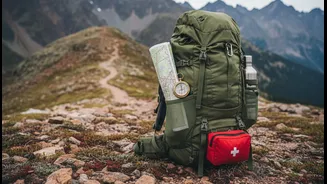
Packing smart is crucial for a comfortable journey. The weather in the Himalayas is unpredictable and can change rapidly. Layering is the best approach. Pack warm clothing like thermal wear, fleece jackets, and a waterproof windbreaker. Sturdy trekking shoes with good grip are non-negotiable, as the paths can be uneven and slippery. Other essentials include woolen socks, gloves, a cap, sunscreen, and sunglasses to protect against strong UV rays at high altitudes. Carry a small backpack with a rain cover for your essentials. Also, pack a personal first-aid kit with any prescribed medications, painkillers, bandages, and remedies for motion sickness or altitude sickness.
On the Trail: Accommodation and Facilities
The authorities make extensive arrangements for pilgrims. Numerous transit camps are set up along both routes, providing tented accommodation and essential facilities. These camps are secured by police and security forces to ensure safety. Free community kitchens, known as 'langars', are run by volunteer organisations at various points, offering hot meals and refreshments to pilgrims. While these facilities are available, it's wise to carry your own energy-boosting snacks like dry fruits and glucose packets, along with a reusable water bottle to stay hydrated. Always stay in the designated camps and follow the instructions provided by security personnel.