





From Kitchen Staple to Viral Star
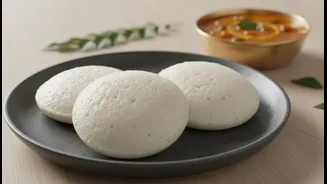
For generations, the idli has been a quiet, dependable presence in countless Indian homes. It’s the healthy breakfast, the comforting meal when you’re unwell, the reliable tiffin box companion. But recently, this unassuming dish has found a new, global
stage. It’s starring in viral videos, getting deconstructed by Michelin-starred chefs, and earning its own Google Doodle. This isn’t just about one video or post; it’s an accumulation of cultural moments. We’ve seen everything from creative ‘idli burgers’ to polarizing ‘idli ice cream’ trends lighting up the internet. While some fusion experiments leave purists aghast, they all contribute to a constant, churning online conversation that has pushed the idli far beyond its traditional boundaries and into the global digital consciousness.
The Anatomy of a Perfect Food
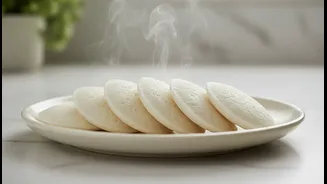
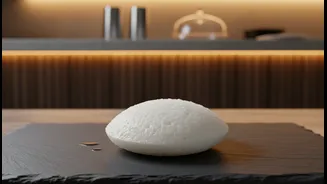
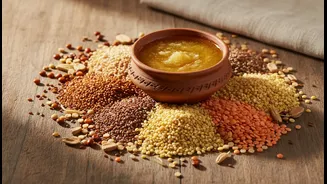
So, why idli? And why now? Part of the answer lies in its inherent qualities. An idli is a marvel of food science. Made from a fermented batter of rice and lentils, it is steamed, not fried, making it incredibly light and low in fat. The fermentation process does more than just make the cakes fluffy; it breaks down starches for easy digestion and enriches the food with B vitamins and probiotics, which are beneficial for gut health. In a world increasingly obsessed with wellness, gluten-free options, and plant-based nutrition, the idli ticks all the boxes. It’s a naturally healthy food that doesn’t need to be engineered or marketed as such; its goodness is built into its very structure. This makes it the perfect dish for a health-conscious global audience.
The New Wave of Indian Cuisine
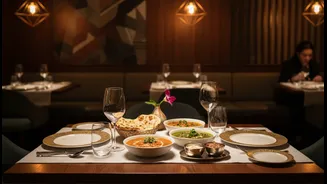
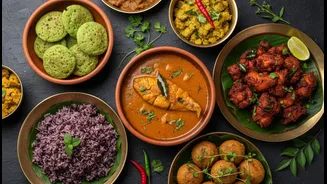
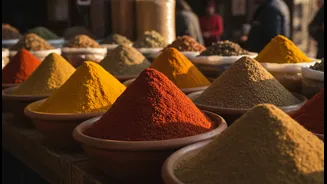
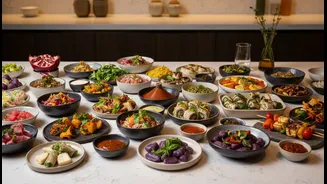
Idli’s ascent is also part of a larger, exciting shift in how the world sees Indian food. For decades, the global understanding of Indian cuisine was often limited to a few North Indian staples like butter chicken and naan. Now, thanks to a vocal diaspora, adventurous international chefs, and visually-driven social media, regional Indian foods are finally getting their due. Chefs at celebrated restaurants like New York’s Semma are showcasing authentic South Indian dishes, proving that regional flavours have a place in high-end global dining. This new wave is about celebrating specificity over generalisation. It’s a move away from a monolithic idea of 'Indian food' and towards an appreciation of the subcontinent's staggering diversity, from Keralan seafood to Goan curries and, of course, the perfect South Indian idli.
A Symbol of Cultural Confidence
At its heart, the idli’s journey from a regional staple to a global trend is a story of cultural confidence. It signifies a moment where everyday Indian culture is being exported, not just as an exotic novelty, but as a valuable contribution to the global conversation about food, health, and heritage. Each shared photo of a perfectly plated idli-sambar breakfast or a creative new take on the dish is a small act of cultural assertion. It challenges the dominance of Western breakfast norms and proudly presents an alternative that is ancient, nutritious, and delicious. The idli has always been a superstar in Indian kitchens; the only difference is that now, the whole world is being invited to the table.