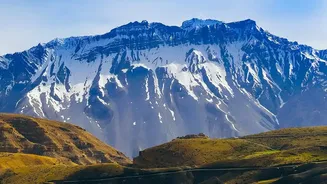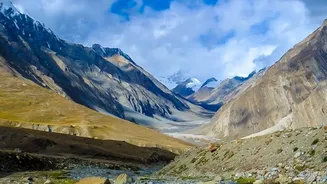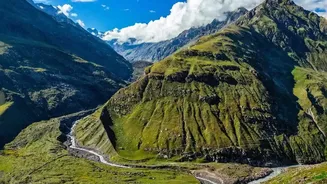





Understanding the Monsoon Challenge
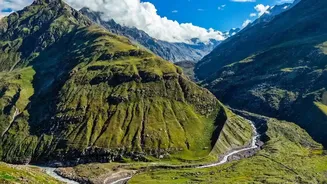
Spiti Valley itself is a rain-shadow area, meaning it receives very little rainfall. The challenge lies in getting there. The approach roads, especially the Shimla-Kinnaur route and the Manali-Kaza route, are highly susceptible to monsoon fury. Recent
weather reports for August 2026 indicate heavy rainfall alerts for Himachal Pradesh, which can lead to flash floods and landslides, causing significant road blockages. Travellers must be prepared for long delays and the possibility of getting stranded. Flexibility is key; always add a few buffer days to your itinerary.
The Right Route: Shimla vs. Manali
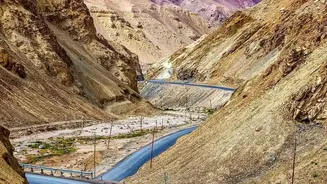
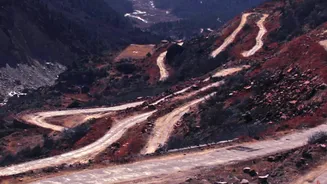
During the rainy season, the Shimla-Kaza highway is widely considered the safer and more reliable option. It ascends gradually, which helps with acclimatization, and while it's not immune to landslides, especially around the Malling Nallah and Wangtu stretches, it generally remains more stable than the alternative. The Manali-Kaza route, via Rohtang and Kunzum Pass, is often closed or extremely perilous in August due to slush, water crossings, and a higher risk of blockades. This route is best attempted only by highly experienced mountain drivers and bikers, preferably in a 4x4 vehicle.
Essential Gear and Packing List
Packing for Spiti requires thinking in layers, even in summer. Daytime temperatures might be pleasant, but they drop significantly at night. Your packing list must include a waterproof and windproof jacket, multiple fleece layers, and thermal innerwear. Sturdy, waterproof trekking shoes with good grip are non-negotiable. Other essentials include UV-protection sunglasses, high-SPF sunscreen, lip balm, and a moisturiser to combat the dry, cold air. Don't forget a reliable power bank, as electricity can be erratic, and a torch or headlamp.
Health and Altitude Sickness (AMS)
Acute Mountain Sickness (AMS) is a serious risk in Spiti, where you'll be consistently above 3,500 metres. Symptoms include headache, nausea, dizziness, and fatigue. The best prevention is gradual acclimatization. The Shimla route is better for this than the Manali route. Stay well-hydrated, avoid alcohol, and get adequate rest. It is advisable to carry a basic first-aid kit with medicines for headache, fever, and stomach issues. While some travellers carry Diamox for AMS, it is crucial to consult a doctor before your trip about its usage and potential side effects.
Vehicle and Road Preparedness
If you are self-driving or riding, ensure your vehicle is in top condition—especially the tyres, brakes, and wipers. A vehicle with high ground clearance is highly recommended. Given the unpredictable road closures, always carry extra fuel, as petrol pumps are scarce. The main fuel stations are in Reckong Peo and Kaza. For bikers, gumboots are essential for navigating the numerous water crossings. Always start your day early to cover maximum distance in daylight and to cross streams when the water flow is at its lowest. Driving at night is extremely dangerous and should be avoided.
Connectivity, Cash, and Itinerary
Mobile connectivity is sparse. BSNL and Jio have the best, albeit intermittent, coverage, which is mostly limited to major towns like Kaza and Tabo. Do not rely on digital maps; download offline maps before you start. ATMs are few and often out of cash, so carry enough currency for your entire trip. Be prepared for your itinerary to change. Landslides can block roads for hours or even days. Check with local authorities or online travel forums for real-time road status updates before starting each leg of your journey.