






Understanding the Surge
To cater to the heavy passenger rush, especially on key routes connecting Maharashtra with states like Uttar Pradesh and Bihar, Central Railway has extended the operation of 216 special train services. This includes 150 daily services and 66 weekly ones,
continuing through to the end of September 2026 for some popular routes like the Pune-Danapur Special. These extensions are a direct response to increasing travel demand, providing more options for commuters and long-distance travelers. The good news for passengers is that the schedules remain unchanged; the timings, routes, and stoppages for these extended services will be the same as their existing timetables. This consistency helps in planning, but the challenge of securing a ticket remains as high as ever due to the sheer volume of people trying to book.
Tip 1: Prepare Your Digital Toolkit
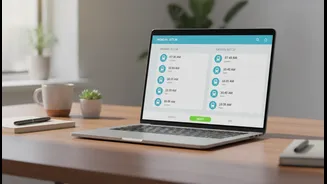
In the world of online train booking, speed is everything. Last-minute fumbling for details is a guaranteed way to miss out. Before bookings even open, ensure your IRCTC account is set up and active on the official website or the IRCTC Rail Connect app. A crucial step is to create a 'Master List' of passengers. This feature allows you to save the names, ages, and ID details of all travelers in your group beforehand. When it’s time to book, you can populate these details with a single click, saving precious seconds that could make the difference between a confirmed berth and a long waitlist. Also, ensure your preferred payment method, whether it's UPI, a credit card, or a digital wallet, is set up and has sufficient funds. Payment gateways can slow down under heavy traffic, so having a fast and reliable option ready is vital.
Tip 2: Master the Clock and the Calendar
The golden rule of train booking is to book the moment the window opens. For most regular and special trains, the Advance Reservation Period (ARP) is 120 days. Tickets become available at 8:00 AM IST. For last-minute travel, the Tatkal quota is your best bet. Bookings for Tatkal tickets open at 10:00 AM for AC classes and 11:00 AM for non-AC classes, just one day before the train's departure. Set an alarm for a few minutes before the booking window opens. Log into your IRCTC account in advance and keep your journey details ready on the search page. As soon as the clock strikes, hit search and proceed. Remember, millions of others are doing the same, and the Tatkal quota, in particular, can get exhausted within minutes, if not seconds.
Tip 3: Think Beyond the Obvious
If your primary train and class are fully booked, don't give up. A little flexibility can go a long way. First, check availability in different classes on the same train. You might find an open berth in a higher or lower class. Next, explore alternative routes. A train to a nearby major station could be a viable option, from where you can complete your journey via local transport. Some experienced travelers use a 'split booking' strategy. If a direct ticket from your origin to destination isn't available, try booking for a portion of the journey. For example, book from your starting point to a major intermediate station, and then a separate ticket from that station to your final destination on the same train. This can sometimes open up seats allocated under different station quotas.
Tip 4: Use Official Channels and Be Wary of Touts
Always book your tickets through the official IRCTC website (irctc.co.in), the IRCTC Rail Connect mobile app, or authorised counters at railway stations. Be extremely cautious of unauthorized agents or touts who promise confirmed tickets for an exorbitant fee. Many of these are scams, and even if they do provide a ticket, it may have been procured through illegal software, which can cause issues later. To curb the menace of touting, especially for Tatkal bookings, the railways have measures in place, but vigilance from passengers is the first line of defense. If you face any issues or have a complaint, use the official RailMadad portal or app to register your grievance.