



1. Ignoring Weather Alerts and Forecasts
The most significant error travellers make is underestimating the monsoon's power. Treating heavy rain as a minor inconvenience rather than a trip-altering event is a recipe for disaster. Before you leave and each morning of your trip, check official
weather warnings from the India Meteorological Department (IMD) and local news. These alerts provide crucial information on heavy rainfall, potential flooding, and landslides, especially in hilly or coastal areas. Ignoring them can lead to getting stranded or, worse, caught in a dangerous situation.
2. Choosing a Landslide-Prone Destination
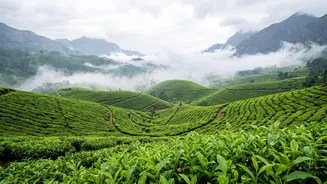
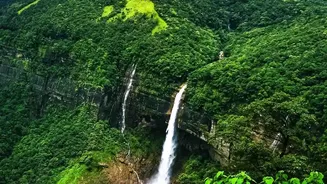
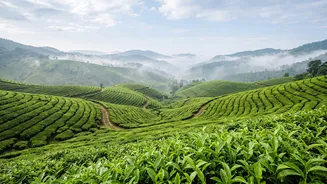
While hill stations look breathtakingly beautiful in the rain, not all are safe. Regions prone to landslides can become inaccessible and hazardous after sustained downpours. Instead of risking a trip to notoriously fragile mountain areas, consider safer alternatives. Destinations on plateaus like Lonavala, Mahabaleshwar, or in the Aravalli hills like Udaipur are generally more stable. Parts of Kerala like Munnar and Wayanad, and Coorg in Karnataka are also popular, but it's vital to check local conditions as some specific zones may be under restoration. Rain-shadow regions like Ladakh are almost entirely unaffected by the monsoon, offering a completely different kind of adventure.
3. Packing the Wrong Clothes and Gear
Your packing strategy can make or break a monsoon trip. Cotton and denim are poor choices as they take a long time to dry in the humid weather. Instead, opt for lightweight, synthetic, and quick-drying clothes. A reliable waterproof jacket or raincoat is non-negotiable. Equally important is waterproof footwear with good grip to navigate slippery paths. Don't forget to protect your valuables; use waterproof bags or pouches for your electronics, wallet, and important documents. A portable power bank is also a wise addition, as power cuts can be common during heavy storms.
4. Not Building Flexibility Into Your Itinerary
A rigid, tightly packed schedule is a setup for disappointment during the monsoon. Roads can get blocked, trains might be delayed, and sightseeing spots may close with little notice due to weather conditions. The key is to have a flexible plan. Keep a buffer day if possible and have backup options for activities. If your planned trek is cancelled, perhaps a cozy day exploring a local market or relaxing at your hotel could be just as enjoyable. The goal is to embrace the slower pace that the season often dictates.
5. Forgetting Health and Hygiene Precautions
The monsoon season brings a higher risk of waterborne and mosquito-borne diseases like dengue and malaria. One of the biggest mistakes is consuming street food or drinking tap water without precautions. Stick to bottled or boiled water and eat at reputable restaurants that serve freshly cooked food. Carry mosquito repellent and consider wearing long-sleeved clothing, especially during the evening. Also, maintain personal hygiene by washing your hands frequently with soap or using a sanitiser. Avoid walking through stagnant water, which can be a breeding ground for bacteria.
6. Driving in Risky Conditions Yourself
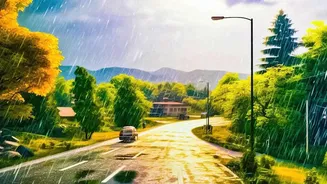
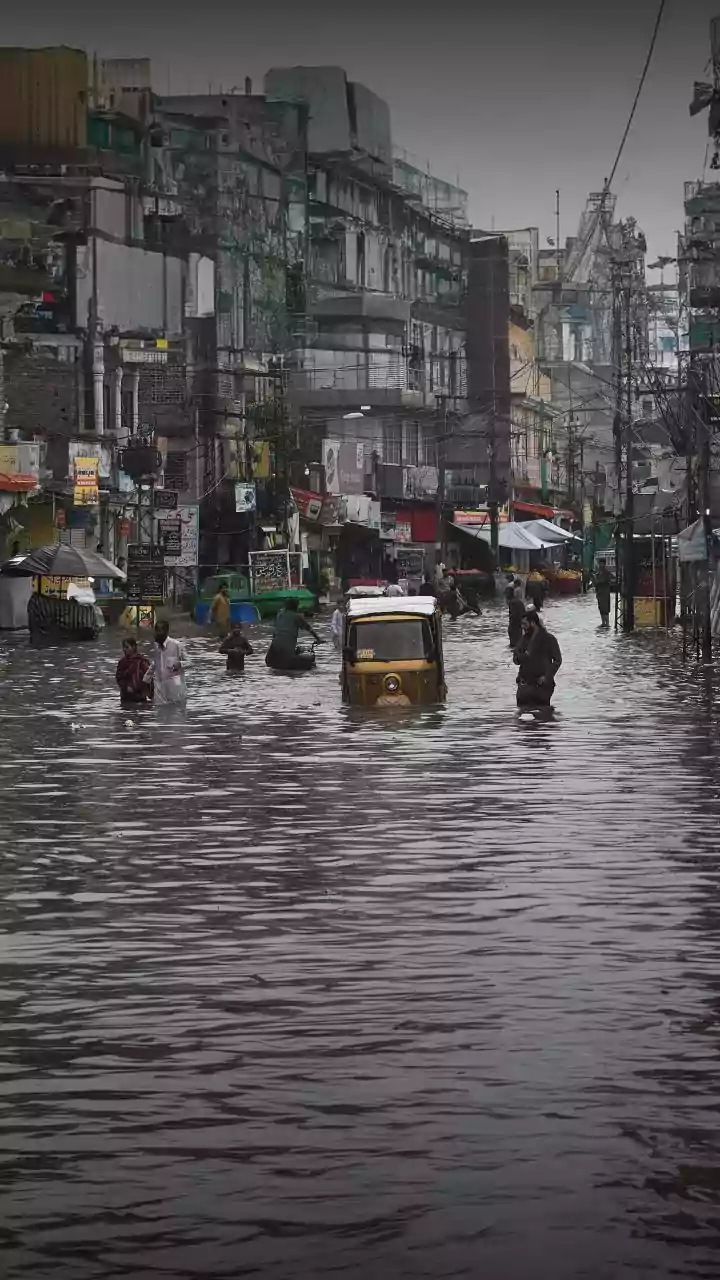
A road trip can be the perfect way to see the rain-washed countryside, but driving during heavy downpours is challenging. Roads become slippery, visibility drops, and waterlogged streets can damage your vehicle or cause you to lose control. It is often safer to hire a local driver who has experience navigating the terrain in these conditions. They are familiar with safe routes and potential hazards. If you do drive, reduce your speed significantly, keep a safe distance from other vehicles, and ensure your car's tyres, wipers, and headlights are in perfect working condition before you start.
7. Relying Entirely on Pre-Booked Plans
While booking flights and hotels in advance is wise, don't let a pre-paid booking force you into an unsafe decision. Continuing with a trek, a boat trip, or a drive to a remote location simply because it's already paid for is a common but dangerous mistake. Your safety is more valuable than any non-refundable deposit. Always check with your hotel, local guides, or transport operators about the current conditions before heading out. Many businesses are understanding about weather-related disruptions and may offer flexible alternatives.