
The Reign of the 'Shelfie'
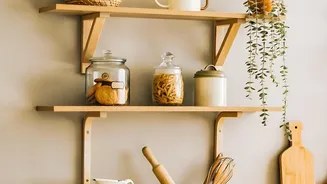
You know the look: towering bookcases where every object is perfectly placed, spines are color-coordinated, and a cascade of trailing plants weaves through quirky objects and stacks of coffee table books. This was the era of the 'shelfie,' a maximalist
approach to decor fueled by the visual appetites of Instagram and Pinterest. The goal was to project a personality through possessions, creating a rich, layered look that was dense with visual information. More was more. An empty spot on a shelf felt like a missed opportunity, a blank space waiting to be filled with another candle, ceramic, or vintage find. This approach encouraged us to see our shelves as display cases for everything we owned, leading to a look that was often beautiful in a photo but overwhelming in real life.
A Quiet Rebellion Against Clutter
Lately, a significant shift has begun. Designers and homeowners are stepping back, taking a collective deep breath, and questioning the need for such visual density. This reversal isn't just about a change in aesthetics; it's a reaction to the psychological weight of clutter. Studies have shown that cluttered environments can increase levels of cortisol, the stress hormone, and negatively impact our ability to focus and process information. The constant visual noise of an over-stuffed space can be mentally exhausting. The trend reversal is a move away from homes that look like showrooms and toward spaces that feel like sanctuaries—calm, personal, and restorative.
The Power of Negative Space
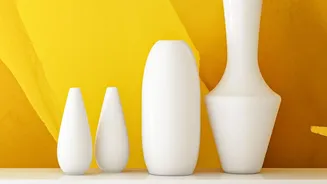
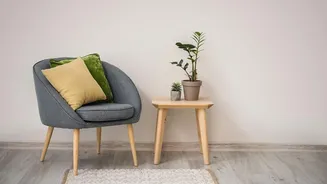
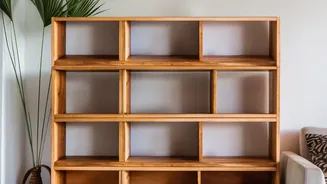
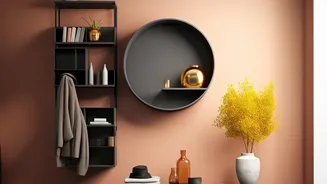
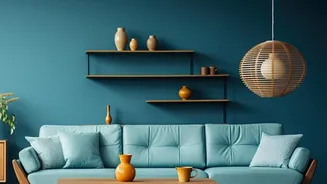
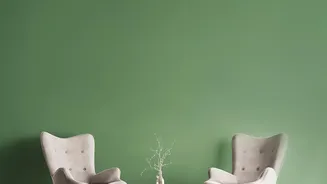
In art and design, the empty area around and between objects is called negative space. Far from being wasted, this 'breathing room' is one of the most powerful tools for creating a sense of balance and calm. When you leave space around an object, you give the eye a place to rest, allowing the brain to appreciate that item's form, texture, and meaning without distraction. Think of it like a pause in a conversation or a rest in a piece of music; it provides clarity and emphasis. Negative space prevents a room from feeling chaotic and allows your favorite pieces to truly shine instead of competing for attention. This approach can also make a room feel larger, more open, and more luxurious.
From Cluttercore to Curated Calm
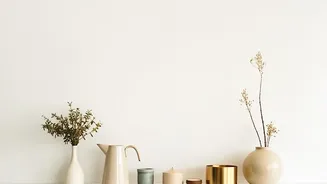
Embracing empty space isn't about stark, cold minimalism. It’s about being more intentional. The new wave of maximalism is about curating meaningful objects rather than simply accumulating more 'stuff'. It’s a move from 'cluttercore' to a more considered, curated calm. This philosophy invites you to edit your possessions, focusing on the things you genuinely love and that tell your story. Instead of displaying ten objects of medium importance, you might choose three that are deeply personal and give them the space they deserve. This makes your decor more impactful and your home a truer reflection of your personality, not just a collection of trends. The goal is a home that feels collected over time, not styled in a day.
How to Embrace the Space
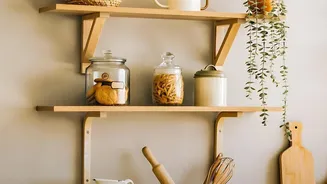
Making this change can feel intimidating, especially if you're used to filling every inch. A simple first step is to take everything off your shelves and start fresh. As you put items back, do so with intention. Try grouping items in odd numbers, like threes or fives, which tends to be more visually appealing. Vary the height and orientation of objects—mix vertical books with horizontal stacks, and place a tall vase next to a low bowl. Most importantly, don't be afraid to leave a shelf partially or even completely empty. This isn't a failure to style; it's a deliberate design choice that introduces balance and tranquility into your space.