



The Emerald Transformation
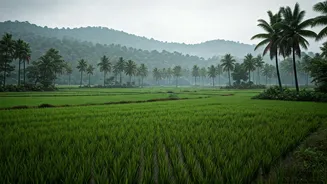
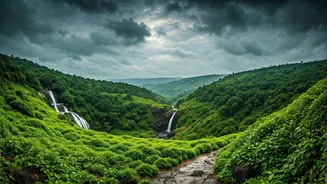
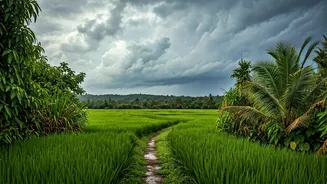
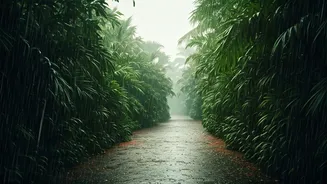
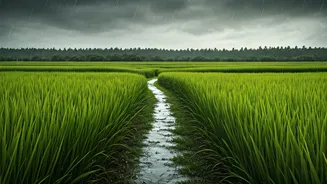
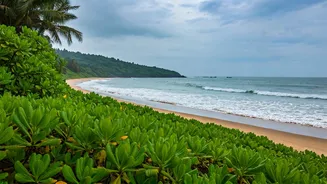
When the monsoon arrives, typically from June to September, Goa undergoes a magical metamorphosis. [8, 9] The once sun-parched landscapes are rejuvenated, erupting into countless shades of green. [9] Paddy fields become vibrant carpets, the Western Ghats
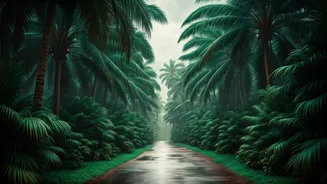
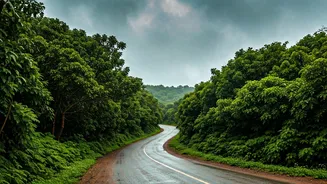
are cloaked in mist and lush foliage, and the air is filled with the fresh scent of rain on dry earth, a fragrance known as petrichor. [7, 10] This is a time when the state’s natural beauty is at its absolute peak, offering a visual feast for nature lovers and photographers. [9, 15] Driving through the countryside, with its winding lanes and rain-washed Portuguese-era houses, feels like stepping into a painting. [3, 24]
Adventures Beyond the Beach
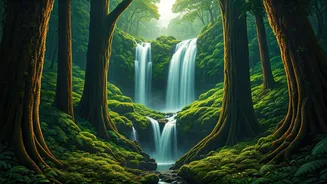
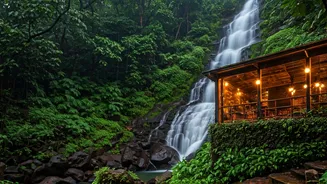
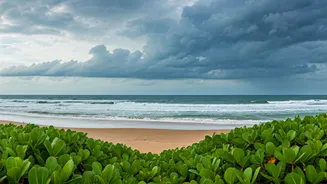
While the sea is too rough for swimming during the monsoon, this pushes you to explore Goa’s stunning hinterlands. [3, 17] The season brings the state's waterfalls to life. The mighty Dudhsagar Falls, meaning 'Sea of Milk', becomes a spectacular, thunderous cascade and a popular trekking destination. [5, 13, 21] Other waterfalls like Harvalem and those in Netravali Wildlife Sanctuary also become powerful and picturesque. [6, 12] Treks through wildlife sanctuaries, which remain open year-round, offer sightings of diverse flora and fauna in a refreshed, vibrant setting. [12, 16] For a less strenuous but equally immersive experience, a visit to a spice plantation is a must. The rain amplifies the aromas of cardamom, pepper, and vanilla, making for a delightful sensory tour. [10, 18, 24]
The Joy of Slow Travel and Fewer Crowds
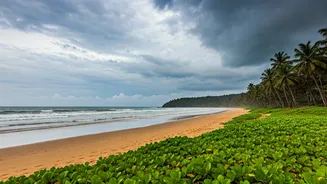
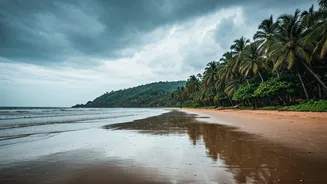
One of the greatest appeals of monsoon Goa is the peace and quiet. [7] The usual tourist throngs are absent, leaving the beaches, roads, and cafes blissfully uncrowded. [4, 15] This 'off-season' status means you can explore popular spots like Fontainhas, Goa's charming Latin Quarter, or the islands of Divar and Chorao without the usual hustle. [6, 15] It’s the perfect time for slow, mindful travel — spend a lazy afternoon in a cosy café listening to the rain, take long, uninterrupted drives, or simply relax and read a book with a view of the dramatic, cloud-filled sky. [4, 24] This slower pace allows for a more intimate connection with the local 'susegad' lifestyle, a Goan concept of contented relaxation. [3]
Practical Perks and Cultural Riches
Beyond the atmospheric charm, a monsoon trip to Goa is also friendlier on your wallet. With fewer tourists, prices for flights, accommodation, and rentals drop significantly, making it possible to indulge in luxury stays for less. [4, 7, 9] While many beach shacks close, the main tourist strips in areas like Baga and Calangute still have restaurants and some nightlife. [4, 14] Moreover, the monsoon season is rich with local culture. Festivals like Sao Joao in June, where locals celebrate by jumping into wells, offer a vibrant glimpse into Goan traditions that are often missed by peak-season travellers. [8, 9] It’s a time when Goa feels less like a tourist destination and more like a community.
A Few Things to Keep in Mind
While enchanting, a monsoon trip requires some practical preparation. The sea is dangerous, so swimming is a strict no-go. [8] Roads can be slippery, so extra caution is needed if you're renting a scooter or car. [8, 20] Pack light, quick-drying clothes, waterproof footwear, and a reliable raincoat or umbrella. [3] It’s also wise to carry insect repellent. [17] While Dudhsagar Falls is at its most majestic, direct road access via jeep safari may be closed due to safety concerns during heavy rains, making trekking the primary way to reach it. [5, 21]