






Pranayama, Gamified for the Digital Age
They appear as Reels or Shorts: a serene-looking person, often a yoga or wellness influencer, with a timer on screen. For five minutes, they guide viewers through a sequence of inhalations, exhalations, and breath holds. This is the 5-minute breathing
challenge, a bite-sized, gamified version of ancient pranayama techniques. Popular variations include 'box breathing' (inhale-hold-exhale-hold for equal counts), the 4-7-8 technique (inhale for 4, hold for 7, exhale for 8), and simplified forms of Nadi Shodhana (alternate nostril breathing). The format is simple, the time commitment is minimal, and the promised reward is huge: immediate stress relief, improved focus, and a sense of calm. The 'challenge' aspect encourages participation and sharing, turning a solitary wellness practice into a collective, digital experience.
Why We're Hooked on a 5-Minute Fix
The wild popularity of these challenges isn't surprising. In a world that glorifies hustle and constant connectivity, the idea of achieving zen in just 300 seconds is incredibly appealing. It fits perfectly into our fragmented schedules—a wellness break that can be done between meetings, during a commute, or before bed. The visual nature of platforms like Instagram and TikTok makes it easy to follow along without complex instructions. Moreover, the 'challenge' framing taps into our desire for achievement and community. Completing the challenge provides a small dopamine hit and a sense of accomplishment. When we see hundreds of others participating, it creates a feeling of shared purpose, transforming the ancient practice of pranayama into a modern, accessible trend for a new generation that may have found traditional yoga intimidating or time-consuming.
The Science Behind the Hype
This isn't just social media fluff; there's real science backing the benefits of controlled breathing. These techniques are essentially a direct line to our autonomic nervous system. When we are stressed, our sympathetic nervous system ('fight or flight') is activated. Slow, deep, controlled breathing, like the kind promoted in these challenges, stimulates the vagus nerve. This, in turn, activates the parasympathetic nervous system, also known as the 'rest and digest' system. The heart rate slows, blood pressure can decrease, and the body receives a clear signal that it's safe to relax. The practice has its roots in yogic texts thousands of years old, where pranayama is described as the control of life force (prana). Modern science is now simply validating this ancient wisdom, showing that a few minutes of intentional breathing can have measurable physiological effects, reducing cortisol levels and promoting a state of mental clarity.
The Hidden Risks of Holding Your Breath
While gentle breathing exercises are safe for most, the 'challenge' format can push people too far, too fast. The most significant risk lies in techniques involving prolonged breath-holding (kumbhaka). For individuals with high blood pressure, heart conditions, glaucoma, or even high levels of anxiety, holding the breath can be dangerous. It can temporarily spike blood pressure and create a feeling of panic, defeating the entire purpose. A one-size-fits-all video cannot account for an individual's health status or lung capacity. Experts caution that pranayama is a nuanced practice that is traditionally taught one-on-one, allowing a teacher to observe the student and modify the technique. Without proper guidance, forcing the breath or holding it to the point of discomfort can lead to dizziness, light-headedness, or hyperventilation.
A Smarter, Safer Way to Breathe
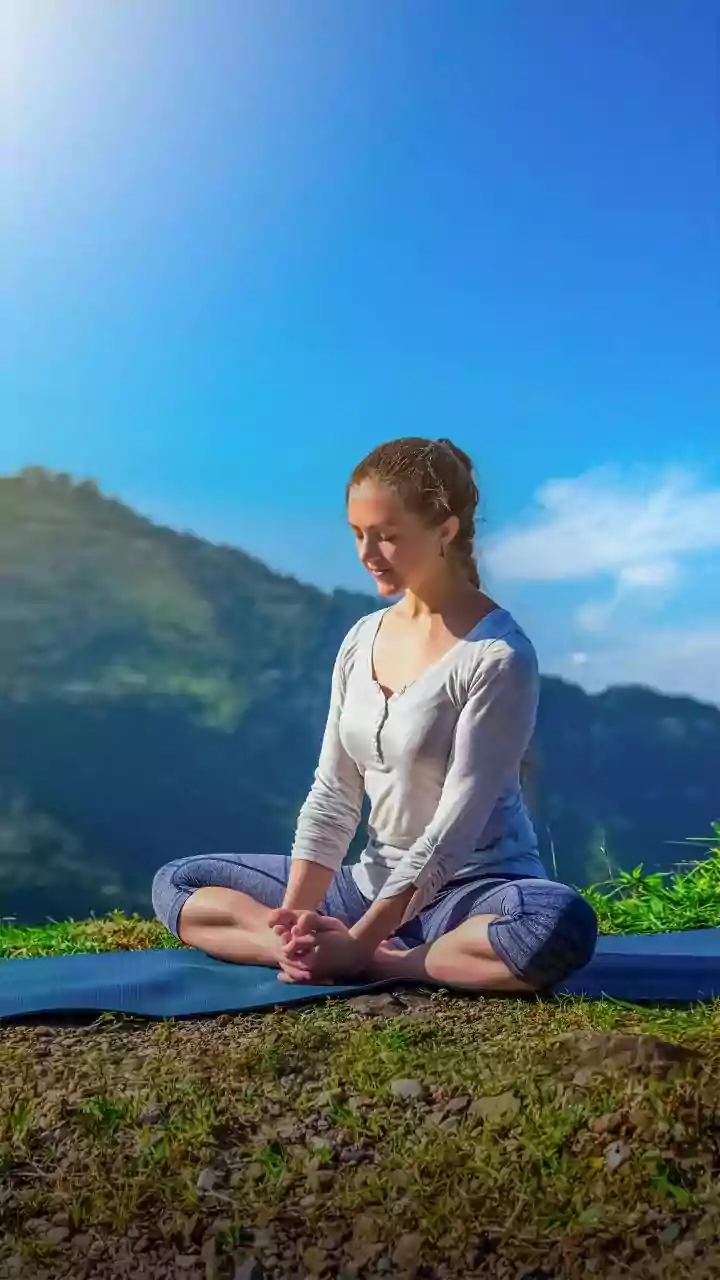
The viral trend is a fantastic gateway, but it shouldn’t be the final destination. To reap the benefits without the risks, the key is to listen to your body, not the timer. Forget the 'challenge' and focus on the 'practice'. Start with something simple and gentle, like Sama Vritti or 'equal breathing'. Sit comfortably, close your eyes, and simply breathe in for a count of four and out for a count of four, through your nose. There’s no breath-holding, no strain—just a smooth, rhythmic flow. The goal is not to achieve a perfect 5-minute streak but to build a consistent habit. If you feel any dizziness or discomfort, stop immediately. The most profound benefits of breathwork come from consistent, mindful practice over time, not from a one-off viral challenge. If you are interested in exploring more advanced techniques, seek guidance from a qualified and experienced yoga instructor.