







Why Your Body Needs a Monsoon Menu
The magic of the monsoon—the cool breeze, the earthy scent of petrichor, the rhythmic drumming of rain—has a profound effect on our environment and our bodies. According to Ayurveda, the ancient Indian system of wellness, the monsoon season, or ‘Varsha
Ritu’, is a time when the body's digestive fire, known as ‘agni’, naturally weakens. The high humidity and dampness in the atmosphere can make our metabolism sluggish, leading to indigestion, bloating, and a general feeling of heaviness. Modern science echoes this wisdom, noting that our bodies work harder to regulate temperature in humid weather, potentially diverting energy from other functions like digestion. Furthermore, the season brings a higher risk of water-borne infections, making a robust immune system your first line of defence.
Embracing the Power of Simplicity
This is where the advice for ‘simple’ food comes in. It’s not about blandness; it’s about intelligence. Simple, in this context, means easily digestible, freshly prepared, and light on the stomach. Think of warm, cooked meals that don't require your digestive system to work overtime. Heavy, oily, and complex foods, especially those that are fried or overly rich, can overwhelm a sluggish digestive system, leading to discomfort and toxin buildup. By contrast, a simple meal provides essential nutrients without burdening your body, allowing it to focus on fighting off seasonal bugs and maintaining overall balance. It’s about giving your system the support it needs when it's naturally more vulnerable.
The Champions of the Monsoon Plate
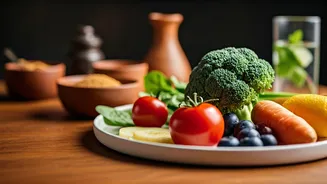
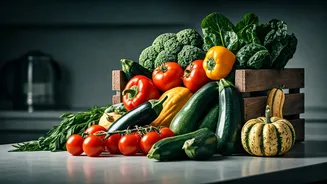
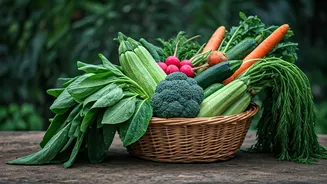
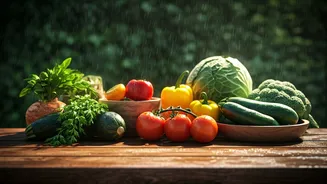
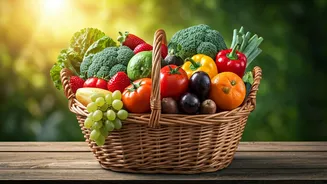
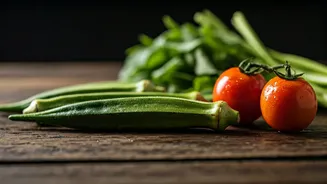
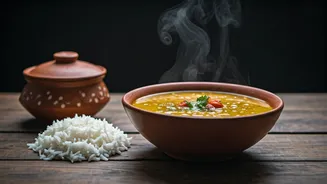
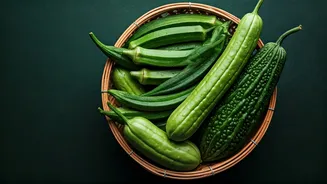
So, what does this simple monsoon diet look like? At its heart is the humble, yet magnificent, khichdi. A comforting one-pot meal of rice and lentils (like moong dal), it's light, nutritious, and incredibly easy to digest. Seasoned with a touch of turmeric for its anti-inflammatory properties and a dollop of ghee, it is the quintessential monsoon comfort food. Beyond khichdi, think of light vegetable preparations using seasonal gourds like lauki (bottle gourd), tori (ridge gourd), and parwal (pointed gourd). These vegetables have high water content and are easy on the stomach. Simple dals, warm soups (like tomato or mixed vegetable), and steamed dishes like idlis are also excellent choices. The key is to favour cooked over raw, and warm over cold.
Spices and Sips for Immunity
Indian kitchens are already treasure troves of immunity-boosting spices, and the monsoon is the perfect time to use them wisely. Ginger, with its anti-inflammatory and digestive properties, is a monsoon hero. Add it to your tea, dals, and vegetable dishes. Turmeric (haldi) is another powerhouse, known for its ability to fight infection. A pinch of black pepper helps the body absorb turmeric's benefits more effectively. Spices like ajwain (carom seeds) and hing (asafoetida) are brilliant for preventing gas and bloating. Alongside your meals, focus on warm fluids. A hot cup of herbal tea, a simple kadha made with tulsi, ginger, and pepper, or even just warm water with lemon can aid digestion, keep you hydrated, and help flush out toxins.
A Note on Cravings and Caution
The craving for a plate of hot pakoras or samosas with chai is almost a pavlovian response to rain. While indulging once in a while is part of the joy of the season, it’s wise to be mindful. Deep-fried, heavy snacks can be particularly hard on your digestion during this time. Similarly, it's best to be cautious with street food and pre-cut fruits or salads from outside vendors, as the risk of contamination is higher. Leafy green vegetables, while healthy, can harbour dirt and germs in their folds, so they should be washed and cooked thoroughly. The goal isn't deprivation, but balance. Enjoy your cravings, but perhaps make them at home where you can control the oil and hygiene, and make them an occasional treat rather than a daily habit.