






The Rise of the 'Dark Store'
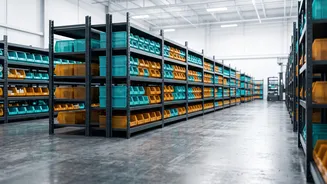
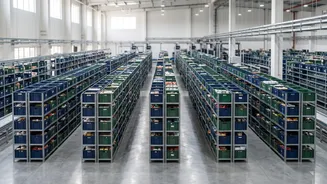
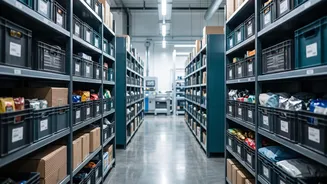
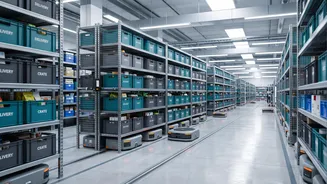
They have no signs, no walk-in customers, and no shopping trolleys. They are 'dark stores', and they are the engine of India's quick-commerce revolution. These mini-warehouses, typically ranging from 2,000 to 5,000 square feet, are essentially supermarkets
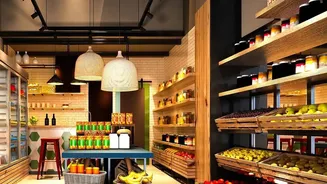
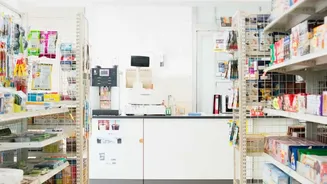
designed only for speed and efficiency, not for public browsing. Stocked with a few thousand of the most popular daily essentials, their layouts are meticulously planned to help workers pick and pack an order in minutes. Unlike traditional e-commerce, which uses large, centralized warehouses to serve an entire city, quick commerce relies on a dense network of these hyperlocal fulfilment centres. Each dark store serves a small radius of just two to three kilometres, making the 10-to-20-minute delivery promise physically possible. This model, perfected by platforms like Blinkit, Zepto, and Swiggy Instamart, has fundamentally changed consumer expectations for speed and convenience.
Why Bengaluru is the Epicentre
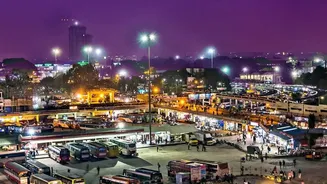
Bengaluru has quietly become India's dark store capital, with more of these facilities than any other metro. As of mid-2026, the city was home to over 600 dark stores, a significant portion of the national total. This intense concentration is no accident. The city presents a perfect storm of factors for quick-commerce success: a large, tech-savvy population comfortable with apps, high-density residential clusters, and a pre-existing gig economy infrastructure from food delivery services. Companies like Blinkit, Zepto, and Swiggy Instamart, along with newer entrants like Flipkart Minutes and Amazon Now, are locked in a fierce battle for market share, with pincode-level competition driving rapid expansion. Swiggy, with its headquarters in Bengaluru, leverages deep local knowledge, while competitors aggressively place new stores to overlap with existing delivery zones, creating a dense and often redundant network.
Inside the 10-Minute Machine
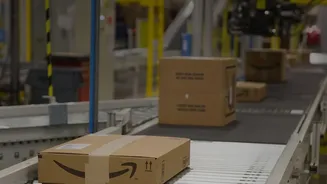
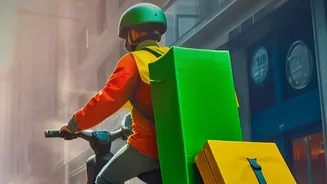
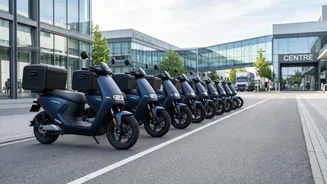
The journey from app to doorstep is a marvel of hyperlocal logistics. It begins with technology. AI-powered algorithms forecast demand for each specific neighbourhood, ensuring the local dark store is stocked with the right products at the right time. When you place an order, the system instantly assigns it to the nearest store. Inside, a 'picker' receives the order on a handheld device and navigates aisles optimized for speed, not for leisurely shopping. After the items are scanned and packed, the order is handed off to a delivery partner waiting nearby. Because the delivery radius is so small, the rider can navigate local streets and avoid major traffic, completing the final leg of the journey in minutes. This entire process—from forecasting and replenishment from a larger 'mother hub' to picking and last-mile delivery—is a high-stakes operation where every second counts.
The Unseen Impact on the City
The proliferation of dark stores is having a tangible, and complex, impact on Bengaluru's urban fabric. On one hand, it's creating a new real estate micro-economy. Underused godowns, old showrooms, and ground-floor spaces in back lanes are now prime real estate, with landlords often earning higher rents from quick-commerce companies than from traditional tenants. This has revitalized some forgotten commercial properties. However, the model also brings challenges. The constant buzz of delivery bikes contributes to noise and traffic congestion in residential areas, leading to complaints from local residents. There are also concerns about the pressure these services place on traditional kirana stores, which struggle to compete with the speed and deep discounts offered by large, well-funded platforms. Furthermore, the rapid, often unregulated, expansion has raised questions about zoning laws, fire safety, and the rights of gig economy workers who power this entire ecosystem.