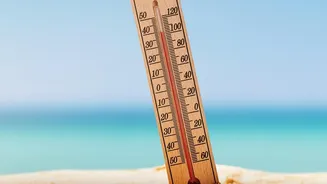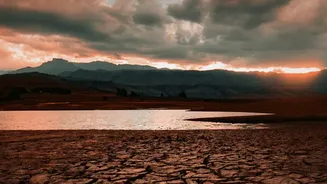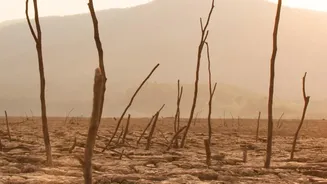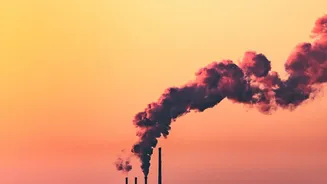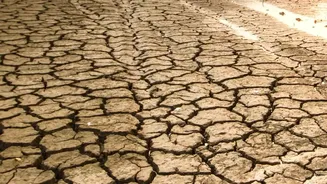



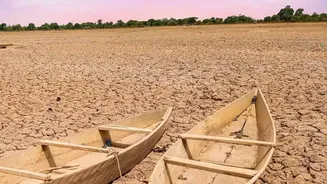
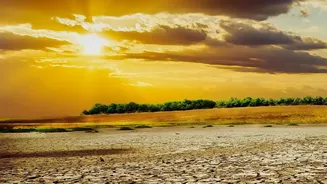

A stark new warning has emerged from the UN climate summit in Türkiye: global efforts to fight climate change have effectively stalled. This dangerous pause puts the world on a path to blow past the critical 1.5°C warming limit, threatening irreversible
consequences.
What the Alarming New Report Says
Several major reports, including the UN Environment Programme's (UNEP) Emissions Gap Report and an update from the Climate Action Tracker (CAT), were released coinciding with the COP31 climate summit in Antalya, Türkiye. The core message is deeply concerning: for the fifth consecutive year, collective climate action has stagnated. While some progress has been made in areas like renewable energy deployment, particularly in China and India, it is being cancelled out by rising energy demand and continued investment in fossil fuels. As a result, the world is on track for a temperature rise of 2.6°C to 2.7°C by 2100 if current policies continue, a catastrophic outcome far beyond the Paris Agreement's goals.
The 1.5°C Goal: A Fading Dream?
The 1.5°C target is not an arbitrary number. Scientists consider it a crucial guardrail to prevent the most devastating and irreversible impacts of climate change. According to the Intergovernmental Panel on Climate Change (IPCC), exceeding this threshold dramatically increases risks, including the loss of nearly all coral reefs, a higher likelihood of extreme heatwaves, reduced crop yields, and more severe flooding. The latest reports conclude that a temporary 'overshoot' of the 1.5°C limit is now essentially unavoidable due to years of insufficient action. The new focus is on limiting the magnitude and duration of this overshoot, a task that requires drastic and immediate emissions cuts.
Why is Global Action Stalling?
The slowdown in climate momentum is not due to a lack of solutions, but a combination of economic pressures, geopolitical instability, and a persistent lack of political will to implement difficult changes. Global crises have diverted financial resources and political attention away from climate action. The gap between what countries have promised in their Nationally Determined Contributions (NDCs) and the actions required to meet the 1.5°C goal remains massive. Current pledges, even if fully met, are dangerously insufficient. The UNEP report notes that emissions must fall by 45% by 2035 compared to 2025 levels, yet current plans are projected to deliver only a fraction of that reduction.
The High Stakes for India
For India, a failure to curb global warming has profound and immediate consequences. The country is already experiencing an increase in extreme weather events, from deadly heatwaves to devastating floods and cyclones. Exceeding the 1.5°C limit would intensify these threats, jeopardizing water security, disrupting agriculture that millions depend on, and increasing risks to public health and labour productivity from extreme heat. Projections indicate that unchecked warming could lead to significant GDP reductions for nations like India. Furthermore, sea-level rise poses an existential threat to its long coastline and major cities like Mumbai and Kolkata.
Is There Still a Path Forward?
While the reports paint a grim picture, they do not preach defeatism. Instead, they outline an urgent path forward. Key levers for action include a rapid transition away from all fossil fuels, aggressively cutting methane emissions, tripling renewable energy capacity, and ending deforestation. The reports stress that the technologies and policies to achieve this exist. For example, clean electricity met all of the world's new power demand in 2025. However, turning the tide requires an unprecedented acceleration of action and a massive increase in climate finance to support developing nations in their transition. As UN Secretary-General António Guterres stated at the summit, science is not telling us to surrender, but to fight harder.