




What is a 'Clean Label' Anyway?
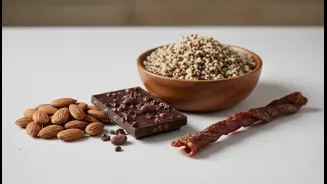
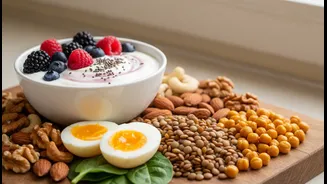
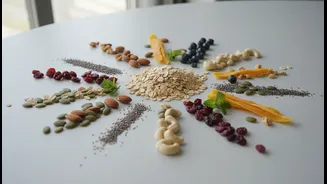
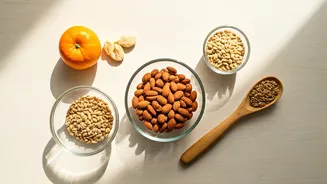
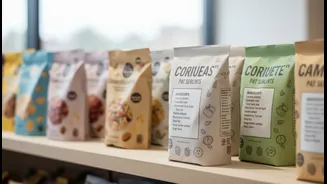
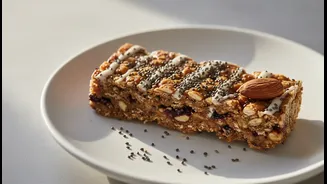
You are already part of the movement if you have ever flipped over a package to scan the ingredients. At its heart, a 'clean label' is about simplicity and recognition.. It means a product is made with a short list of ingredients that are easy to pronounce
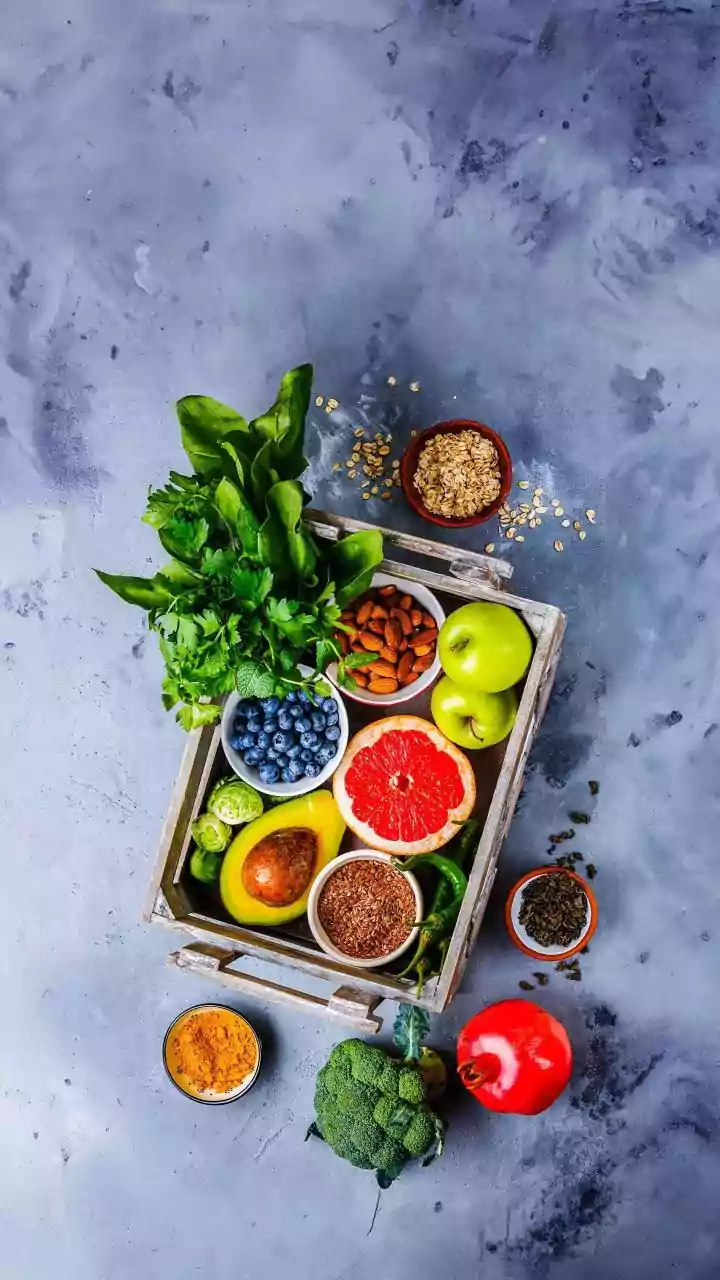
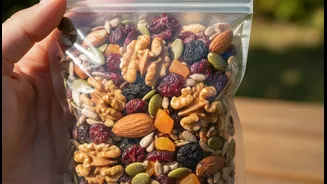
and understand—think whole grains, natural sweeteners, and real spices, not a catalogue of chemical compounds, artificial colours, or preservatives.. The consumer asking, "What kind of oil is this made in?" or "Is this preservative necessary?" is the driving force compelling brands to rethink their formulas from the ground up.. This shift represents a move away from ultra-processed foods towards options that feel closer to what one might find in their own kitchen..
The New Conscious Snacker
This trend is being championed by a new wave of Indian consumers who are more informed and intentional than ever before.. Fueled by increased health awareness, especially after the pandemic, and armed with information from the internet, today's snackers are scrutinizing what they eat.. A recent report highlighted this change, finding that 62% of consumers consider ingredient transparency the most important factor when choosing a snack brand—placing it far ahead of celebrity endorsements.. This consumer is no longer just looking for a quick bite; they are seeking functionality, nutrition, and trust in every purchase..
From Niche Concern to Mainstream Demand
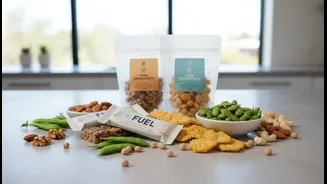
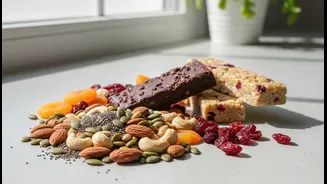
What was once a niche concern for fitness enthusiasts is now a mainstream expectation. According to the Farmley Healthy Snacking Report 2026, a staggering 86% of Indian consumers now see protein as an important factor when choosing a snack.. Furthermore, 61% prefer snacks sweetened with natural alternatives like dates or jaggery over refined sugar.. This has created a massive opportunity, with the healthy snacking market in India projected to grow at nearly 10% annually, outpacing the global average.. Consumers are also willing to put their money where their mouth is, with nearly a third ready to pay a premium for protein-rich products and 60% of parents willing to spend more on healthier options for their children..
How Brands Are Responding
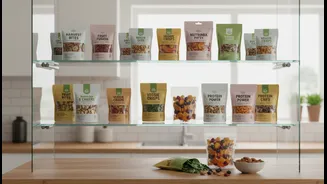
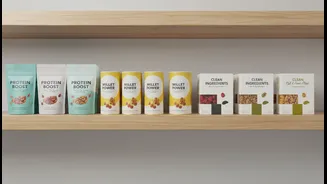
The market is responding with vigor. Legacy FMCG giants and agile direct-to-consumer (D2C) startups are all entering the fray.. Large companies are reformulating old favourites and launching new health-focused lines, such as baked snacks and millet-based products.. Simultaneously, a boom in D2C brands like Farmley, Yoga Bar, and The Whole Truth Foods is reshaping the landscape.. These newer players often build their entire identity around transparency, offering products that are free from palm oil, artificial additives, and refined sugar, and clearly communicating their sourcing and production methods.. This competition is forcing the entire industry to elevate its standards, making healthier, cleaner options more accessible than ever..
Beyond the Buzzword: Challenges Ahead
While the trend is clear, the path forward isn't without its complexities. The term "clean label" itself is not officially regulated, which can lead to confusing or misleading marketing. For consumers, the challenge is to look beyond the marketing and understand what a label truly means for their health.. For brands, the task is to deliver on the clean label promise without compromising the taste and texture that consumers still crave.. Furthermore, the higher cost associated with quality ingredients means that price sensitivity remains a barrier, particularly outside major urban centres.. As the market matures, the brands that succeed will be those that can authentically balance transparency, health, taste, and accessibility.