








The Annual Rush Is Here
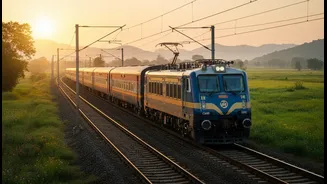
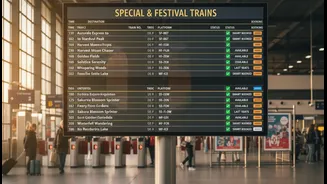
Indian Railways has once again announced hundreds of special train services to manage the immense travel demand during the upcoming festival season. With the Jagannath Rath Yatra in Puri starting on July 16 and Onam celebrations in Kerala next month,
the railway network is bracing for a massive influx of passengers. Railway Minister Ashwini Vaishnaw confirmed that over 300 special trains will be operated for the Rath Yatra, in addition to the 800 regular services. Similarly, more than 100 special trains are planned for Onam to help people travel to their hometowns. While this is welcome news, it also signals the start of the intense, often stressful, ticket booking period. The key is to approach it with a clear plan rather than joining the digital stampede.
Preparation Is Half the Battle Won
The fastest fingers don't always win; the best-prepared do. Before the booking window even opens, your first step should be on the official IRCTC website or the Rail Connect app. Use the 'Master List' feature to pre-fill and save the details of all passengers, including names, ages, and ID proofs. This saves crucial seconds during the high-traffic booking process. When it's time to book, you can simply select the passengers from this list instead of typing everything out. Another vital preparation step is ensuring your payment method is ready. For the quickest transactions, use UPI or have funds pre-loaded into your IRCTC e-wallet. A failed payment after you've managed to find a seat is a common and entirely avoidable frustration.
Know Your Options: Beyond a Direct Ticket
Don't fixate on just one train. Broaden your search to include trains to and from nearby stations, as these might have better availability. Being flexible with your travel date by a day or two can also make a significant difference. One of the most underutilised tools is the VIKALP scheme, or Alternate Train Accommodation Scheme. If you book a waitlisted ticket, opting for VIKALP allows Indian Railways to automatically place you in any other train on the same route with available seats, at no extra cost. It doesn’t guarantee a berth, but it significantly increases your chances by widening the pool of potential trains without any extra effort from your side. You can select up to seven alternate trains when you opt for this scheme.
The Tatkal Tightrope Walk
For last-minute plans, Tatkal is the go-to, but it requires precision. Bookings open one day in advance of the journey's start from the originating station—at 10 AM for AC classes and 11 AM for non-AC classes. The demand is immense, and seats vanish in minutes. To succeed, log into your IRCTC account 5-10 minutes before the window opens. Have your Master List and payment details ready. As soon as the clock strikes, select your train, add passengers from the list, fill the captcha, and proceed to payment immediately. Some users even suggest having multiple logged-in sessions on different browsers or devices, but the core to success remains speed derived from preparation. Avoid any mistakes in passenger details, as there's no time for corrections.
Common Mistakes to Avoid
In the heat of the moment, it's easy to make costly errors. A primary mistake is booking through unauthorised agents or third-party websites, which carries a risk of fraud and invalid tickets. Always use the official IRCTC website or app. Another frequent error is entering incorrect passenger details or selecting the wrong boarding station; these can invalidate your ticket. Panicking after a payment failure and trying again multiple times can sometimes lock your account or lead to multiple deductions. If a transaction fails but money is debited, wait and check the 'Failed Transactions' history on IRCTC; the refund is usually processed automatically. Finally, don't give up on a waitlisted ticket too early. PNR status can change dramatically in the last 72 hours before departure as cancellations occur.