





A small bedroom can feel like a puzzle with too many pieces. But transforming a cramped space into a functional, restful sanctuary is easier than you think. Forget major renovations; a few smart layout changes can make all the difference.
1. Go Vertical with Your Storage
When floor space
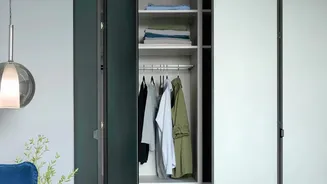
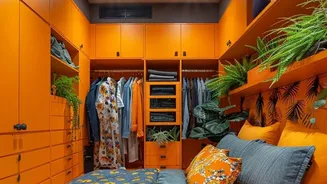
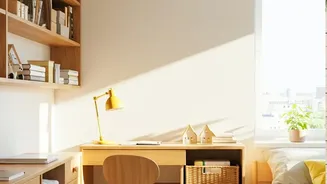
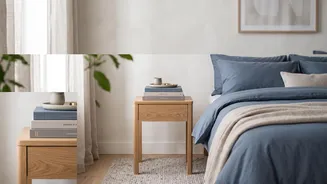
is limited, the only way to go is up. Your walls hold immense, often untapped, potential for storage that frees up the floor and makes the room feel more open. Instead of wide, low furniture, opt for tall, narrow bookshelves or floor-to-ceiling wardrobes. These pieces draw the eye upward, creating an illusion of height and spaciousness. Floating shelves are another excellent tool in your arsenal. They can be installed above a desk, beside the bed as a minimalist nightstand, or high on a wall to hold items you don't need daily, like extra blankets or books. This approach keeps essentials within reach without occupying a single inch of precious floor space, a crucial strategy for rooms in compact Indian apartments.
2. Embrace Multi-functional Furniture
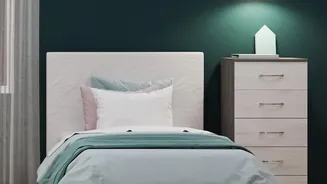
In a small room, every piece of furniture should work hard. Multi-functional furniture is a game-changer, combining two or more functions into a single footprint. A bed with built-in storage is perhaps the most powerful example. Hydraulic lift-up beds offer cavernous space for seasonal clothing and luggage, while beds with drawers provide easy access for everyday items. Beyond the bed, consider an ottoman at the foot of your bed that serves as both seating and a storage chest. A slim desk can easily double as a vanity or dressing table. In many modern Indian homes where space is a premium, choosing furniture that serves multiple purposes is not just a trend but a necessity for practical living.
3. Rethink Your Bed's Position
The bed is the largest item in the room, so its placement dictates the entire layout. While interior design often suggests centring the bed on a wall, in a very small room, pushing it against a wall or into a corner can be a more practical choice. This move instantly frees up a significant amount of central floor space, making it easier to walk around and access other furniture like wardrobes. If your room is narrow, placing the bed against the shortest wall can make the space feel longer. The goal is to create clear, unobstructed pathways. A room that is easy to move through automatically feels less cramped and more organised.
4. Use Mirrors and Light to Create Depth
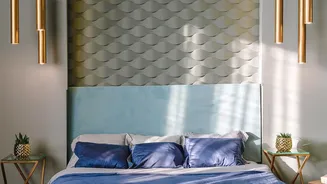
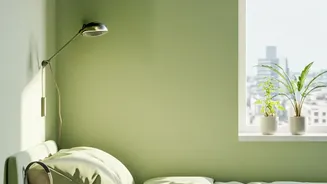
You can't physically enlarge your room, but you can certainly make it feel bigger. Strategic use of mirrors is a classic trick for a reason: it works. A large mirror placed on a wall opposite a window will bounce natural light around the room, making it brighter and creating a powerful illusion of depth. Mirrored wardrobe doors are another fantastic option, as they serve a dual purpose without taking up extra wall space. Complement this with smart lighting. Instead of bulky floor or table lamps, opt for wall-mounted sconces or pendant lights. This frees up your bedside table and floor, contributing to a cleaner, more open aesthetic.
5. Declutter and Keep the Floor Clear
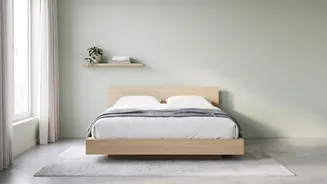
Ultimately, no amount of clever rearranging can overcome clutter. Before you move a single piece of furniture, the first step is always to declutter. A well-organised bedroom always feels larger. Once you've streamlined your belongings, focus on keeping the floor as visible as possible. Furniture with legs—like a bed on a raised frame or a dresser on tall legs—creates a sense of openness because the eye can see more of the floor. Avoid bulky, solid pieces that sit directly on the ground, as they can make a room feel heavy and cramped. Regular decluttering and choosing 'leggier' furniture are simple habits that have a huge impact on how spacious and practical your small bedroom feels.