





The Taste of Memory Lane
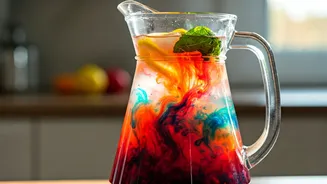
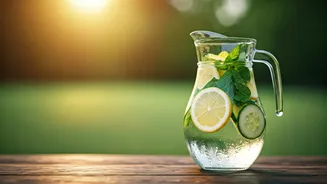
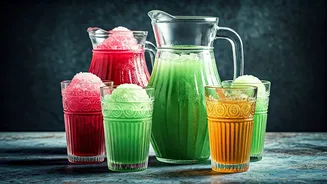
For generations of Indians, the sound of summer wasn't just the whirl of a ceiling fan; it was the clink of a spoon stirring a jug of water, slowly turning it a vibrant orange or a deep ruby red. Brands like Rasna, with its iconic “I love you, Rasna”
campaign, became synonymous with childhood birthday parties. Rooh Afza, the century-old ‘elixir,’ was the default remedy for a sweltering afternoon. Kissan squashes sat patiently in kitchen cabinets, waiting to transform plain water into a fruity treat. These weren't just beverages; they were rituals. They represented a simple, unhurried joy—a shared experience that connected families and friends. The nostalgia is potent, a powerful flavour that instantly transports us back to a simpler time. It’s this emotional connection that has given these brands a permanent place in the Indian cultural pantry.
The Economics of Comfort
While nostalgia opens the door, it’s the economics that invites you to stay. In a market flooded with expensive international sodas, artisanal cold brews, and premium packaged juices, the value proposition of these heritage drinks is more compelling than ever. A single bottle of Rooh Afza or a small packet of Rasna concentrate can yield dozens of glasses, bringing the per-serving cost down to a few rupees. This isn’t just a minor advantage; it's a game-changer for millions of households. In an economy where every rupee counts, the ability to serve a refreshing, flavourful drink to the entire family without breaking the bank is a powerful driver of loyalty. This affordability makes them democratic, accessible to a wide cross-section of society that is often priced out of the premium beverage market. It’s a practical choice that feels like a treat.
A Pivot to 'Better-for-You'
As urban consumers become more health-conscious, there's a growing scepticism towards carbonated drinks loaded with sugar and artificial ingredients. While no one would mistake a sugary squash for a health tonic, heritage drinks have successfully positioned themselves as a 'better-than' alternative. Rooh Afza, for example, is a Unani formulation containing herbs, fruits, and vegetables. This allows its parent company, Hamdard, to market it with a wellness halo that a cola brand could only dream of. Similarly, the act of mixing a drink at home gives consumers a sense of control. You decide how much concentrate to use and how much sugar to add, a customisation that pre-packaged drinks don't offer. This perception of being more 'natural' or at least less processed, combined with the absence of caffeine and fizz, makes them an acceptable choice for children and a guilt-free indulgence for adults.
New Marketing, Old Magic
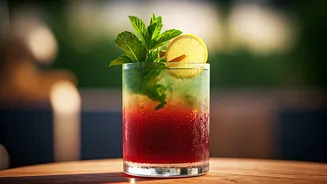
These legacy brands are not just passively riding a wave of nostalgia; they are actively shaping their own destiny. They have embraced modern marketing without losing their vintage charm. Rooh Afza, for instance, has transcended its role as a simple summer cooler. It’s now a trendy ingredient in cocktails, mocktails, and desserts in high-end cafes and bars, from Rooh Afza Mojitos to cheesecakes. Social media influencers feature it in creative recipes, introducing the brand to a new, younger audience. Rasna, too, has updated its product line with new formats and flavours, constantly reminding consumers of its unbeatable value proposition through targeted advertising. These companies understand that legacy is a foundation, not a hammock. They are smartly innovating their messaging and distribution to ensure they remain relevant in a crowded, fast-moving market.