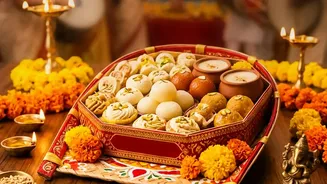




A Sweet Symbol of Celebration
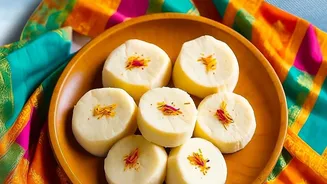
At its heart, Sandesh is a masterpiece of minimalism. Made primarily from fresh chhena (a form of cottage cheese) and sugar or jaggery, its origins are deeply woven into Bengali culture. While sweets have always been part of festivities, the modern chhena-based
Sandesh came into prominence around the 19th century, influenced by new techniques. Unlike heavier, syrup-soaked sweets, Sandesh is celebrated for its delicate texture and subtle sweetness, making it a sophisticated and beloved choice for all occasions. It's not just a food item; it's a cultural icon, an edible embodiment of Bengali artistry and sentiment. During Durga Puja, its presence is non-negotiable, marking it as a quintessential element of the celebration.
The Artistry in 'Paak'
The diversity of Sandesh lies in its 'paak,' or cooking style, which determines its texture. The two primary categories are Norom Paak (soft-cooked) and Kora Paak (hard-cooked). Norom Paak involves cooking the chhena for a shorter time, preserving its moisture to create a soft, melt-in-the-mouth consistency. This style is often considered more decadent and includes famous varieties like the Jolbhora. In contrast, Kora Paak sweets are cooked longer, resulting in a firmer, drier texture that gives them a longer shelf life. This makes Kora Paak Sandesh a practical and popular choice for offerings and for stocking up at home to serve the stream of guests who visit during the festive period. The choice between the two is a matter of passionate local preference, much like a friendly sporting rivalry.
From Classic to Creative Delights
Within these cooking styles exists a universe of flavours and shapes. The legendary Jolbhora Sandesh, which recently earned a GI tag for its Chandannagar origin, is a prime example of Bengali ingenuity. Shaped like an ice apple, it hides a liquid centre of nolen gur (date palm jaggery) or rose-flavoured syrup that surprises the unsuspecting eater. Legend has it that it was invented in 1818 to play a gentle prank on a new son-in-law. Other beloved variants include the Aam Sandesh, infused with mango pulp, and the classic Gurer Sandesh, made with flavourful date palm jaggery. Modern confectioners continue to innovate, introducing flavours like chocolate, saffron, and pistachio, ensuring this traditional sweet remains exciting for new generations.
An Offering of Devotion and Community
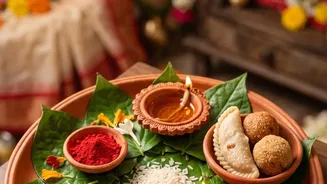
During Durga Puja, Sandesh transcends its role as a mere dessert. It becomes an integral part of the rituals as 'bhog'—a food offering made to Goddess Durga. After being offered to the deity, it is distributed among devotees as 'prasad,' a blessed gift. This act elevates the sweet from a simple confection to a sacred item imbued with divine blessings. The sharing of prasad reinforces a sense of community and shared faith among celebrants. While many sweets are offered, Sandesh holds a special place, its purity and simplicity making it a fitting offering for the goddess.
The Taste of 'Bijoya' Greetings
The significance of Sandesh peaks during Bijoya Dashami, the final day of the Puja which marks the victory of good over evil. Following the immersion of the Durga idol, a period of social visits begins, lasting until Diwali. Friends and family visit each other's homes to exchange 'Shubho Bijoya' (auspicious victory) greetings. An essential custom during these visits is 'mishti-mukh'—offering something sweet to guests. Serving Sandesh is a gesture of warmth and goodwill, meant to ensure sweetness in relationships for the year ahead. A guest leaving without being offered a sweet is considered inauspicious, making a well-stocked Sandesh box a cornerstone of festive hospitality.