





So, What Exactly Are Ceramides?
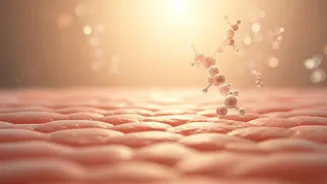
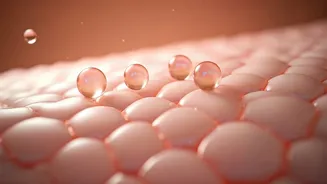
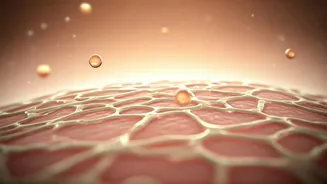
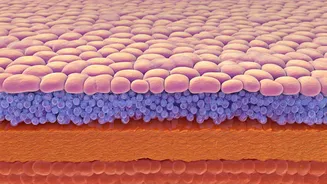
Think of your skin as a brick wall. The skin cells are the bricks, and the lipids (fats) that hold them together are the mortar. Ceramides are a major component of that mortar, making up about 50% of the skin's outermost layer, the stratum corneum. These
waxy lipid molecules are naturally produced by our skin and are absolutely essential for forming a protective barrier. This barrier does two critical jobs: it keeps moisture locked inside your skin, preventing dehydration, and it keeps harmful environmental aggressors like pollution, bacteria, and irritants out. Without enough ceramides, the 'mortar' becomes weak, leading to cracks in your skin's defences, resulting in dryness, irritation, and sensitivity.
The Crucial Role of the Skin Barrier
Dermatologists focus so much on ceramides because they understand that a healthy skin barrier is the foundation of all good skin. When the barrier is compromised—due to age, harsh weather, sun exposure, or over-exfoliating—your skin can’t function properly. This condition, often called a 'damaged barrier,' is the root cause of many common skin concerns. You might experience increased redness, flakiness, itching, tightness, or a sudden sensitivity to products you previously tolerated. By replenishing ceramides, you are directly repairing this protective wall, which allows the skin to heal itself, retain hydration, and function at its best. It’s a proactive approach to skin health, rather than a reactive one.
Benefit 1: Intense Hydration and Moisture Retention
One of the most celebrated benefits of ceramides is their ability to prevent transepidermal water loss (TEWL). This is the scientific term for water evaporating from the skin's surface. By reinforcing the skin barrier, ceramides create a waterproof seal that locks in moisture. This is why creams and lotions rich in ceramides feel so nourishing and provide long-lasting relief from dryness. Unlike some ingredients that just add a temporary layer of moisture on top, ceramides work to improve your skin's own ability to stay hydrated. This makes them a non-negotiable for anyone with dry, dehydrated, or flaky skin.
Benefit 2: Soothing for Sensitive and Compromised Skin
If you have sensitive skin or conditions like eczema or rosacea, ceramides can be a game-changer. These conditions are often characterised by a defective skin barrier with lower-than-normal ceramide levels. Applying ceramides topically helps to fill in the gaps in the barrier, reducing irritation and inflammation. Because they are 'skin-identical' (meaning your body already produces them), they are extremely well-tolerated and unlikely to cause reactions. Dermatologists frequently recommend ceramide-based moisturisers to patients undergoing harsh treatments (like retinoids or chemical peels) to help mitigate side effects like peeling and redness, keeping the skin calm and comfortable.
Benefit 3: A Shield Against Environmental Damage
Our skin is constantly under assault from the environment. UV radiation, pollution, and harsh climate conditions can all generate free radicals that accelerate ageing and damage skin cells. A strong, ceramide-rich skin barrier acts as your first line of defence. It helps to physically block pollutants and irritants from penetrating the deeper layers of your skin. By keeping your barrier intact, you’re not just preventing dryness and irritation; you’re also helping to protect your skin from the long-term damage that leads to fine lines, wrinkles, and loss of firmness. Think of it as reinforcing your skin's natural armour.
How to Add Ceramides to Your Routine
Incorporating ceramides is simple, as they are found in a wide range of products. Look for them in cleansers, serums, and especially moisturisers. On an ingredients list, they might be listed as 'Ceramide NP,' 'Ceramide AP,' 'Ceramide EOP,' or simply 'ceramides.' For best results, look for products that also contain other barrier-supporting ingredients like cholesterol and fatty acids, as these work in synergy with ceramides. They also pair wonderfully with humectants like hyaluronic acid and glycerin, which draw moisture into the skin, and occlusives like petrolatum, which seal it all in. Applying a ceramide moisturiser to slightly damp skin is an excellent way to maximise hydration and lock in all the benefits.