






The Call of the Wild
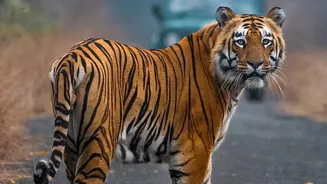
Wildlife tourism in India is undergoing a significant evolution. While the thrill of a jeep safari remains a major draw, the sector is expanding to offer deeper, more immersive connections with nature. The market, valued at over USD 13 billion in 2025,
is projected to grow steadily as travellers seek more than just a glimpse of a tiger. The trend is shifting from simple sightings to naturalist-led journeys that decode the subtle signals of the forest, from bird calls to animal behaviour. This move towards experiential wildlife tourism is seeing visitors extend their stays in national parks, opting for multi-day itineraries that focus on birding, photography, and conservation. This growth is visible on the ground, with destinations like Assam's Kaziranga National Park reporting a record footfall of over 458,000 visitors in the 2025-26 season, an increase of 8.5%. This surge benefits local communities and signals a growing appreciation for India's incredible biodiversity.
The Heart of the Village
A quiet revolution is taking place in India’s vast rural heartland. Rural and community-based tourism is on the rise, driven by a traveller desire to connect with the country's cultural roots. This form of travel focuses on showcasing rural life, art, and heritage in authentic settings. Instead of just observing from a distance, visitors are participating in the daily lives of their hosts—joining cooking classes in village homes, learning ancient crafts from local artisans, and partaking in farming activities. A joint report from ASSOCHAM and CBRE highlights that rural tourism is becoming a key segment, often utilising existing homestays rather than new construction, which empowers local economies with less capital investment. Government initiatives are also bolstering this trend, promoting village stays in states like Uttarakhand and Himachal Pradesh and developing thematic circuits that connect lesser-known destinations. This shift doesn’t just offer a unique experience; it fosters cultural preservation and provides a direct income stream to village communities.
New Horizons on Water
India's 7,500-kilometre coastline and vast river systems are becoming the new frontier for travel. Both ocean and river cruise tourism are experiencing a surge in interest, moving from a niche luxury to a more accessible holiday option. The domestic cruise market is projected to grow at an impressive annual rate of 20-25% between 2026 and 2031. This growth is fuelled by operators expanding their fleets and introducing new itineraries that cater to a broader audience. River cruising, in particular, is gaining significant momentum. The number of river cruise vessels has expanded dramatically, and the government plans to establish 51 new river cruise circuits by 2047 across waterways like the Ganga and Brahmaputra. These journeys offer a unique perspective on the country, connecting cultural and heritage sites along scenic water routes and driving development in hospitality and retail around port terminals.
The Journey Within
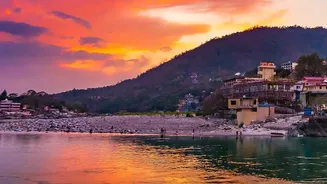
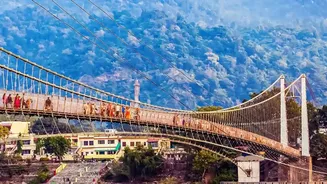
In an increasingly fast-paced world, the search for balance has turned wellness into a dominant travel driver. India, with its ancient traditions of Ayurveda, yoga, and meditation, is perfectly positioned at the centre of this global trend. The wellness tourism market in India is booming, expected to grow from around USD 30.95 billion in 2026 to over USD 43 billion by 2031. Travellers are dedicating entire trips to rejuvenation, seeking out yoga retreats in Rishikesh, Ayurvedic therapies in Kerala, and mindfulness centres in Dharamshala. This is more than just a spa day; it’s about holistic well-being, with 'digital detox' and 'rest tourism' becoming popular concepts. This sector's growth is supported by government initiatives like the special 'e-Ayush visa' for those seeking traditional treatments, making it easier for international visitors to access India's deep well of healing knowledge.