
Prioritise Drainage Immediately
The single biggest threat to potted plants after heavy rain is waterlogging. When soil stays saturated, it deprives roots of oxygen, leading to root rot—a condition from which many plants cannot recover. Your first task is to help your pots drain. Gently
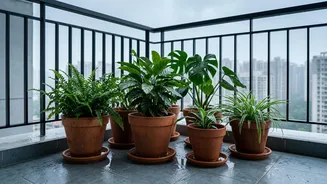
tilt larger containers to let excess water run out. For smaller pots, ensure they are not sitting in water-filled saucers; empty these immediately. Elevating your pots on bricks or simple 'pot feet' is a great preventative measure, as it creates an air gap that allows water to escape freely. Make sure the drainage holes at the bottom of your pots are not clogged with compacted soil or roots.
Gently Aerate the Soil
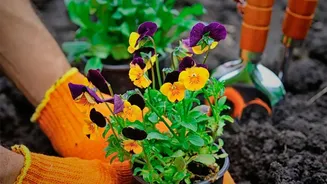
Heavy rainfall can compact the top layer of soil, forming a crust that prevents air from reaching the roots. Once the soil is no longer dripping wet, take a small hand fork or even a stick and gently loosen the top few centimetres of soil. This process, known as aeration, breaks up the compacted surface, improves drainage, and helps the roots breathe. Be careful not to go too deep or be too aggressive, as you don't want to damage the delicate root system. This simple action can make a huge difference in how quickly your plants recover from a soaking.
Prune and Clean Up
Rain and wind can easily damage delicate stems and leaves. Inspect your plants for any broken branches, yellowing leaves, or spent flowers. Pruning these damaged parts helps the plant redirect its energy toward new, healthy growth. Removing soggy and decaying foliage from the plant and the soil surface is also crucial for hygiene. This debris can become a breeding ground for fungal diseases and pests that thrive in damp conditions. Use clean, sharp scissors or pruning shears to make clean cuts, which helps prevent the introduction of disease.
Watch for Pests and Diseases
The humid, damp environment after a rain shower is an open invitation for unwelcome guests. Slugs and snails are particularly active in wet weather. You should also be on the lookout for signs of fungal diseases like powdery mildew or black spot, which appear as white, grey, or black patches on leaves. Good air circulation is key to prevention, so try to space your pots out to allow air to flow between them. If you spot any issues, act quickly. Remove affected leaves and consider using a natural remedy like a neem oil spray, which can help manage both pests and fungal problems.
Adjust Your Watering and Feeding Schedule
It may seem obvious, but resist the urge to water your plants on a fixed schedule. After a heavy downpour, the soil will likely remain moist for several days. Always check the soil by inserting your finger a few inches deep; if it still feels damp, do not water. Overwatering is one of the most common mistakes, especially during the rainy season. Additionally, hold off on fertilising. Heavy rain can wash nutrients from the soil, but fertilising a waterlogged plant can burn its stressed roots. Wait until the soil has had a chance to dry out partially before you consider feeding your plants again.